




Blog
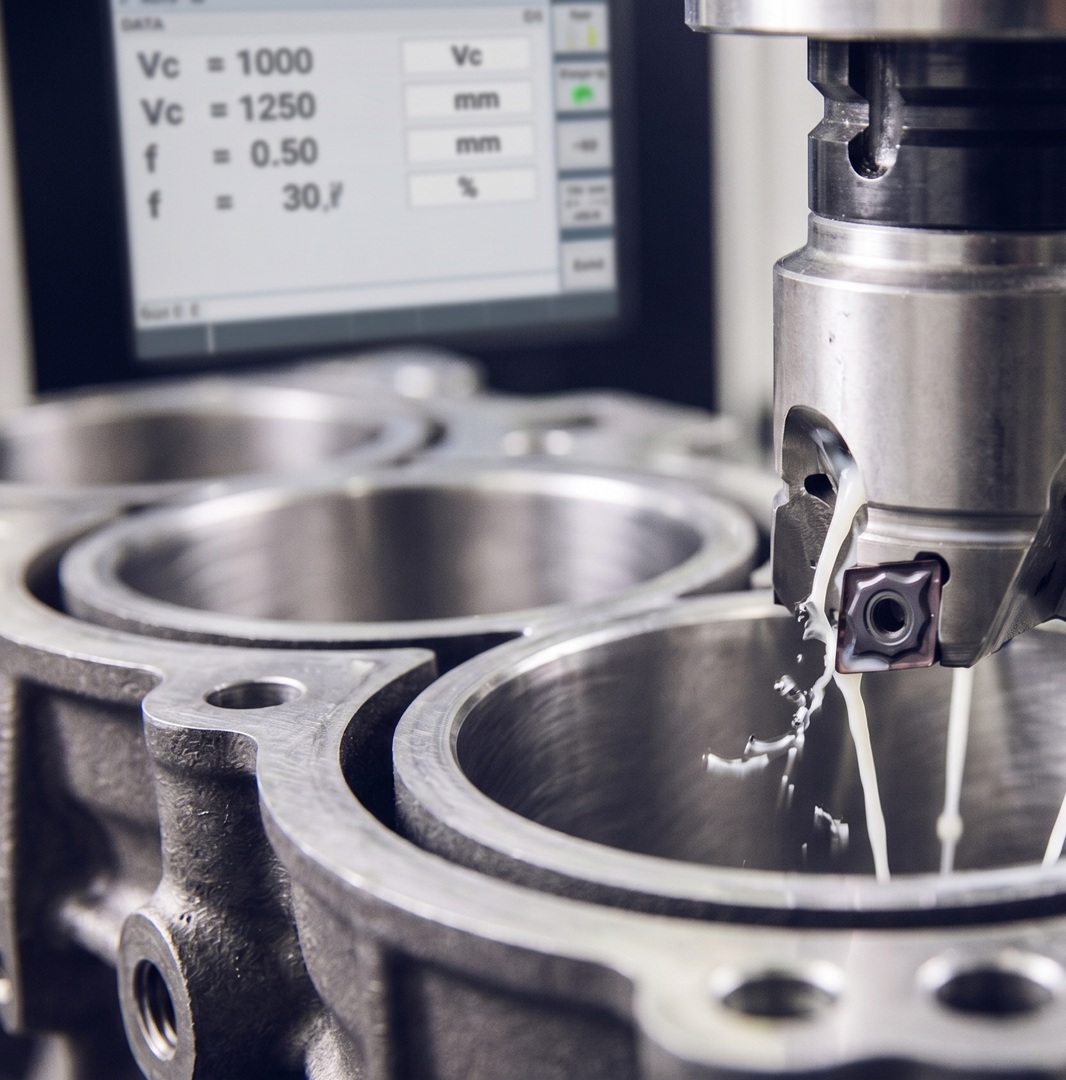
The Role of Coolant in Precision Machining of Large-Diameter Holes: Optimizing Cutting Parameters
Machining large-diameter holes, such as cylinders in engine blocks, bearing seats, or industrial valve components, is one of the most demanding tasks in modern production. When large diameters, deep drilling, boring, or honing are involved, operators usually focus on spindle rigidity and selecting the right cutting edges. However, even top-class CNC tools will not show their full potential if we forget one of the most critical elements of the process: a properly selected machining fluid.
Read more >
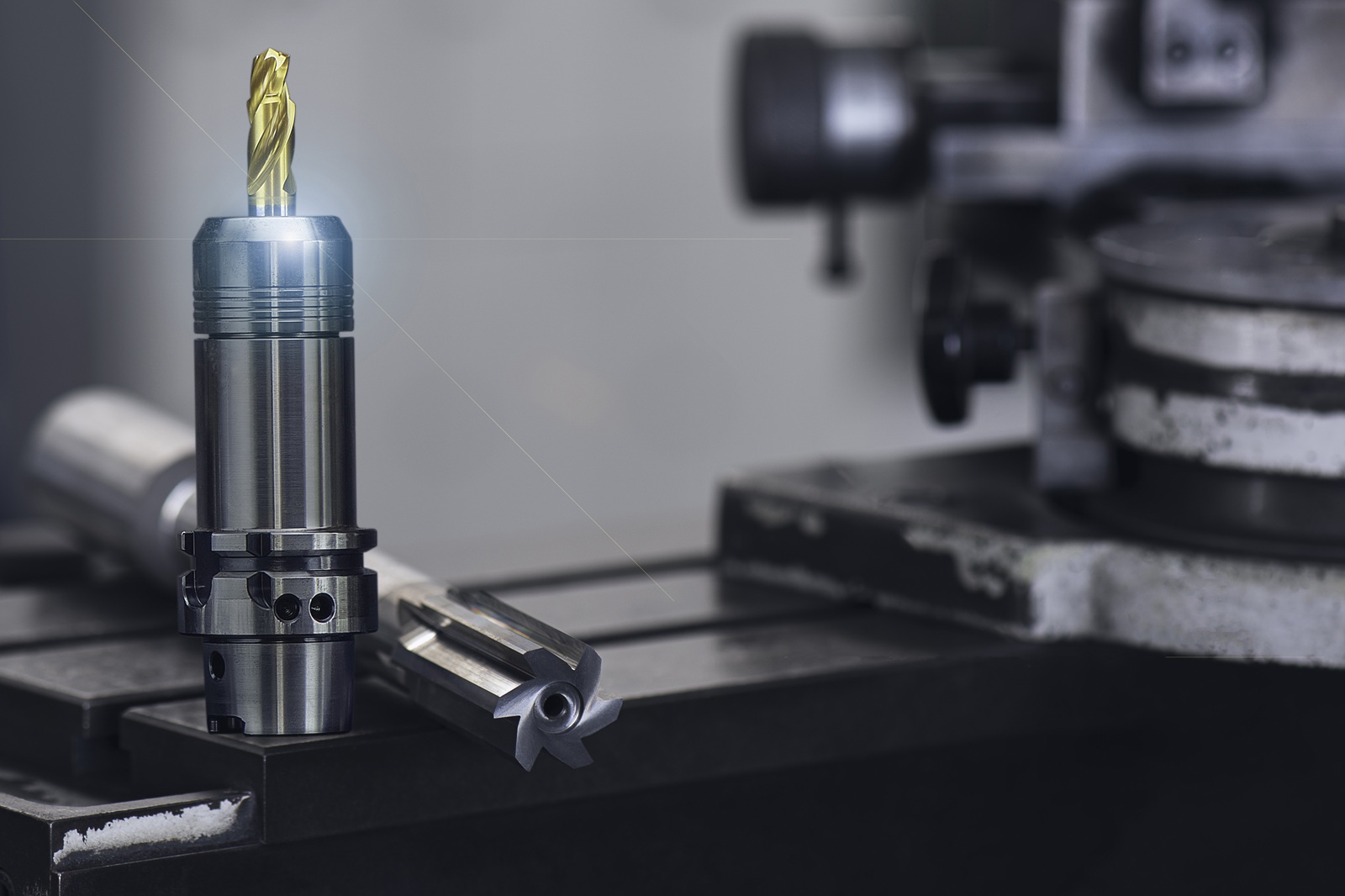
Finish Milling Cutters vs Reamers: Which CNC Tools Should You Choose for Precision Diameter Calibration?
Machining precision holes to tolerances around H7 or tighter is an everyday task in production plants focused on the highest quality. When a strict dimension appears on the technical drawing and surface roughness (Ra) must be close to a mirror finish, operators face a classic dilemma: use circular interpolation with a milling cutter or choose a dedicated reamer?
Read more >
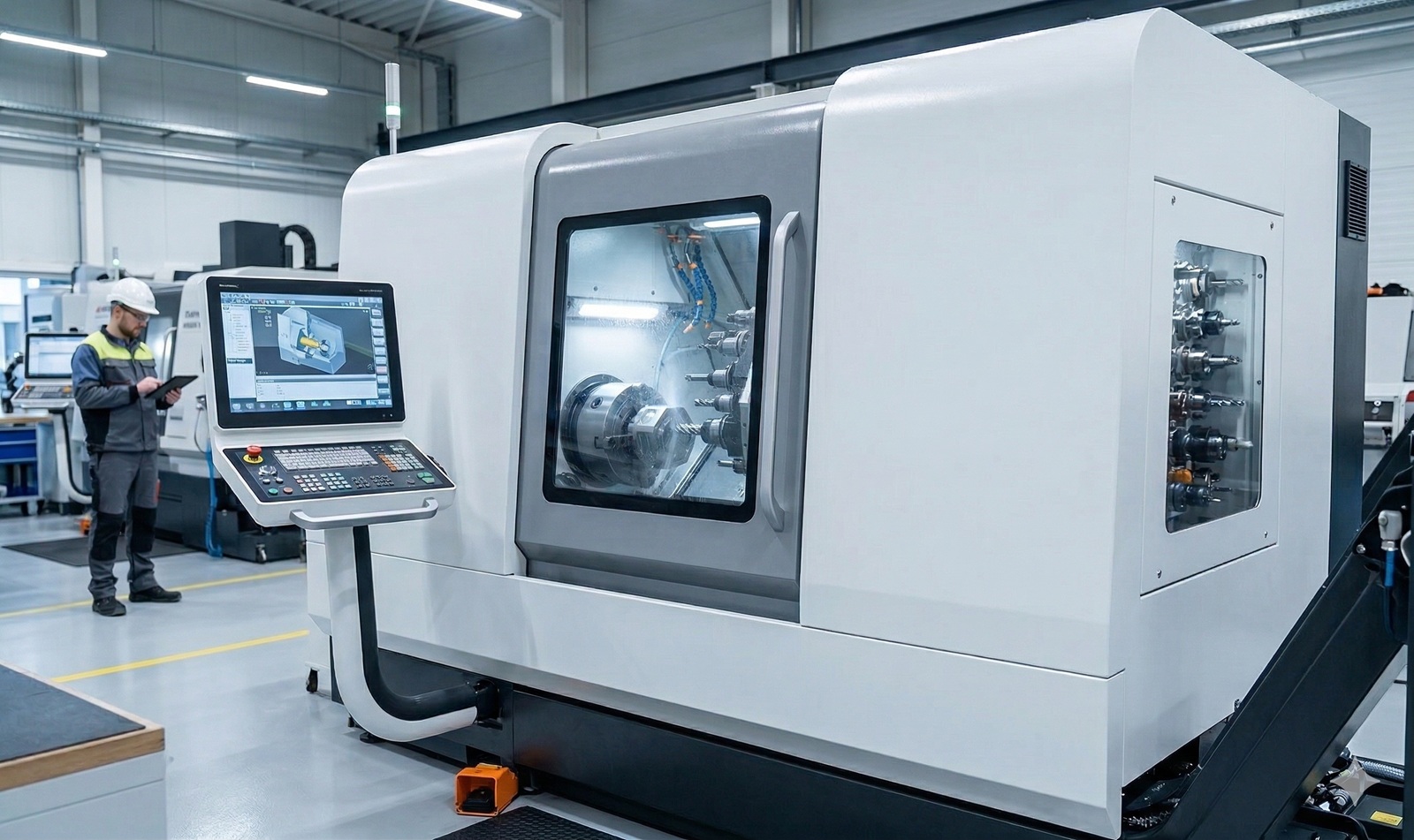
Milling on a Lathe - Selecting CNC Drills and Driven Tools for Multitasking Centers
In 2026, the boundary between turning and milling has almost completely disappeared. Modern multitasking centers (Mill-Turn) make it possible to produce a complex workpiece "ready to use" in a single setup. However, what is standard on a vertical machining center becomes a technological challenge on a lathe. Effective milling on a lathe requires not only a Y-axis, but above all a conscious selection of CNC tools that can handle limited space and the specific drive characteristics of the turret.
Read more >
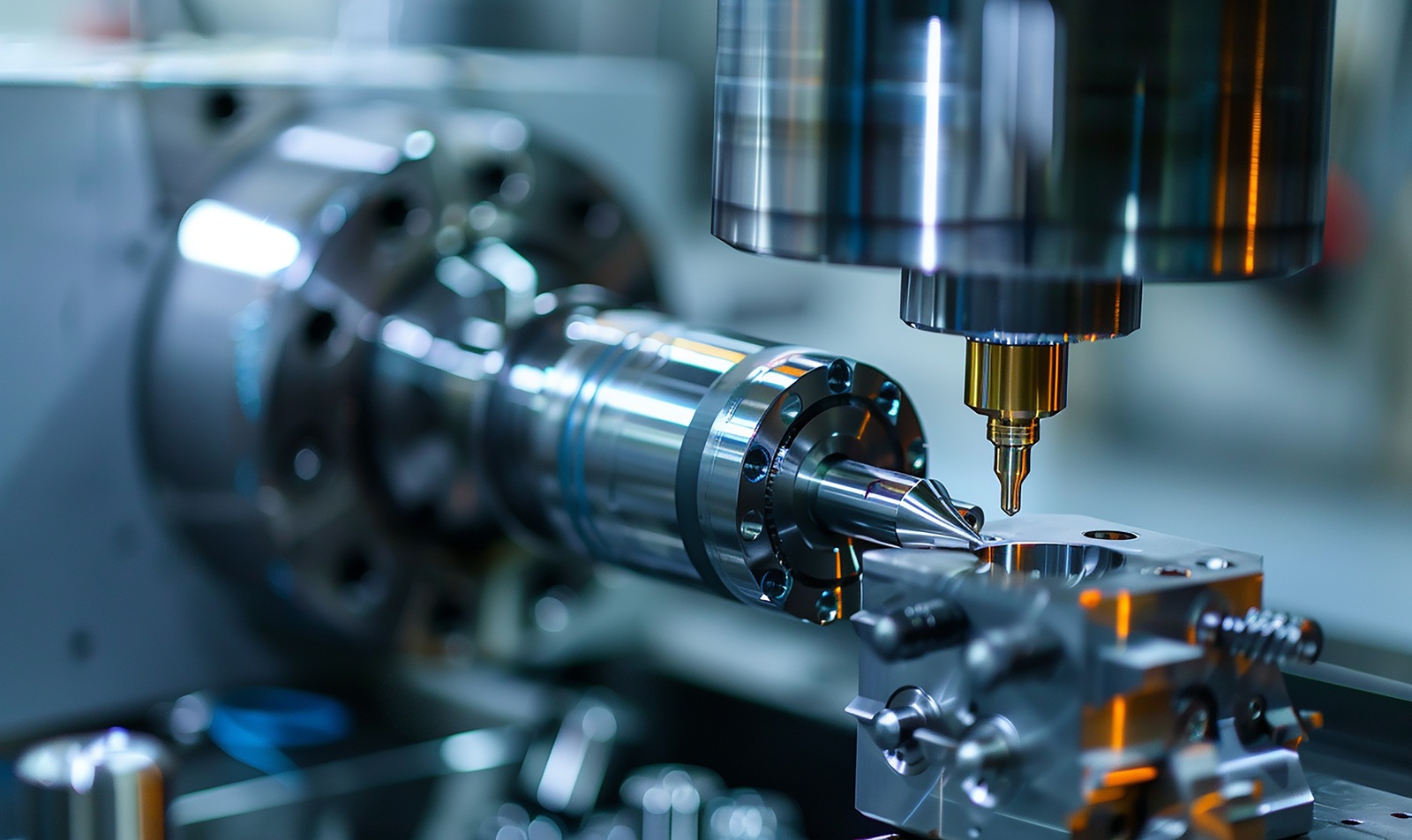
Mirror-like part surface: how the right milling cutters help achieve low Ra?
Every CNC operator knows the satisfying feeling when, after opening the machine door, they remove a part from the fixture with a surface as smooth as a mirror. However, achieving a very low roughness parameter (Ra) is rarely a matter of chance. It is the result of a precisely planned process, rigid clamping and, most importantly, perfectly selected cutting tools.
Read more >
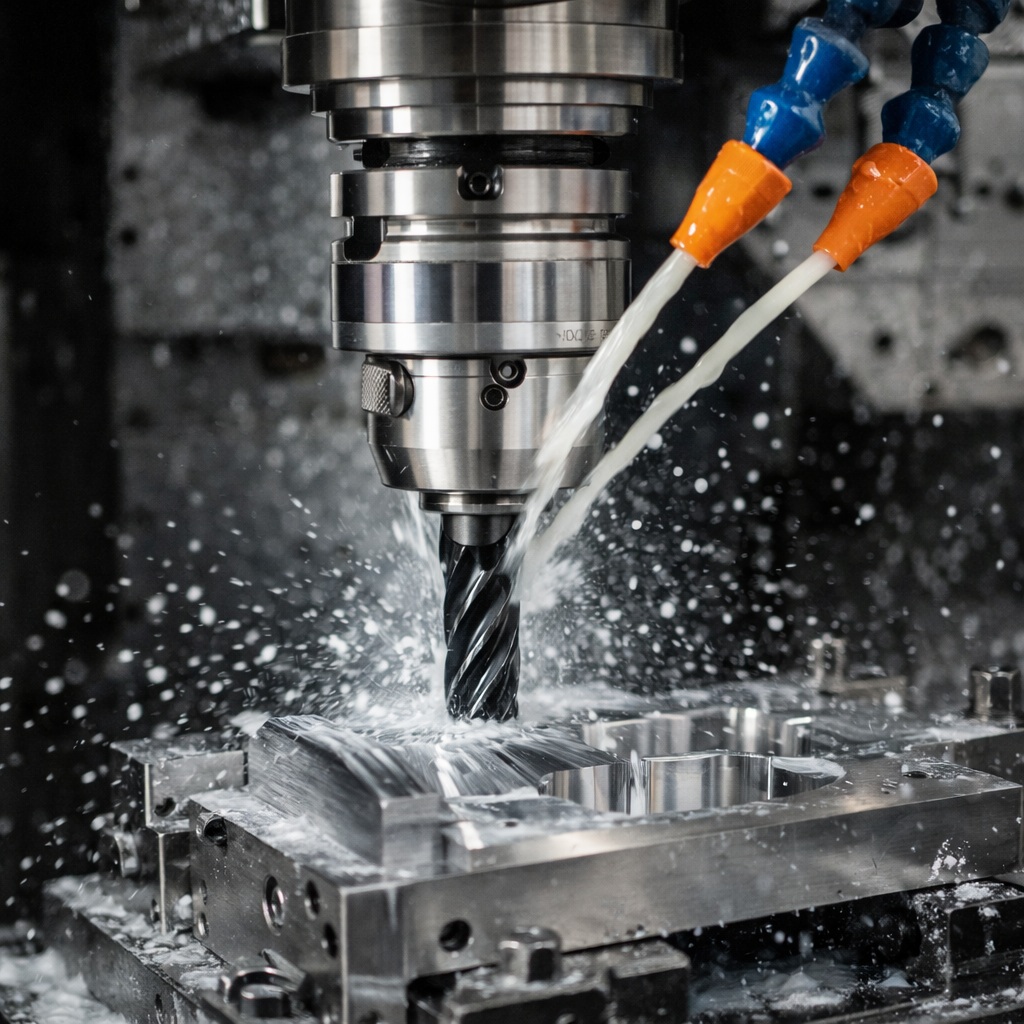
ER holder vs Hydrochuck: which provides greater accuracy in CNC machining?
In modern CNC machining, not only the quality of cutting tools plays a huge role, but also the way they are clamped. Even the best milling cutter, drill or reamer will not work properly if it is mounted in the wrong tool holder.
Read more >
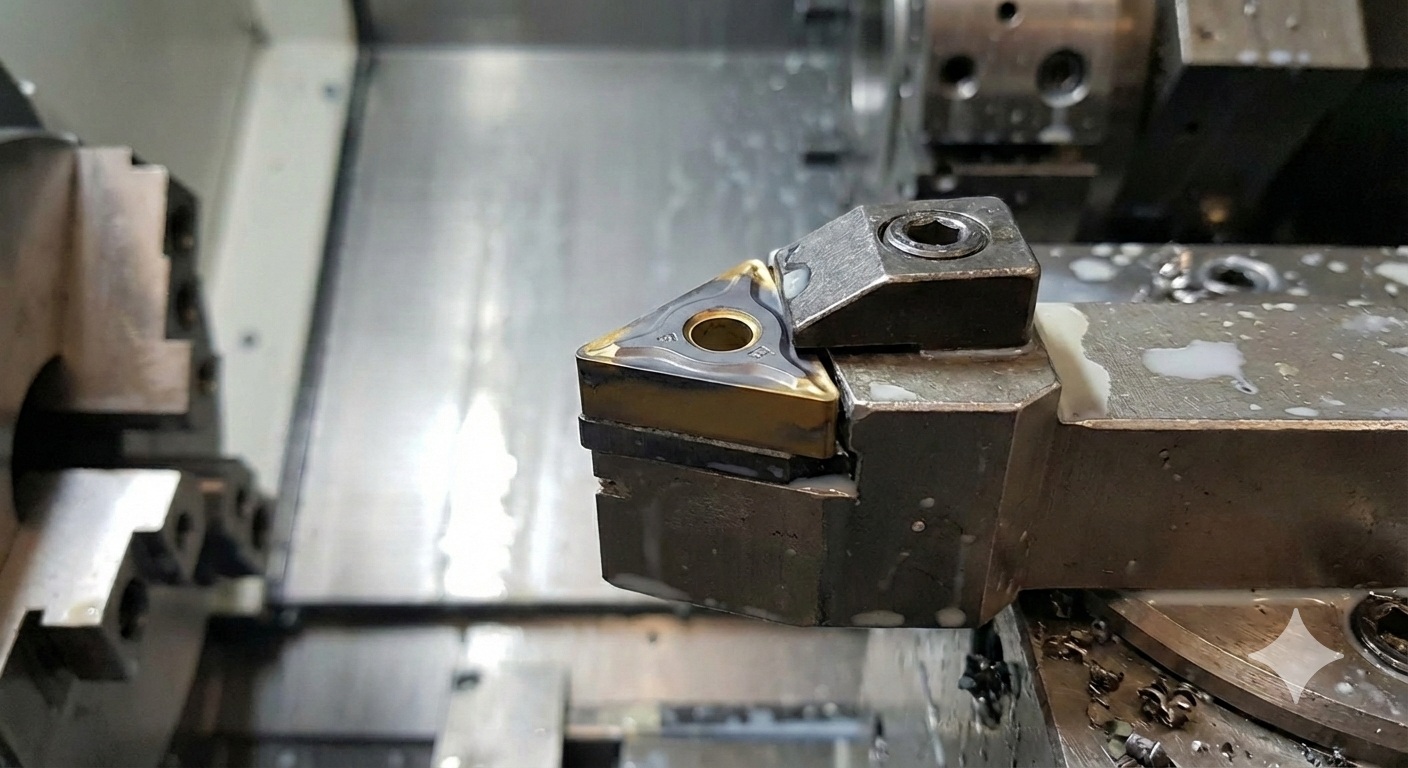
ISO turning insert designations demystified: How to read the symbols step by step?
Anyone who has ever held a box of new CNC tools knows that the string of letters and numbers on the label can look like a secret code. Symbols such as CNMG 120408 or DNMG 150604 look complicated at first glance, but in reality they contain precise instructions compliant with the ISO standard.
Read more >
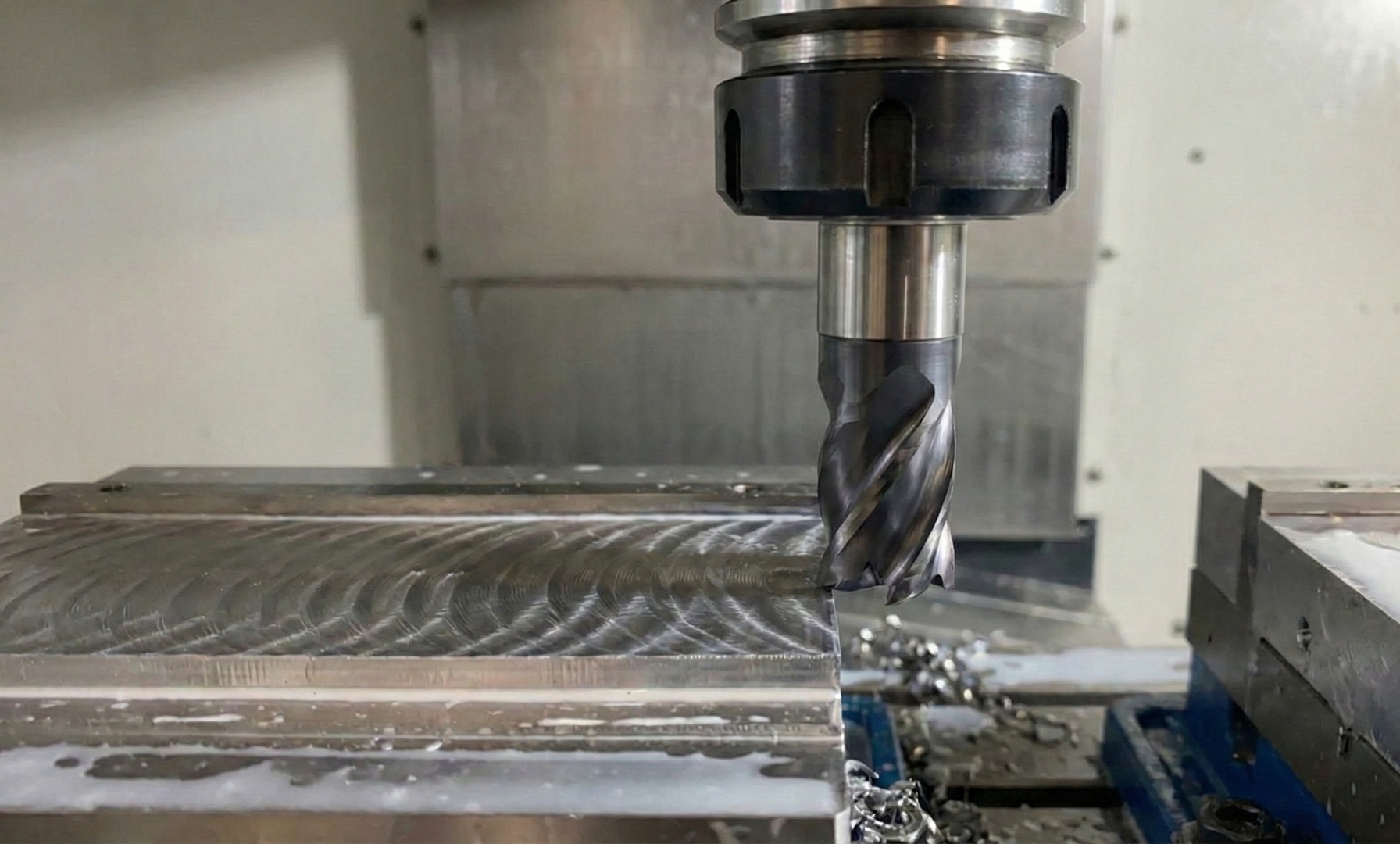
Vibrations in CNC machining: How VH and UP geometry eliminates "chatter" and extends tool life?
Self-excited vibrations, commonly called "chatter" in the industry, are one of the greatest enemies of efficient machining. They lead to faster cutting edge wear, poor surface quality, and in extreme cases, damage to the machine spindle. Although operators often try to fight this phenomenon by reducing cutting parameters, the key to the solution often lies in the design of the CNC tool itself. In this article, we will look at how modern solid milling cutter designs using VH (Variable Helix) and UP (Unequal Pitch) technologies change the rules of the game in high-performance machining.
Read more >
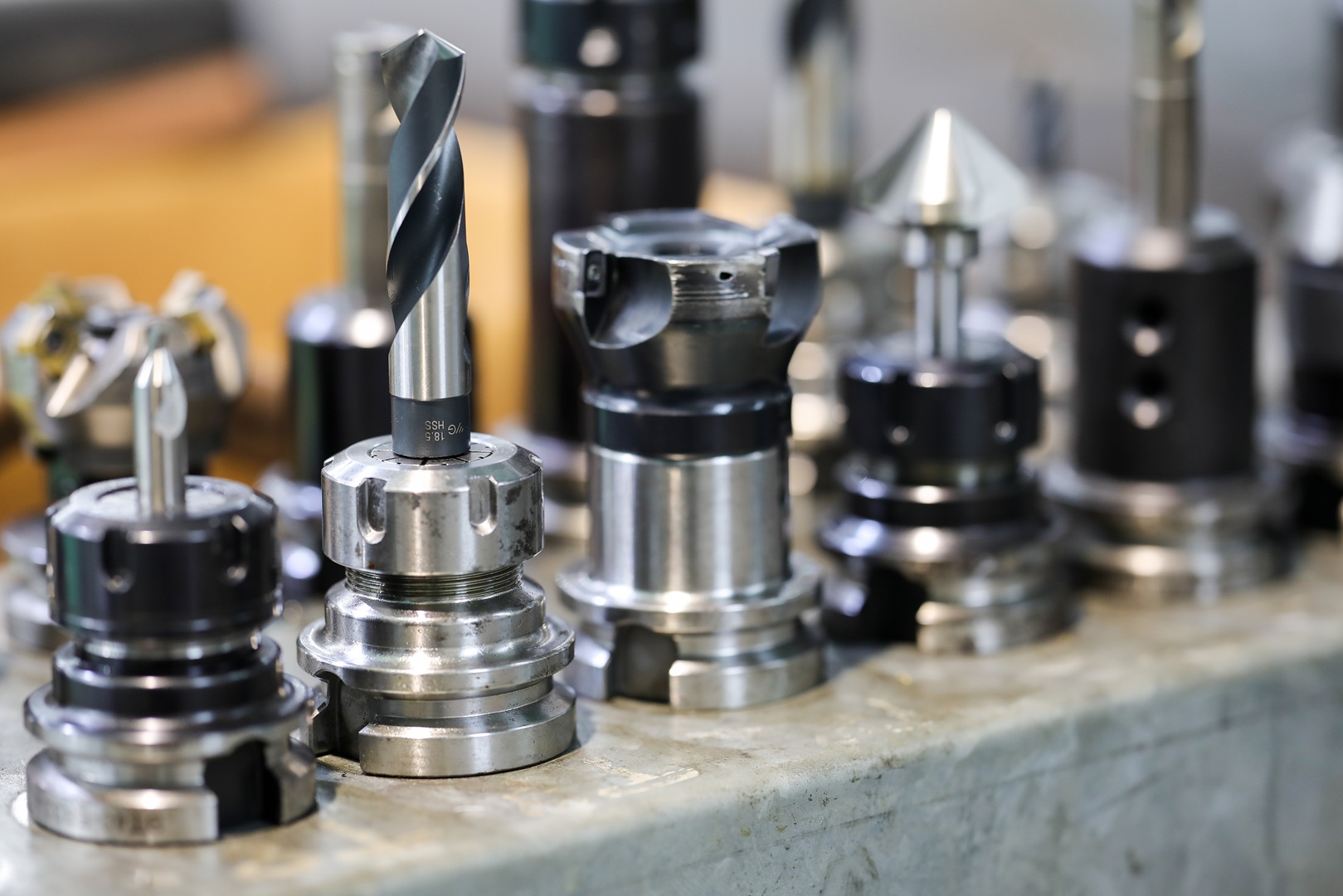
Loading the tool magazine - how to properly prepare CNC tools for a new operation?
Every machine stoppage means lost money, and the time spent retooling a machine tool (the so-called setup) is one of the most critical moments in the production process. Mistakes made during tool preparation can result not only in a ruined workpiece, but also in a costly spindle collision. How can you carry out the tool magazine loading process efficiently and safely?
Read more >
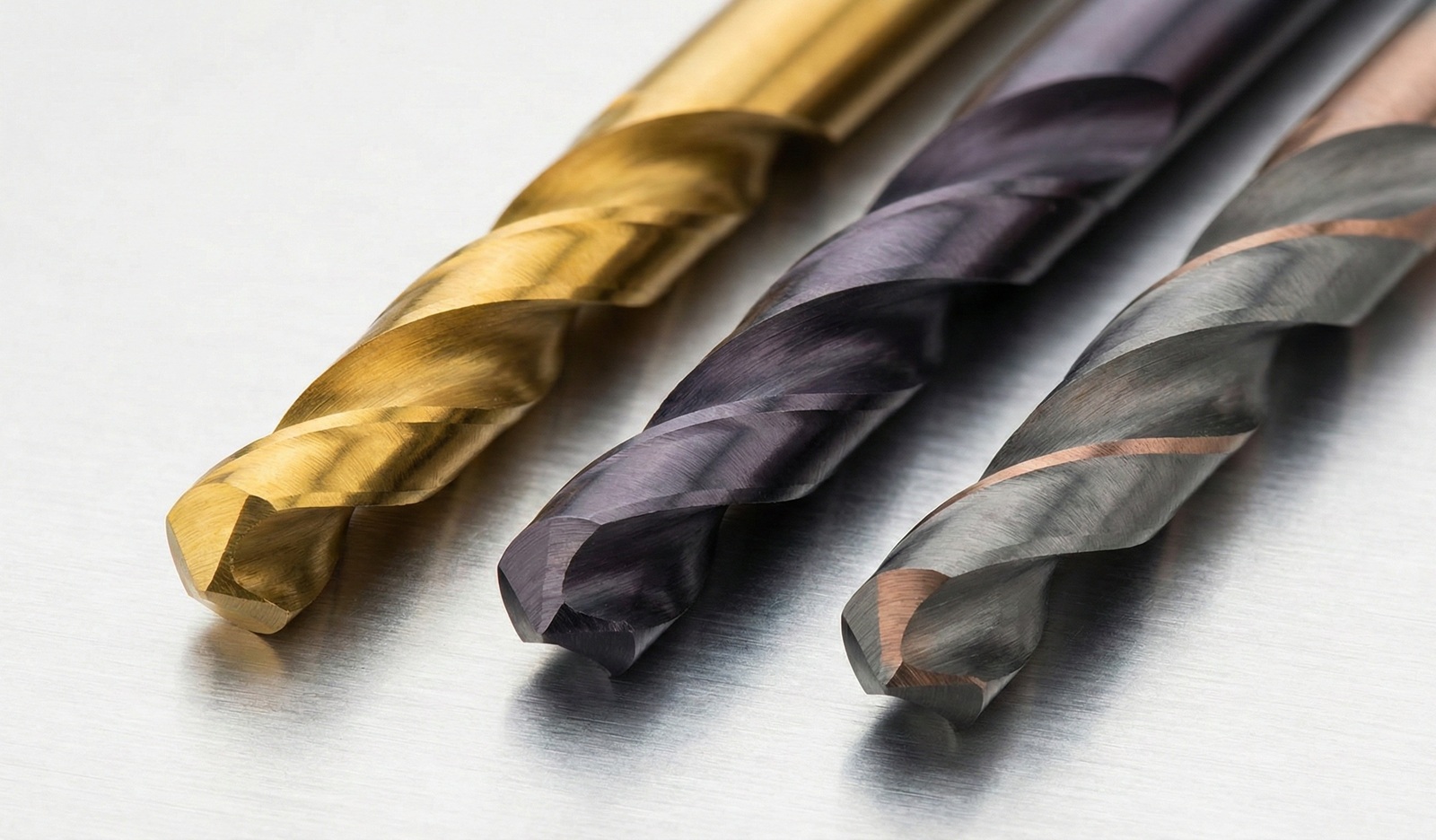
Coatings in HSS drills - TiN, TiAlN, or TiCN? How to choose the right surface treatment for the material?
Many operators and purchasing specialists ask themselves: why does the same drill come in three different prices and colors? Gold, purple, gray - this is not a matter of aesthetics, but chemistry and physics, which have a crucial impact on production efficiency. High-speed steel (HSS) drills still form the foundation of machining in many workshops, and the use of the right PVD coating allows them to compete in performance even in more demanding applications. In this article, we explain the differences between the most popular coatings: TiN, TiAlN, and TiCN, and suggest how to choose cutting tools so as not to overpay while extending cutting edge life.
Read more >
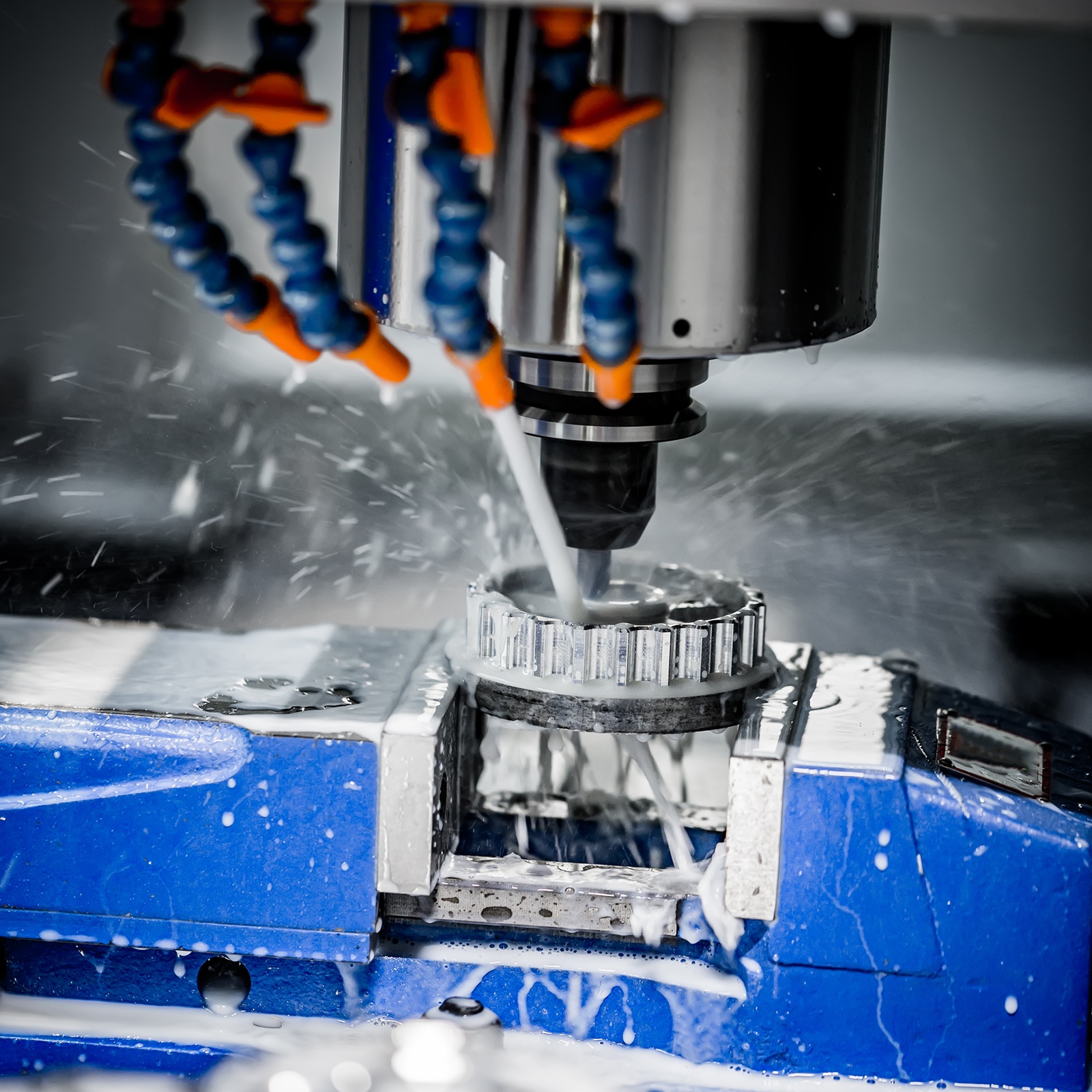
Coolant for aluminum machining - how to avoid stains on the part and corrosion?
Aluminum machining seems like an easy and pleasant process: the material is soft, the chip usually breaks cleanly, and cutting speeds can be high. However, this metal has its "dark side". Many operators have encountered a situation where a perfectly made part, after washing, turns out to be dull, covered with gray stains or, worse, spots of corrosion. The key to success here is not only the geometry of the milling cutter, but above all chemistry, meaning a properly selected coolant for aluminum.
Read more >
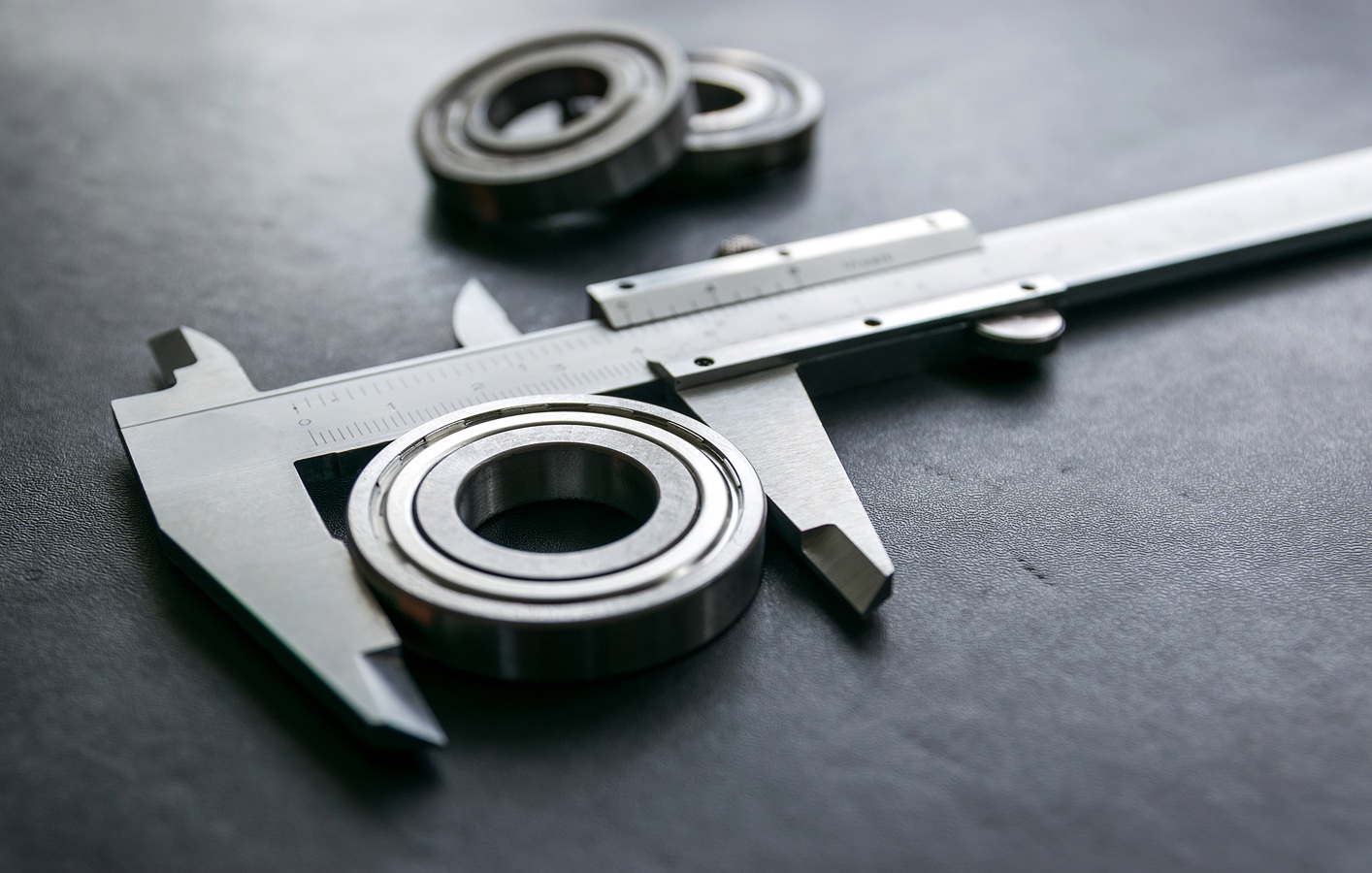
Precision Under Protection: How to care for measuring tools so they last for years?
In the world of machining, where tolerances are often measured in micrometers, measuring tools are just as important as the machine itself or the milling cutters used. Even the most expensive machining center and the best CNC tools will not ensure the right quality if the operator verifies the part with a damaged or "lying" caliper.
Read more >
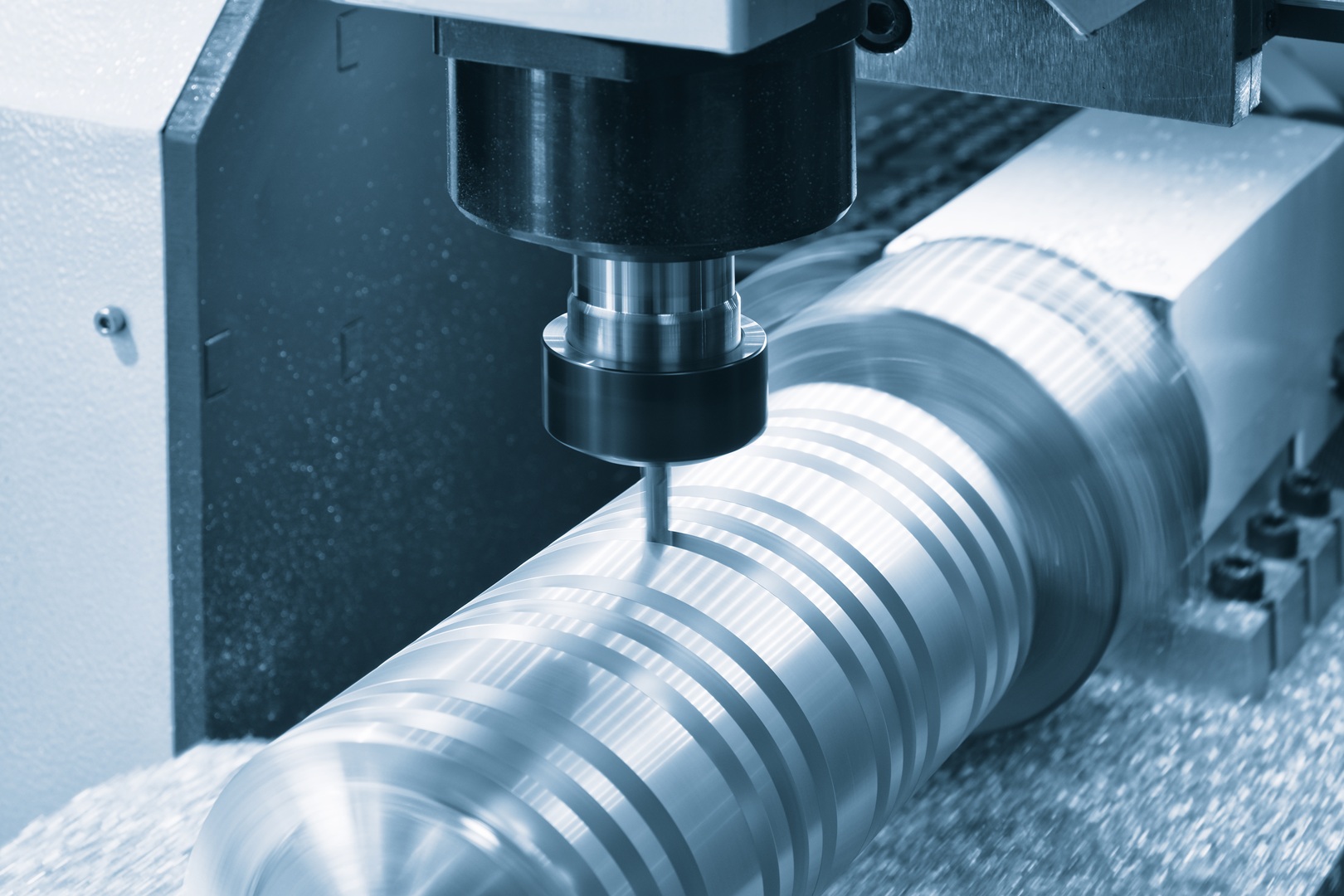
Dynamic (trochoidal) milling - how to extend the life of solid carbide milling cutters?
In the world of CNC machining, there is a common belief that to work faster you need to "push" the machine harder, which usually ends with faster tool wear. But is it possible to increase material removal rate (MRR) while making the milling cutter work several times longer? The answer is to change the strategy to dynamic milling (High Efficiency Milling - HEM) and trochoidal toolpaths.
Read more >
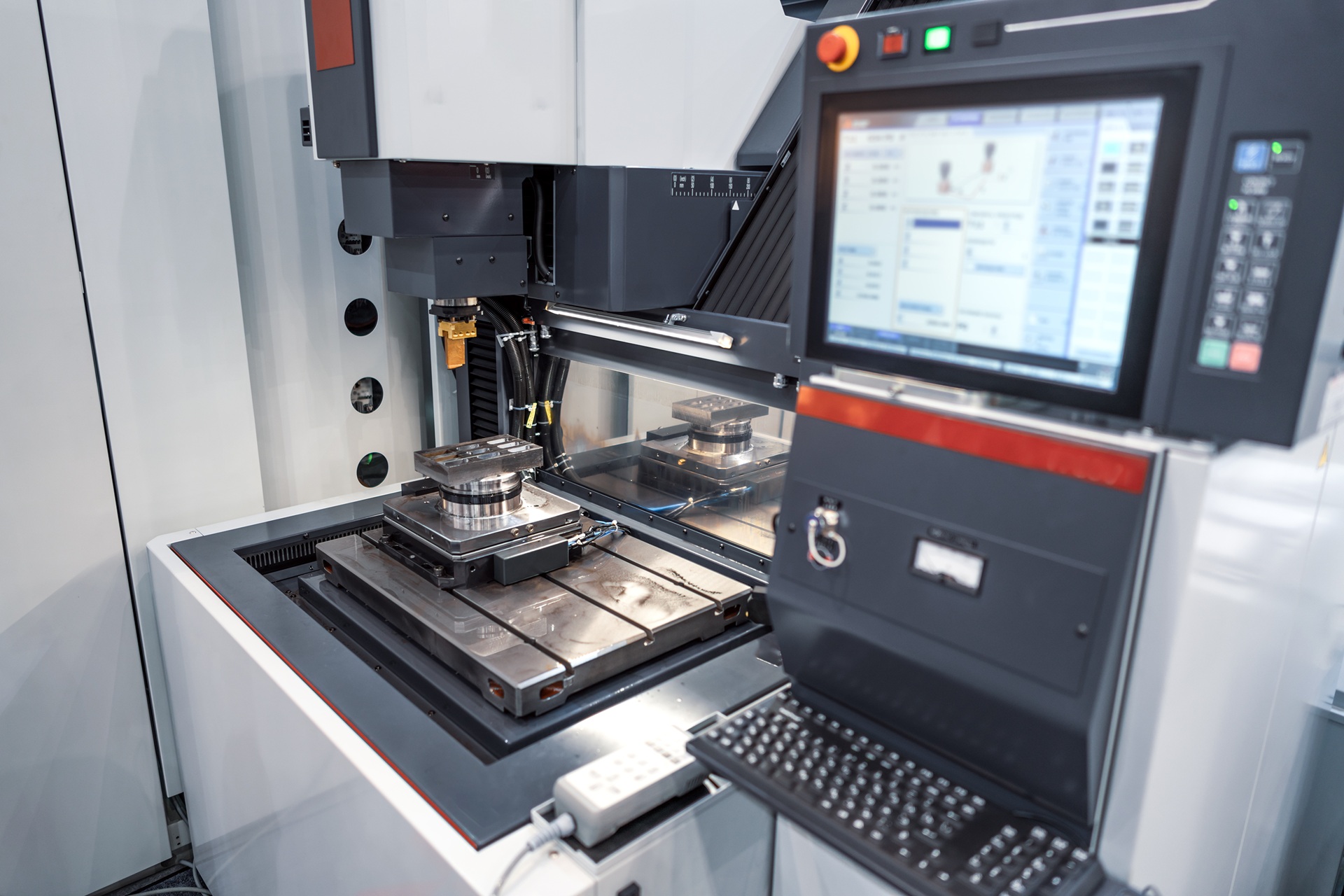
Rigidity of the MTWT System (Machine-Tool Holder-Workpiece-Tool) - how tooling affects part dimensions
You bought a modern machine, you use branded milling cutters, and yet the dimensions still "drift" and the part surface leaves much to be desired? Before you start blaming the control system or the quality of the cutting inserts, look at the physics of the entire process. In the world of machining, one iron rule applies: the system is only as strong as its weakest link. That link is often hidden in the MTWT acronym.
Read more >
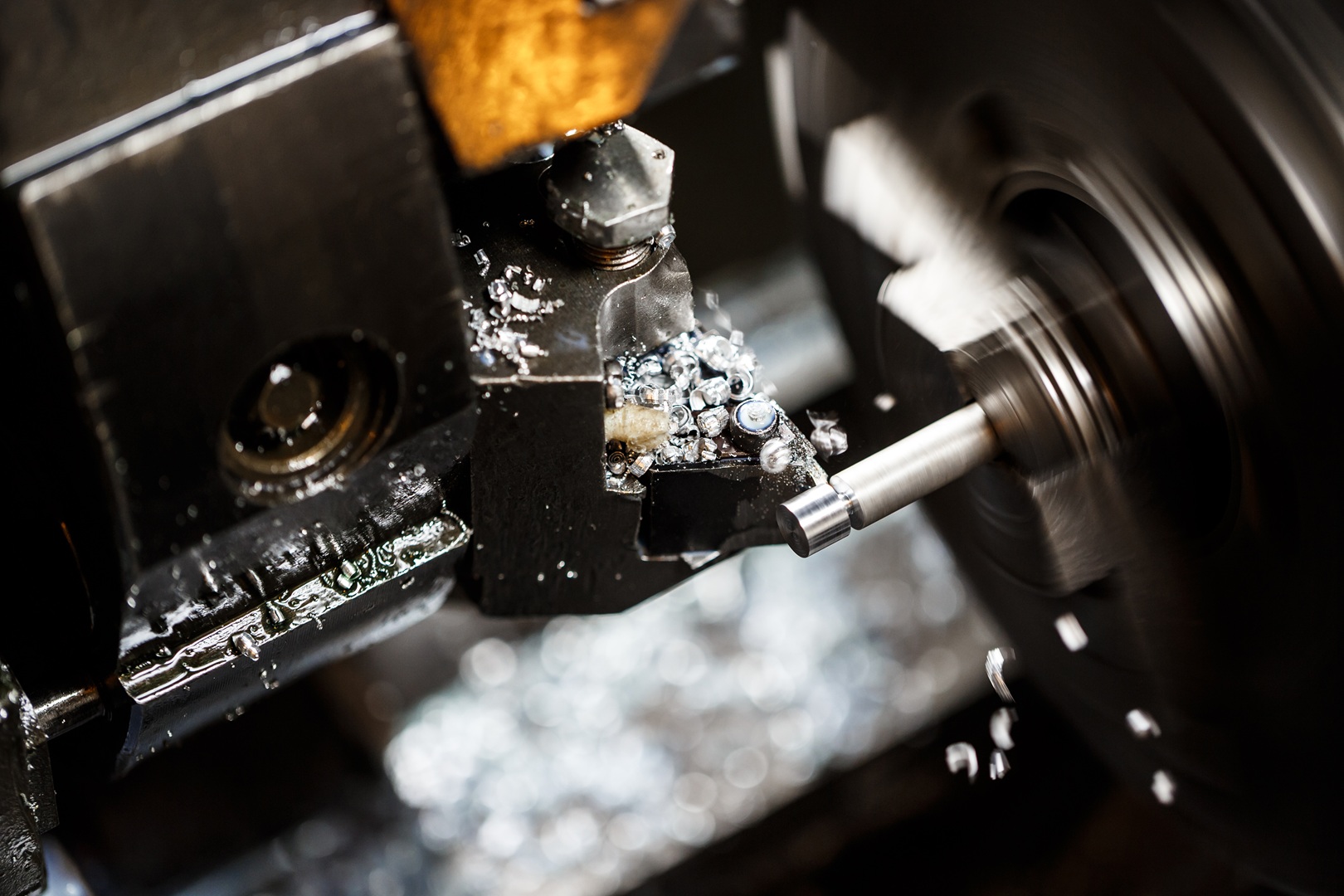
Parting and grooving on a lathe - how to do it safely and avoid breaking inserts?
Parting off a finished component is often the last and most stressful operation in the turning process. A moment of inattention, poor chip evacuation, or a minimal setup error is enough to crack the tool and, in the worst case, damage an almost finished part. Why are parting tools and grooving tools so sensitive to mistakes?
Read more >
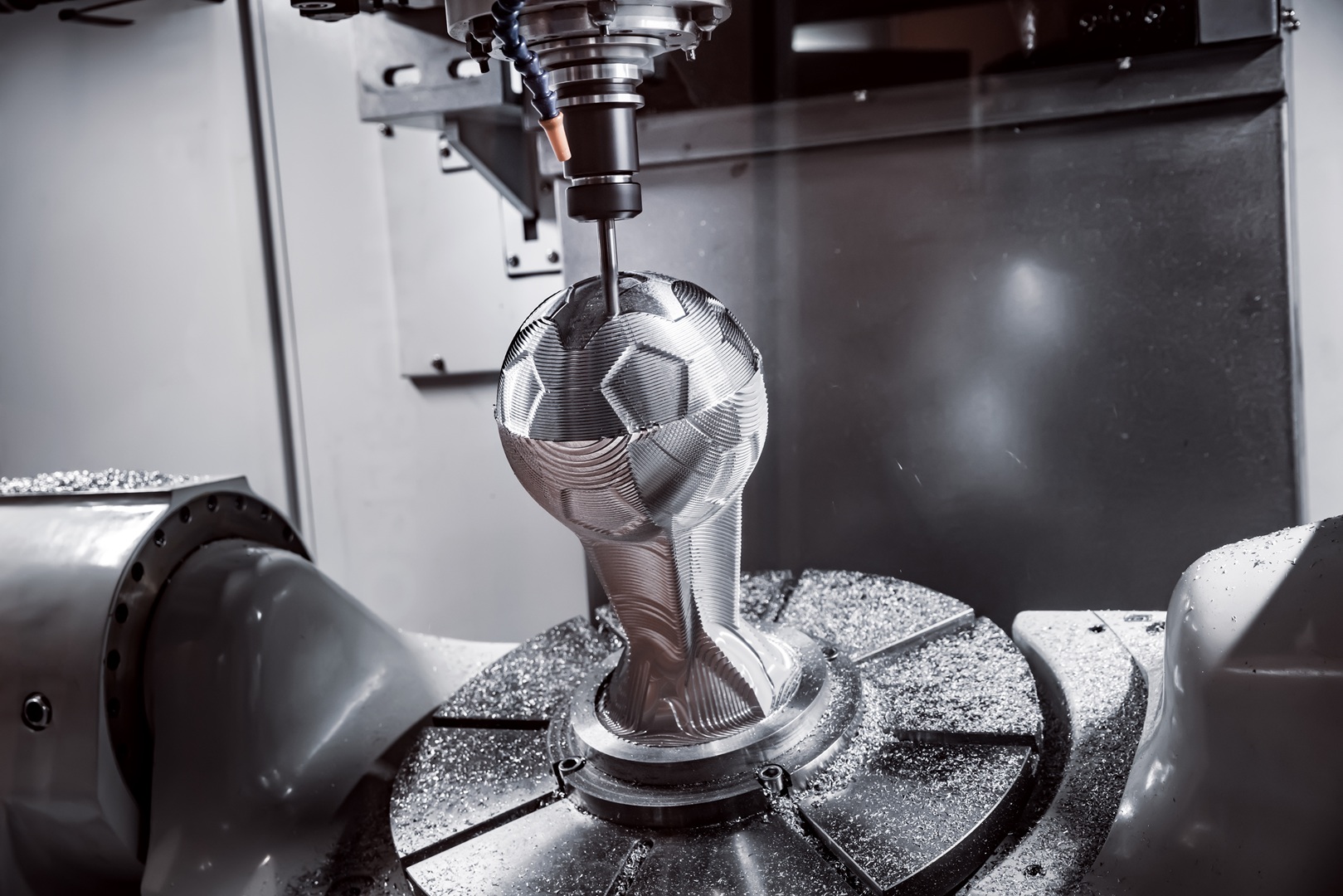
CNC diagnostics: 4 main causes of premature cutting tool wear
Every operator knows that cutting tools wear out. But what if it happens too quickly? If a new milling cutter or turning tool loses its properties after only a few parts, production costs rise dramatically. The cause is rarely "poor quality" of the tool and is almost always one of the hidden technical problems in the process.
Read more >
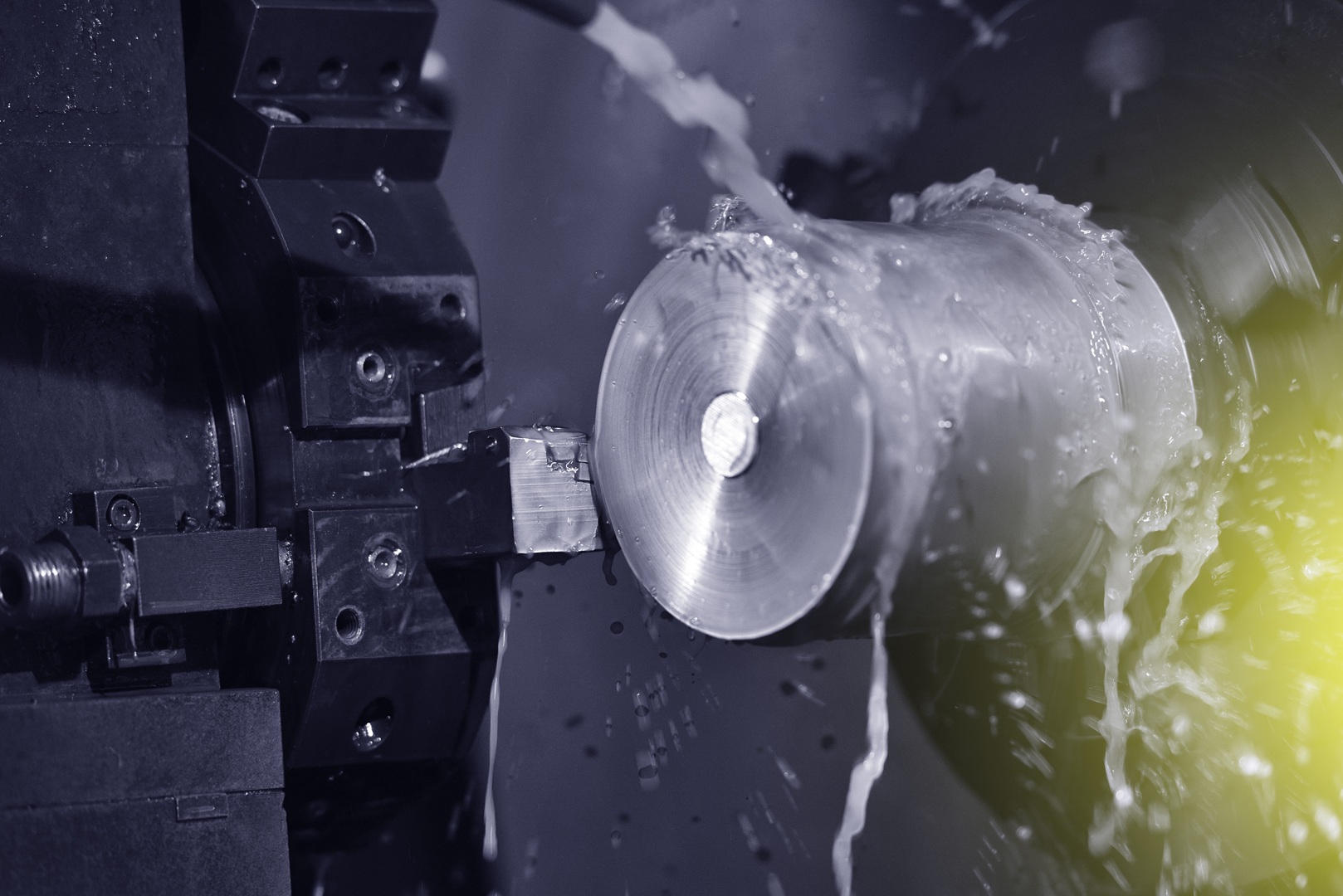
Comparison of CNC coolants from Technar's offer: TRIM MicroSol 590XT vs C116 vs CoolPAK S5628
Choosing the right coolant for CNC machines is one of the most strategic decisions in the machining process. It is not "just water with oil" - it is a technological fluid that directly affects tool life, the surface quality of parts, and the stability of the entire process. Incorrect coolant selection can significantly shorten the life of CNC milling cutters or drills, and also affect downtime and operating costs.
Read more >
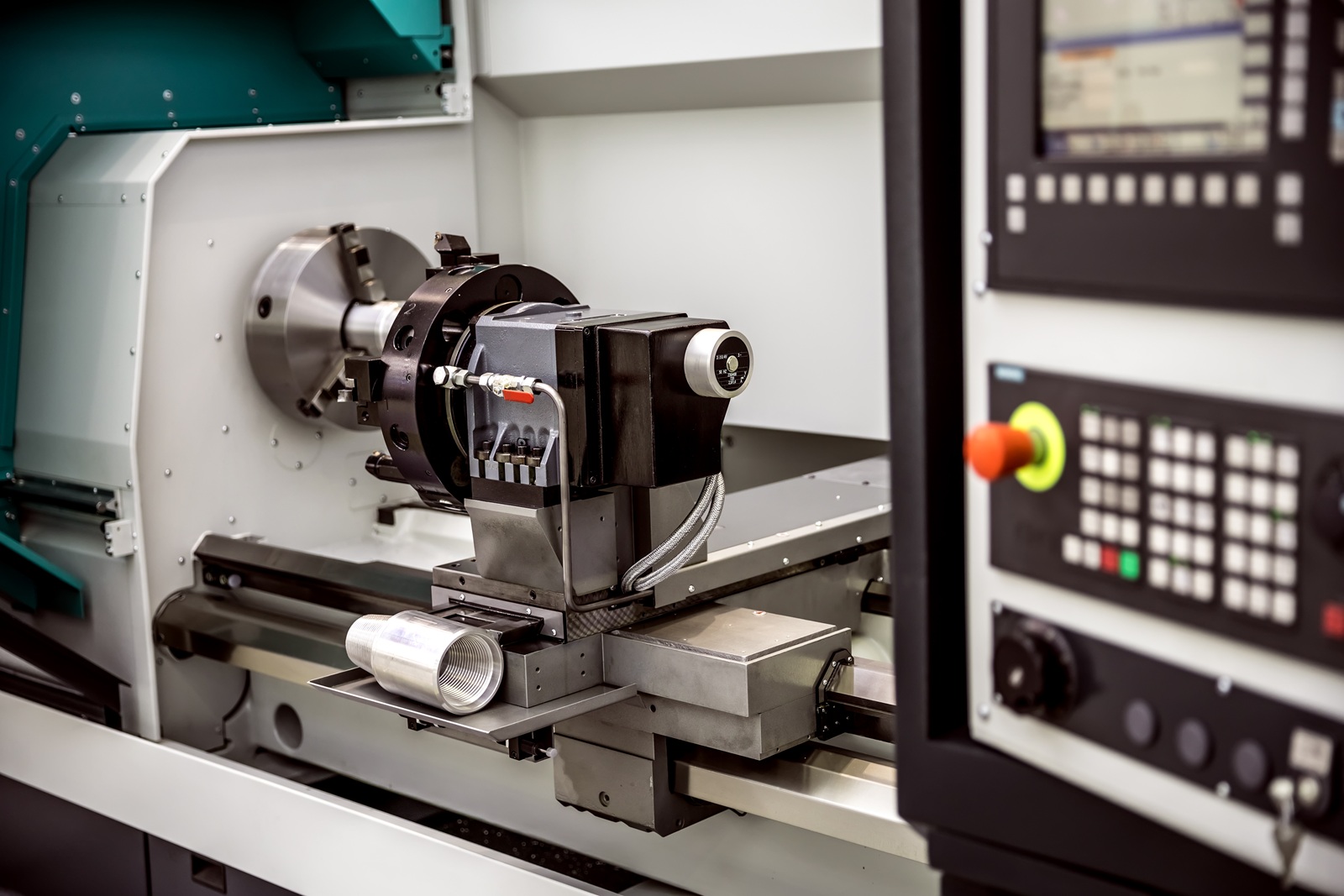
What are the types of CNC machining? A guide to key cutting methods
CNC machining (Computerized Numerical Control) is the foundation of modern industrial production. Thanks to computer control, it enables the production of complex components with exceptional precision and repeatability that cannot be achieved with manual methods. This process involves removing excess material (subtractive machining) to give a raw block the desired shape. However, "CNC machining" is a broad term that includes many different methods. The choice of the right technique depends on the geometry of the part, the type of material, and the required accuracy. At the heart of each of these methods are high-performance CNC tools.
Read more >
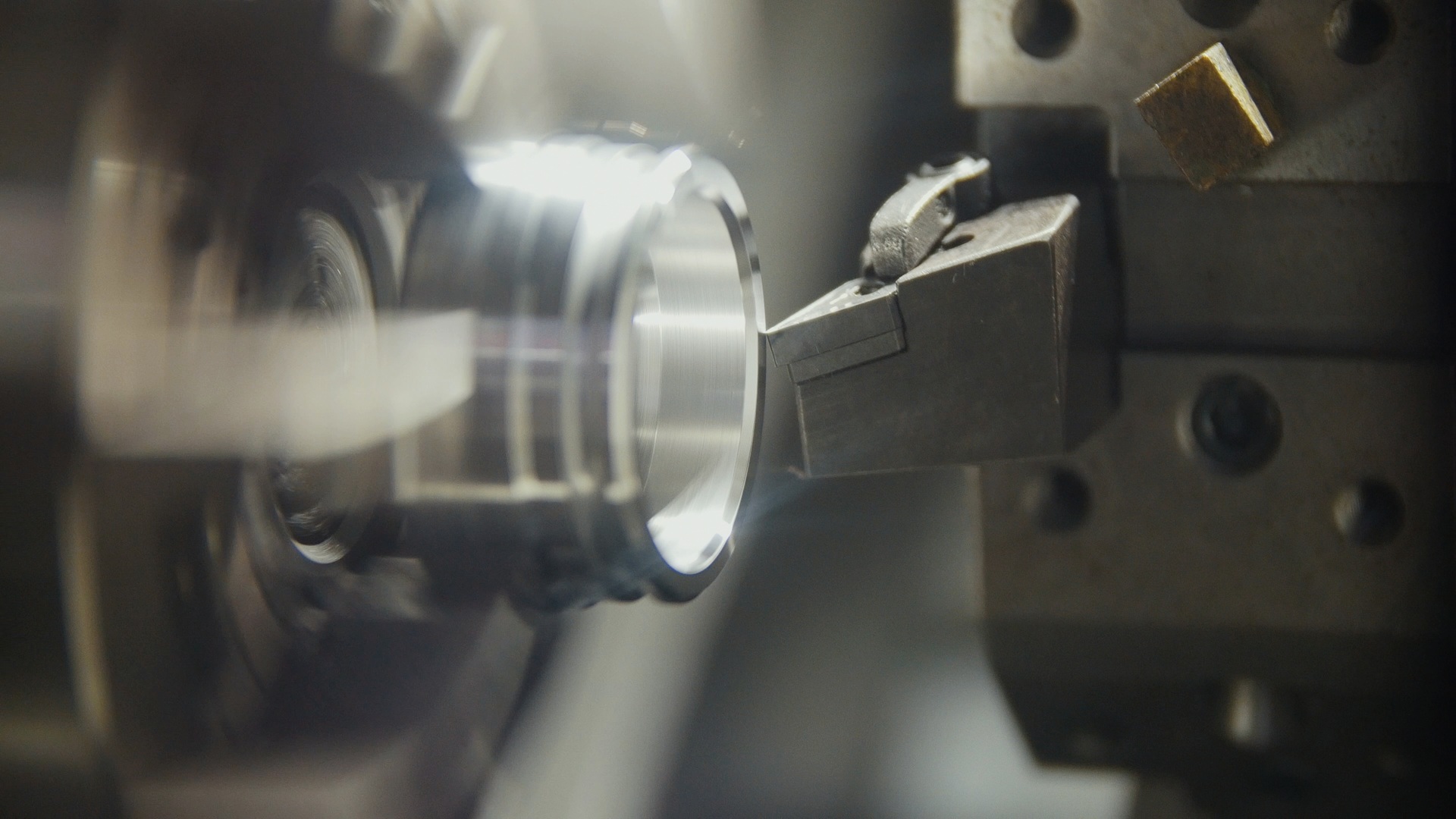
Turning tools in CNC machining - a short guide
Modern machining on CNC machines places extremely high demands on manufacturers: not only precision and repeatability matter, but above all efficiency and minimized downtime. In the turning process, the key to achieving these goals is selecting the right cutting tools, and among them turning tools play a fundamental role. The success of the entire process depends on their quality, geometry, and fit to the material. In this article, we take a closer look at the world of these essential CNC tools.
Read more >
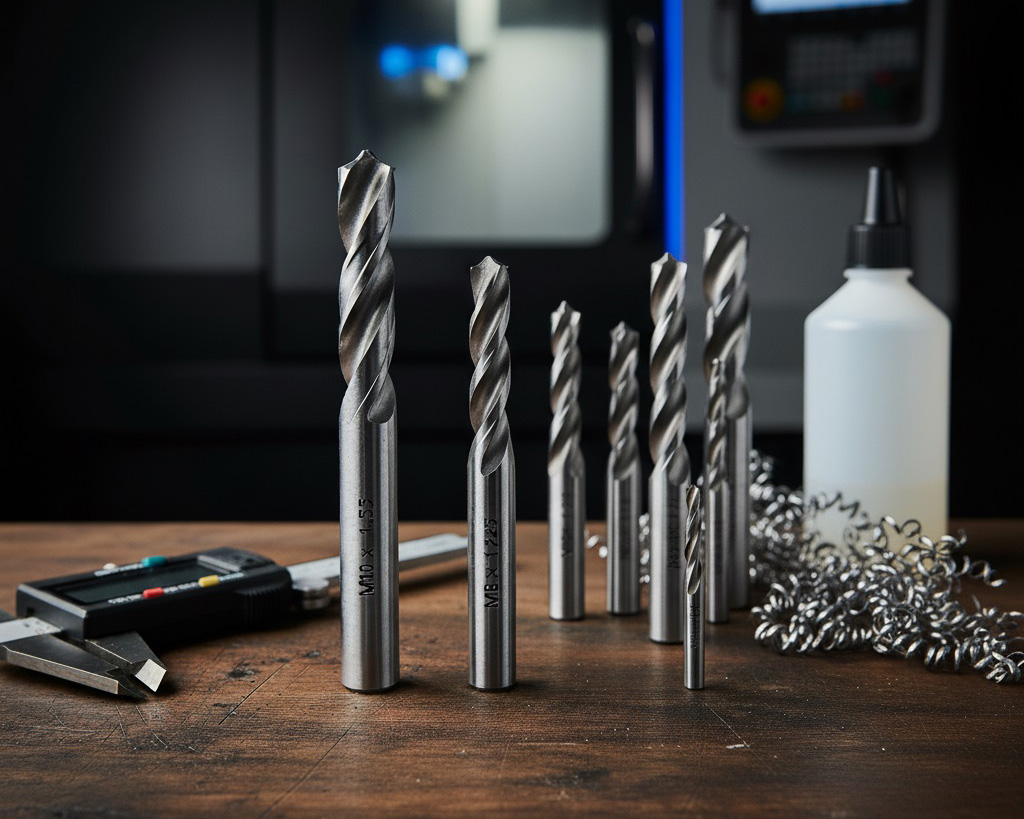
What Drill Bit for an M10, M8, and M6 Tap? A Practical Guide and Tool Selection
Every machine operator, locksmith, or mechanic knows that M6, M8, and M10 threads are an absolute staple in everyday work. When faced with making them, one detail is crucial to the success of the entire operation: the perfect drill diameter selection. A hole that is too small almost certainly means a broken tap and lost valuable time, while one that is too large means a loose and unreliable connection.
Read more >
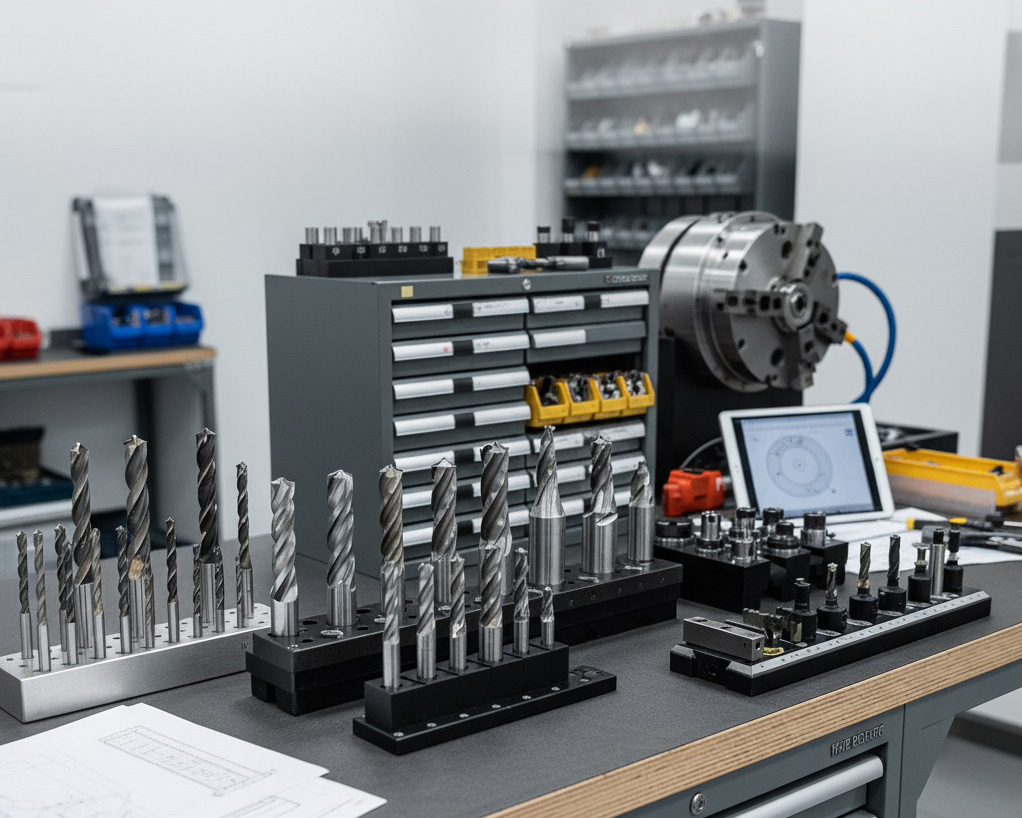
End Mills, Drills, Turning Tools - How to Build a Universal CNC Tool Set?
Every operator, whether an experienced technologist or the owner of a new machining center, faces the same challenge: selecting CNC tools. Putting together a universal set that can handle most everyday tasks is the key to smooth and efficient work. Instead of buying dozens of specialized tools, it is worth building a solid base that can be expanded as needed. In this article, we suggest how to create a versatile starter set based on the three pillars of metal cutting: milling cutters, drills, and turning tools.
Read more >
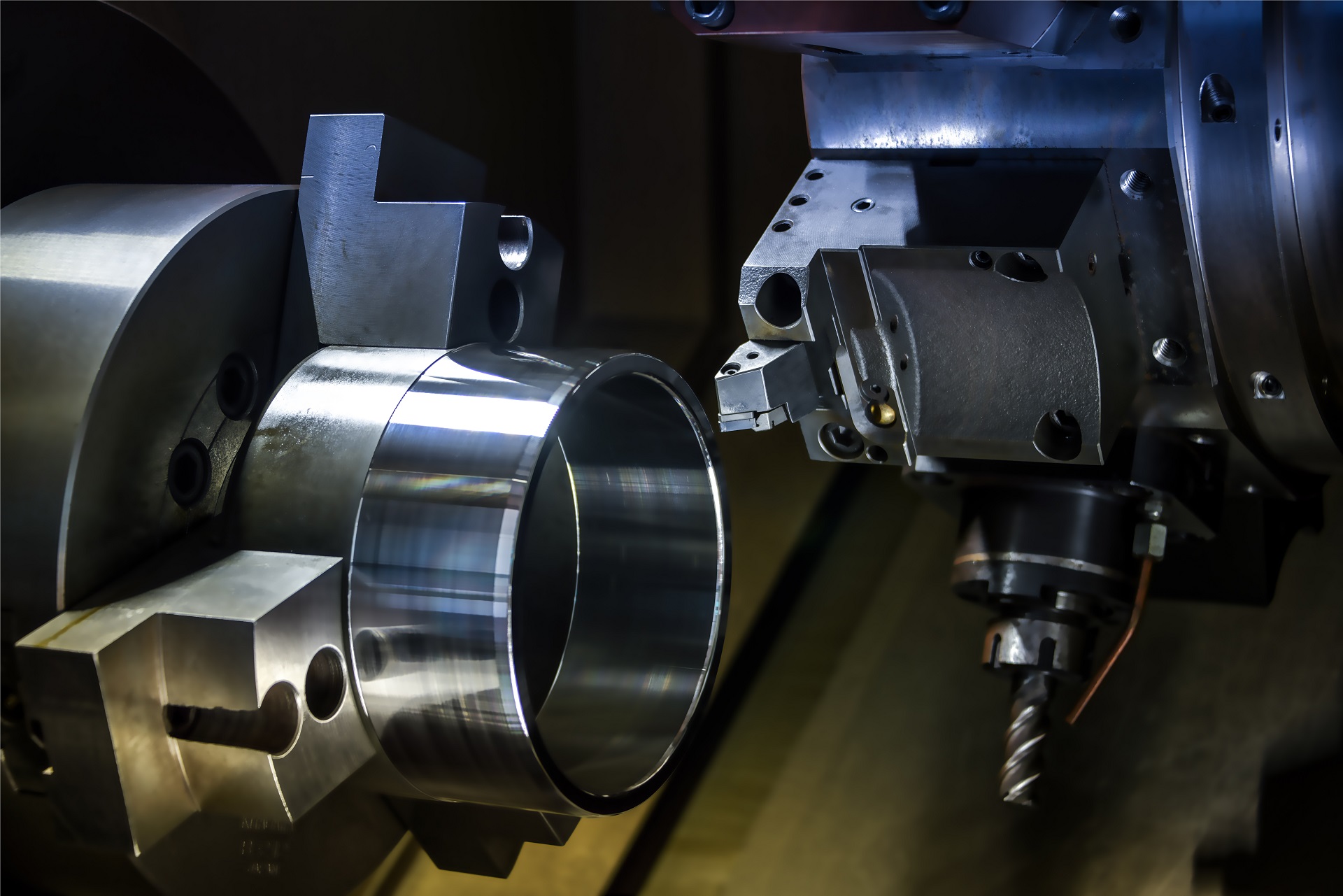
Selecting CNC Turning Inserts - 5 Mistakes to Avoid
Precision, productivity, and tool life - these are the three pillars of effective metal cutting. Properly selected turning inserts play a key role in achieving these goals. Choosing the first insert that "sort of fits" is a direct route to higher costs, lower quality, and unnecessary downtime.
Read more >
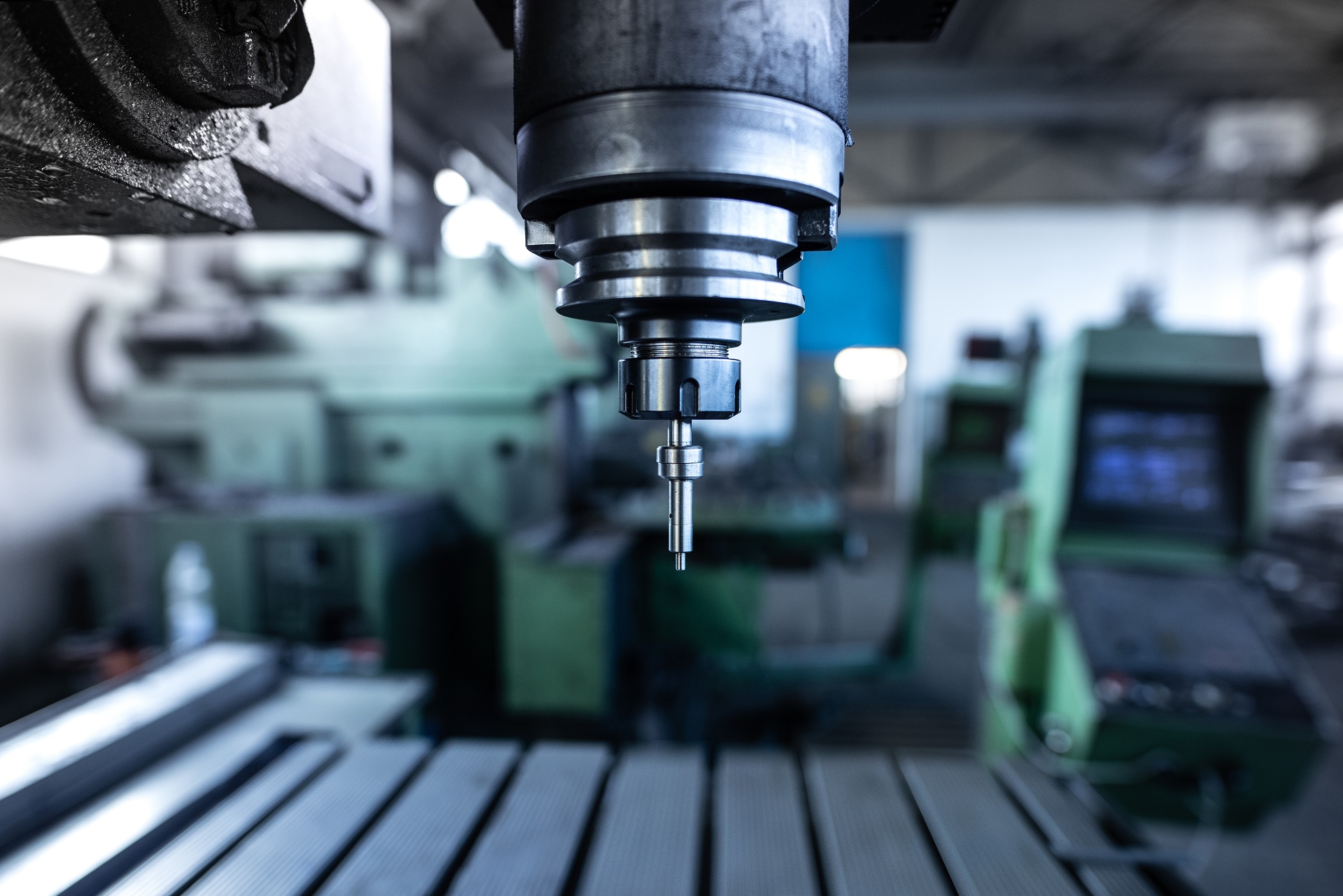
How Holder Runout Destroys Tools and Machining Quality
In modern CNC machining, we focus on machine power and milling cutter quality. We often do not realize that a silent saboteur of precision is hidden between them: tool holding. The phenomenon that generates the highest costs is radial runout.
Read more >
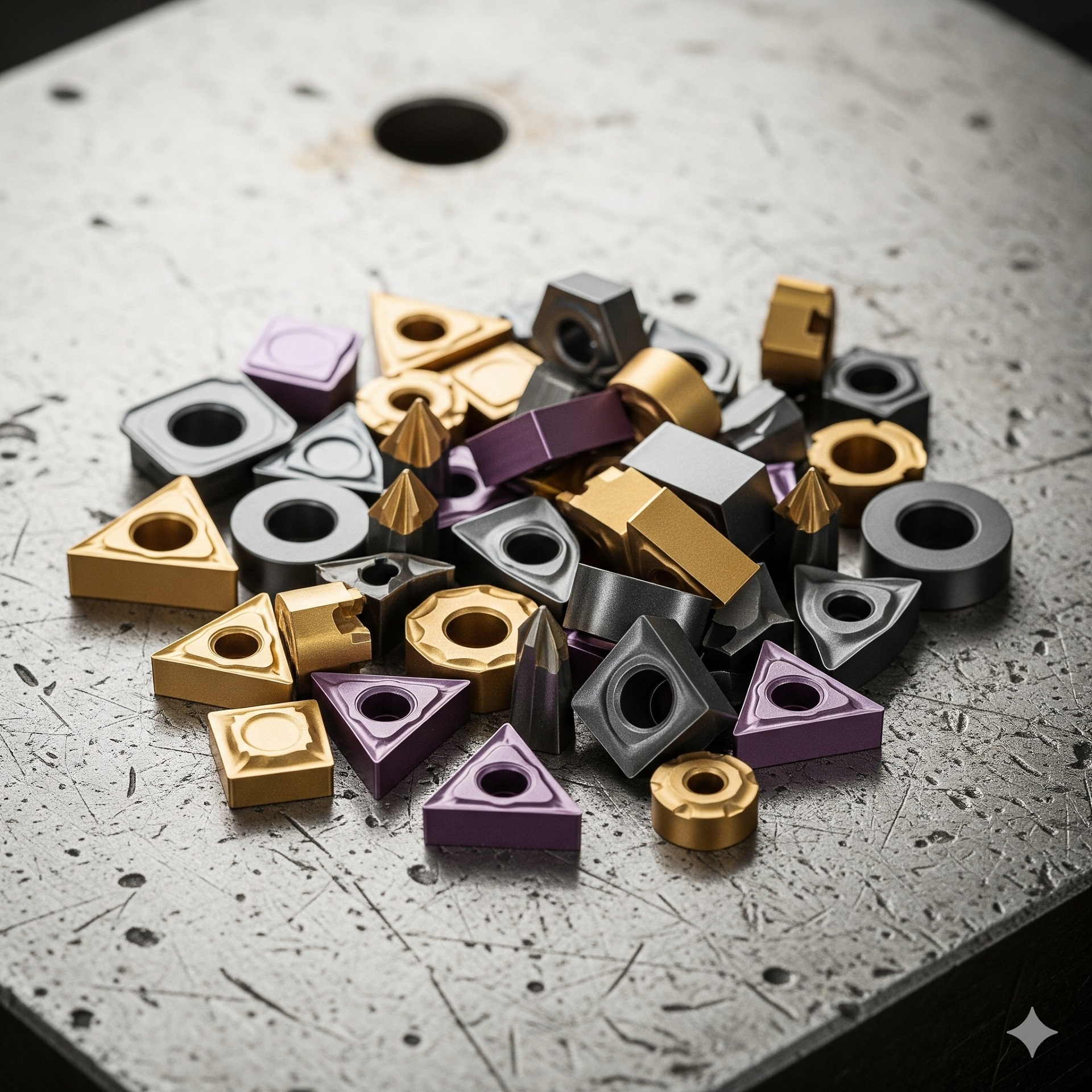
Modern Milling Inserts: How Coatings and Geometries Affect Cutting Performance
In the world of modern CNC machining, where every second and every micrometer matter, process efficiency is not a matter of chance. It is the result of precise component selection, and at the heart of every milling operation is the milling insert. Although it may seem like a small and simple component, its design contains advanced technologies that determine the speed, precision, and profitability of production. The two key factors that have taken modern cutting tools to a new level are cutting edge geometry and the type of coating applied to it. Understanding their role is the key to fully using the potential of CNC machines.
Read more >
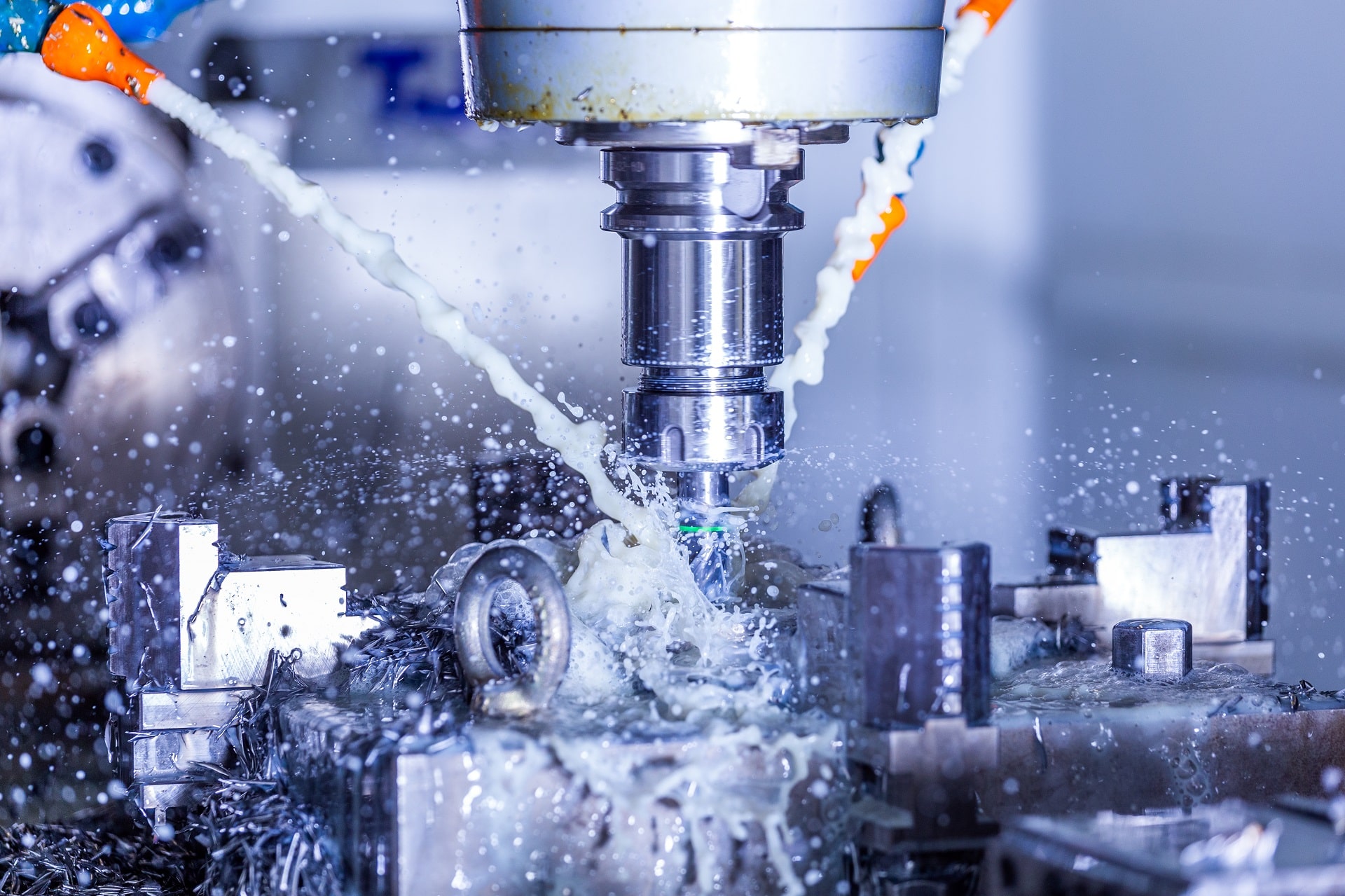
The Most Common Coolant Problems in CNC Machines and How to Avoid Them
Coolant in CNC machines is not only an element that supports the machining process, but a key fluid that determines part quality, tool life, and machine efficiency. Improper maintenance or selection of coolant for CNC machines can lead to a range of problems that generate additional costs and production downtime.
Read more >
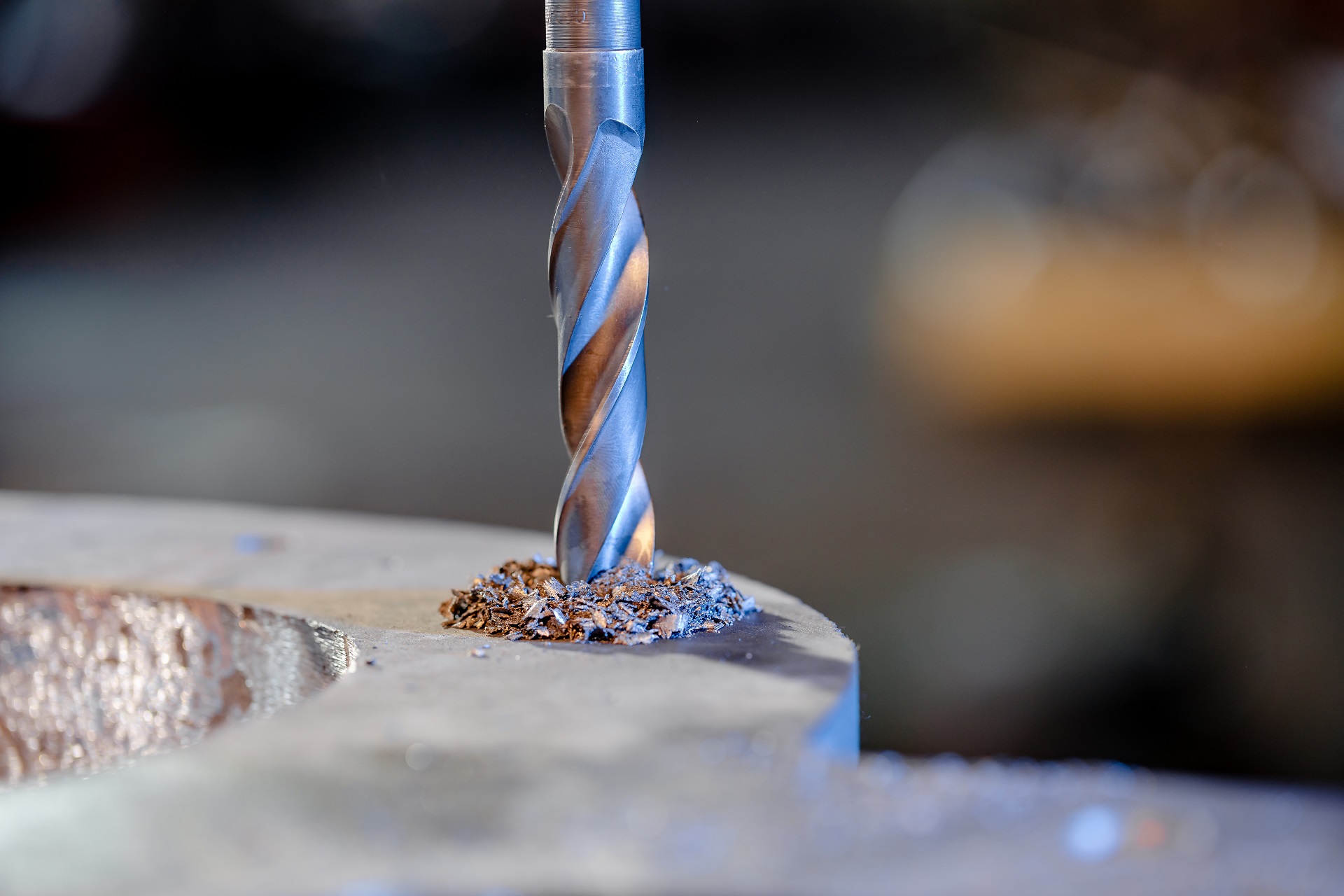
HSS Drills - Differences Between HSS-R, HSS-G and HSS-Co Drills
Choosing the right tool is the key to efficient and precise work in any workshop. In the world of cutting tools, HSS drills are an absolute staple. However, the abundance of symbols such as HSS-R, HSS-G or HSS-Co can be confusing. What do they mean? Which HSS drill should you choose for a specific task so that the work is efficient and the holes are perfect? In this article, we clear up all doubts.
Read more >

Technical Support Within Your Reach: Technar Regional Advisors
In modern industry, purchasing the right tool is only half the battle. The real challenges begin at the CNC machine: How do you select optimal parameters? How do you shorten cycle time without losing quality? What should you do when a problem appears while machining a new material?
Read more >
Current Promotions on Cutting Tools and Accessories - June 2025
At Technar Sp. z o.o., we constantly make sure that our customers have access to the highest-quality CNC tools, cutting tools, milling cutters, CNC drills and turning tools at the most attractive prices possible. We regularly prepare new promotions that allow you to expand your machine park and optimize production costs. Check what we have currently prepared!
Read more >
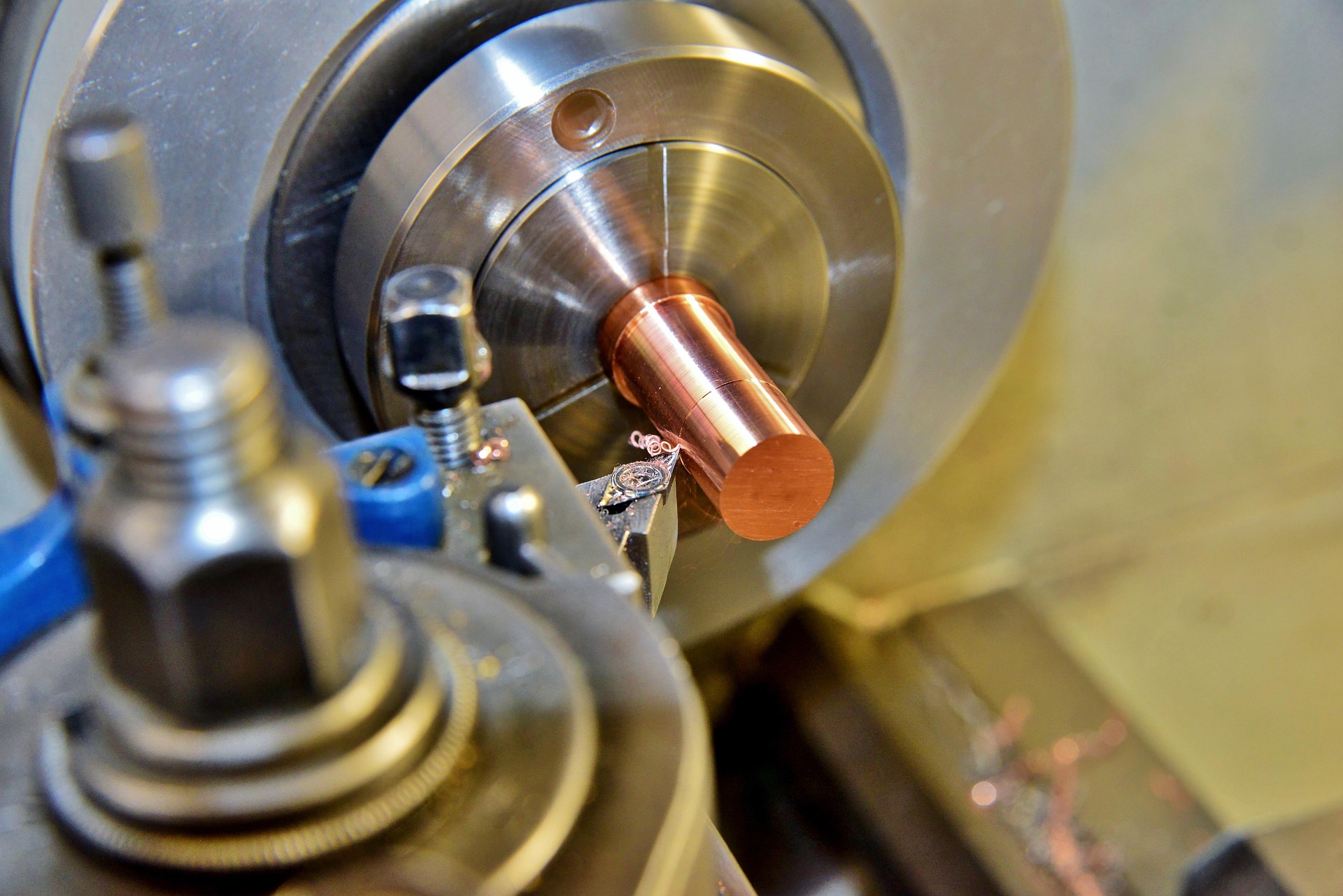
Indexable turning tools: Secrets of longer service life
In the world of modern CNC tools, indexable turning tools are the foundation of efficient and precise machining. Their greatest advantage is the ability to quickly replace a worn cutting edge without replacing the entire tool. However, even the best tool will not work for long or efficiently without proper care. Correct setup, regular inspection, and simple maintenance are the key to making full use of the potential offered by turning inserts and complete holders.
Read more >
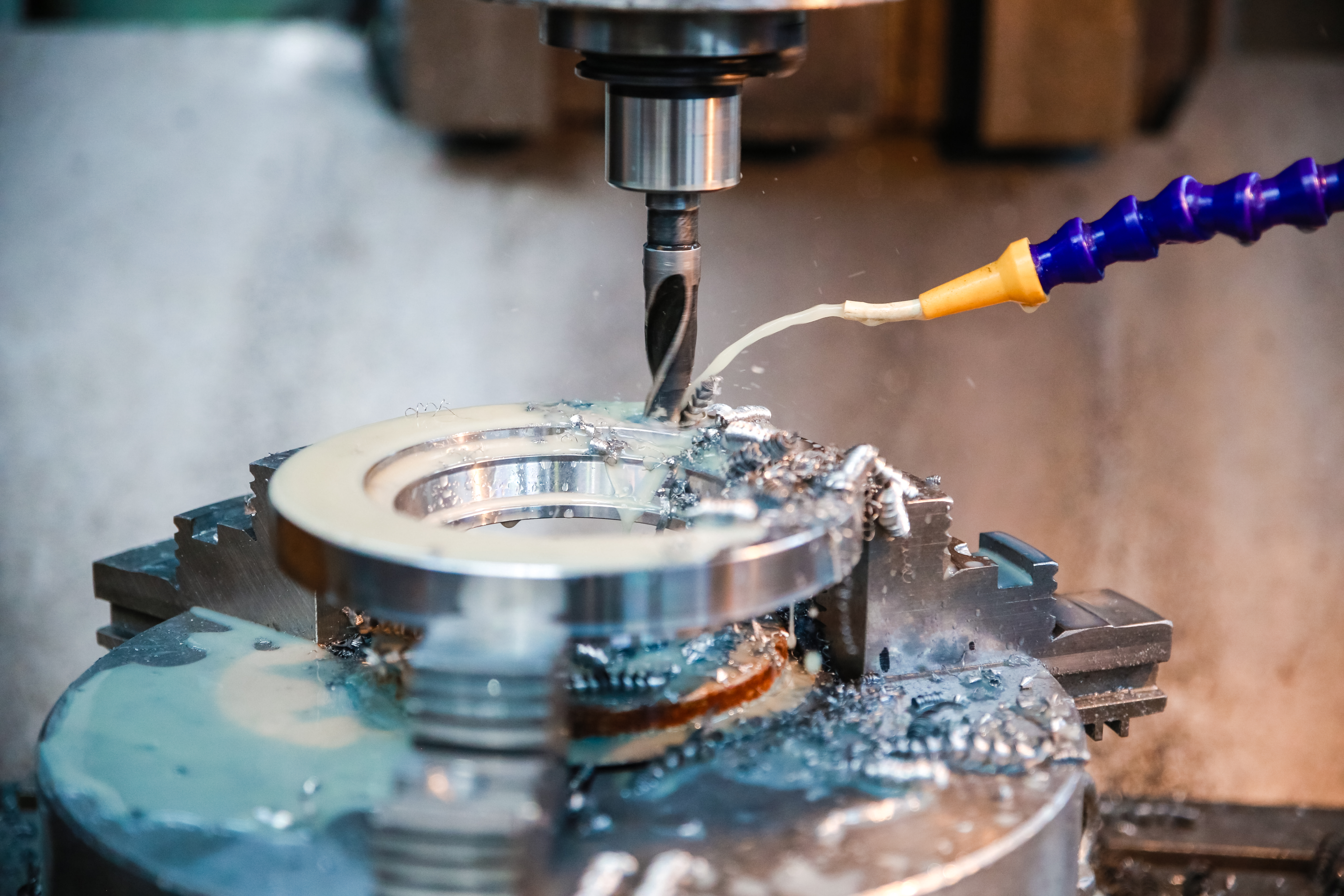
Coolant in CNC machining: More than just cooling - functions and importance
Modern CNC machining is a process that requires precision, efficiency, and attention to every detail. Among the many factors that influence the success of a cutting operation, such as tool selection, parameters, or machine stability, an often underestimated role is played by CNC coolant, also called metalworking fluid or cutting fluid. Although its primary function appears to be cooling, in reality its range of action is much broader and is critical to the quality, efficiency, and economics of the entire production process.
Read more >
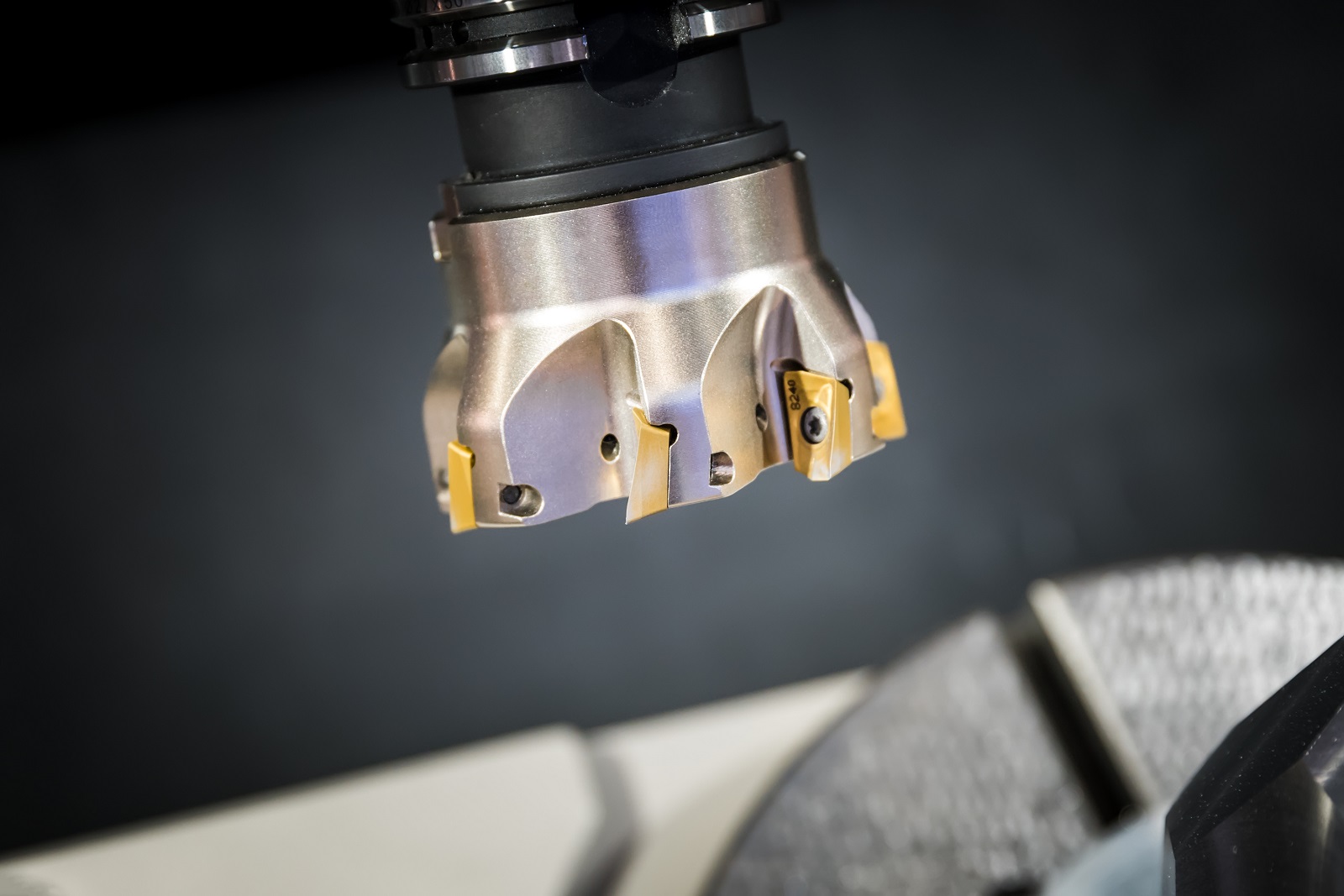
Milling inserts in machining strategy: serial production vs. one-off production
Milling inserts and other cutting tools are not only consumable components; they are one of the key factors affecting machining strategy, cycle times, and the final cost of a part.
Read more >
CNC Reamers: Precise Hole Finishing Step by Step
In the world of modern machining, precision matters at every stage. One of the key tools that makes it possible to achieve a perfect hole finish is the CNC reamer. Although they often remain in the shadow of more spectacular tools, they are responsible for the final finishing touch that makes the difference.
Read more >
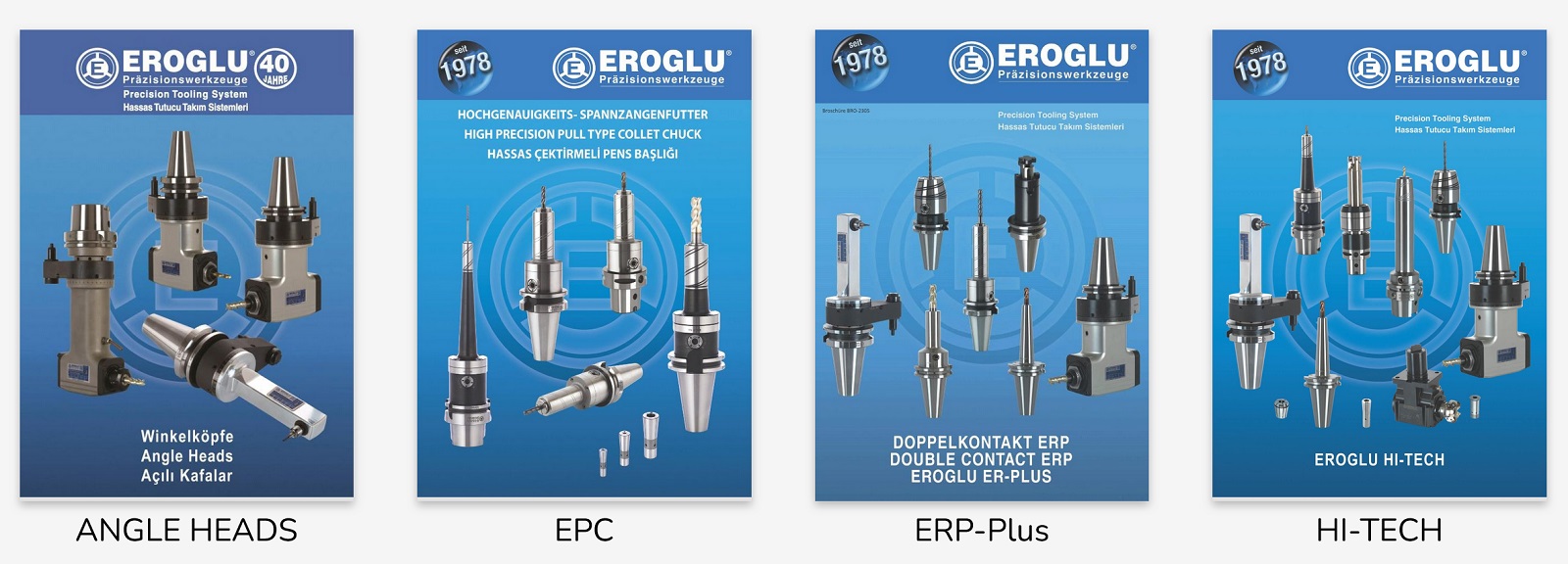
Driven and Angle Tool Holders: What Is Worth Knowing?
In the world of modern CNC machining, precision and efficiency are essential. As parts become more complex and production requirements increase, there is a need for tools that go beyond the standard capabilities of lathes and milling centers. This is where driven and angle tool holders come in, expanding the machine's range of capabilities and significantly increasing machining flexibility.
Read more >
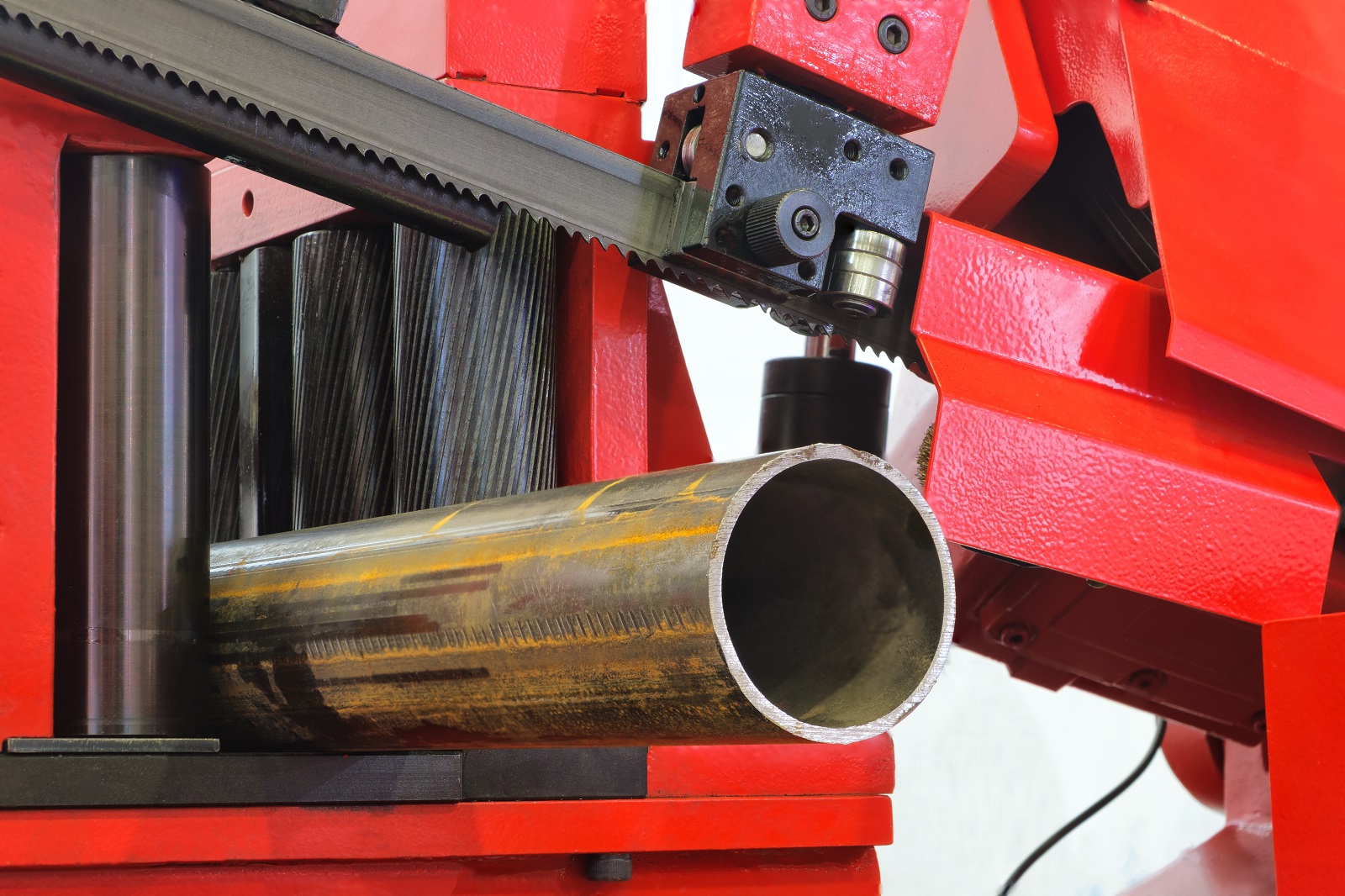
Band Saws: Different Types and Their Industrial Applications
Band saws are indispensable tools in many industrial and craft sectors. Depending on the application and the type of material being processed, several types of band saws can be distinguished. The most popular include bimetal band saws, carbide-tipped saws, diamond saws, and saws made of high-carbon steel. Each of these types has its own unique properties and applications.
Read more >
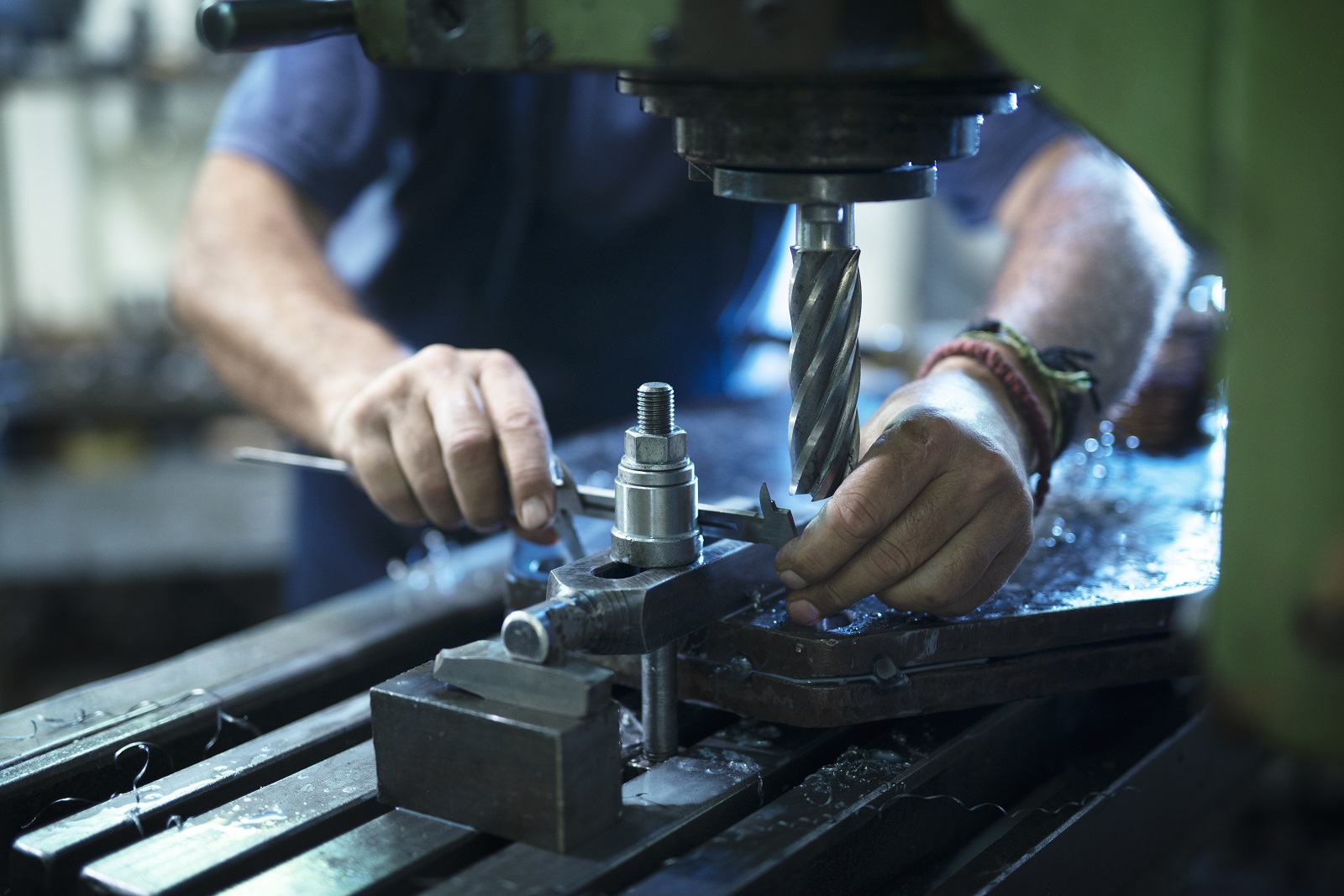
How to Care for Measuring Tools So They Last as Long as Possible?
Precision plays a major role in machining, and dimensional accuracy has a direct impact on the quality of the final product. This is why measuring tools play such an important role in industry. Regular maintenance and proper use of these instruments help prevent measurement errors and extend their service life.
Read more >
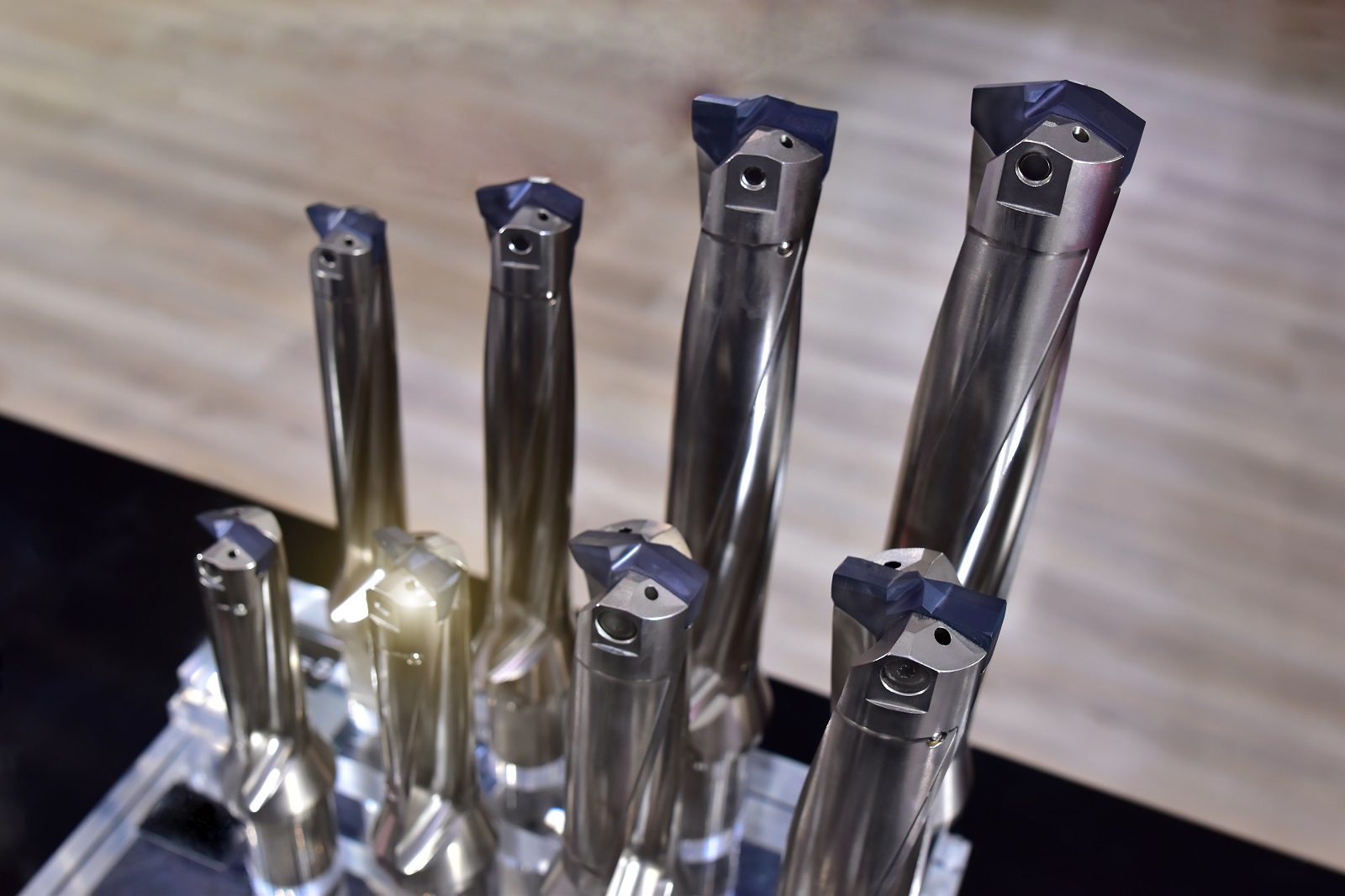
How to Increase the Durability of Indexable Drill Inserts?
Indexable drills are among the most popular tools in CNC machining, used in the automotive and aerospace industries as well as in many other sectors. Thanks to replaceable cutting inserts, they enable economical drilling without the need to frequently replace the entire tool. However, to ensure maximum performance and durability, it is essential to select the right machining parameters. In this article, we present proven methods that will help extend the service life of drilling inserts and improve machining quality.
Read more >
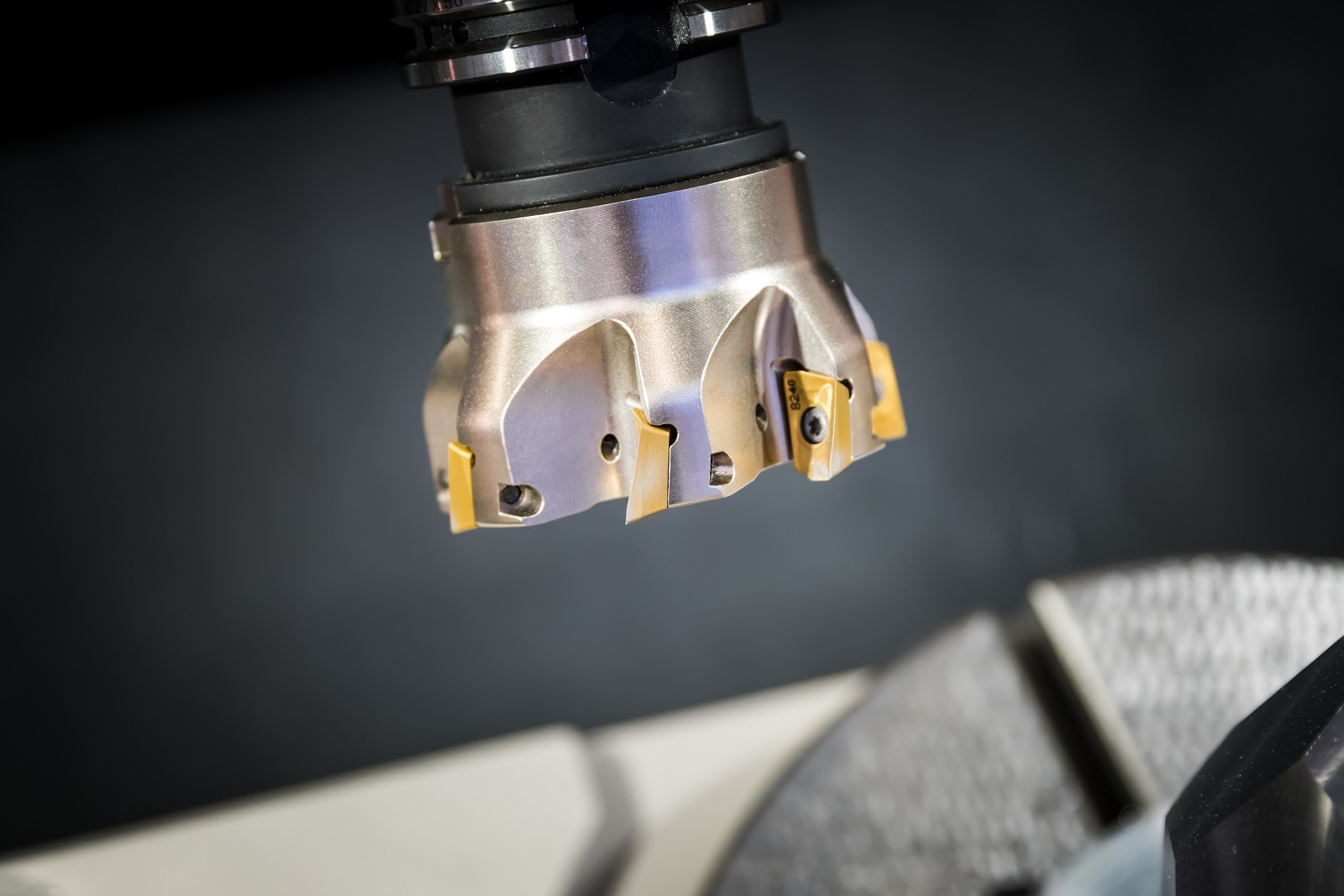
CNC Milling Tools: How to Maintain Their Durability and Performance?
CNC milling tools are undoubtedly an important element of an efficiently operating manufacturing company. To ensure their long service life and maximum efficiency, it is worth taking care of their proper maintenance and use. In this article, we explain how to care for a milling cutter body, milling inserts, and other milling tools so that they work as long as possible and maintain high machining quality.
Read more >
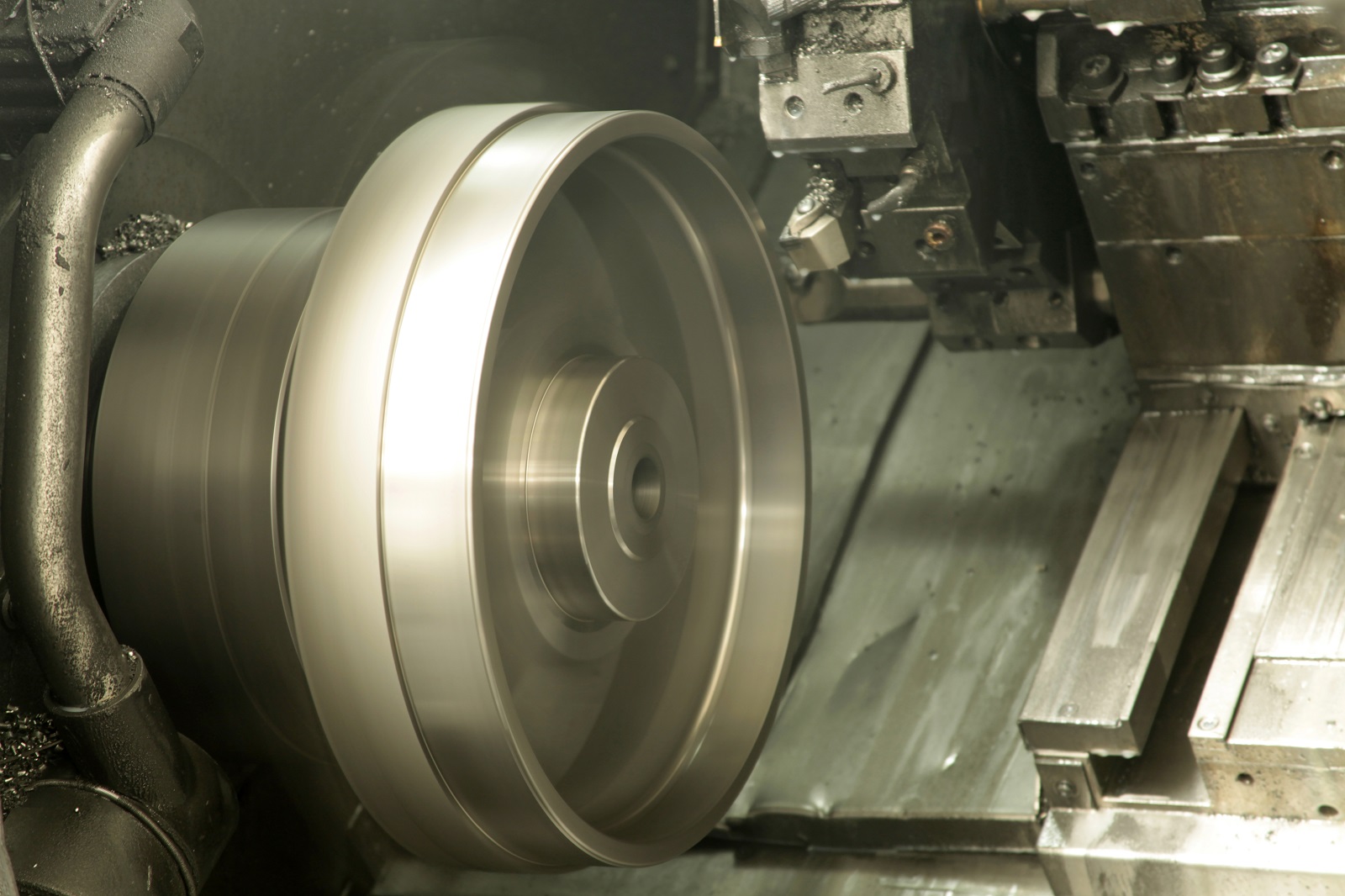
Turning tools and machining efficiency - what should you look for when buying?
Turning tools are essential tools used in machining, with a direct impact on the quality, precision, and efficiency of the turning process. Choosing the right turning tools and using them properly can significantly increase production efficiency and reduce tooling costs.
Read more >
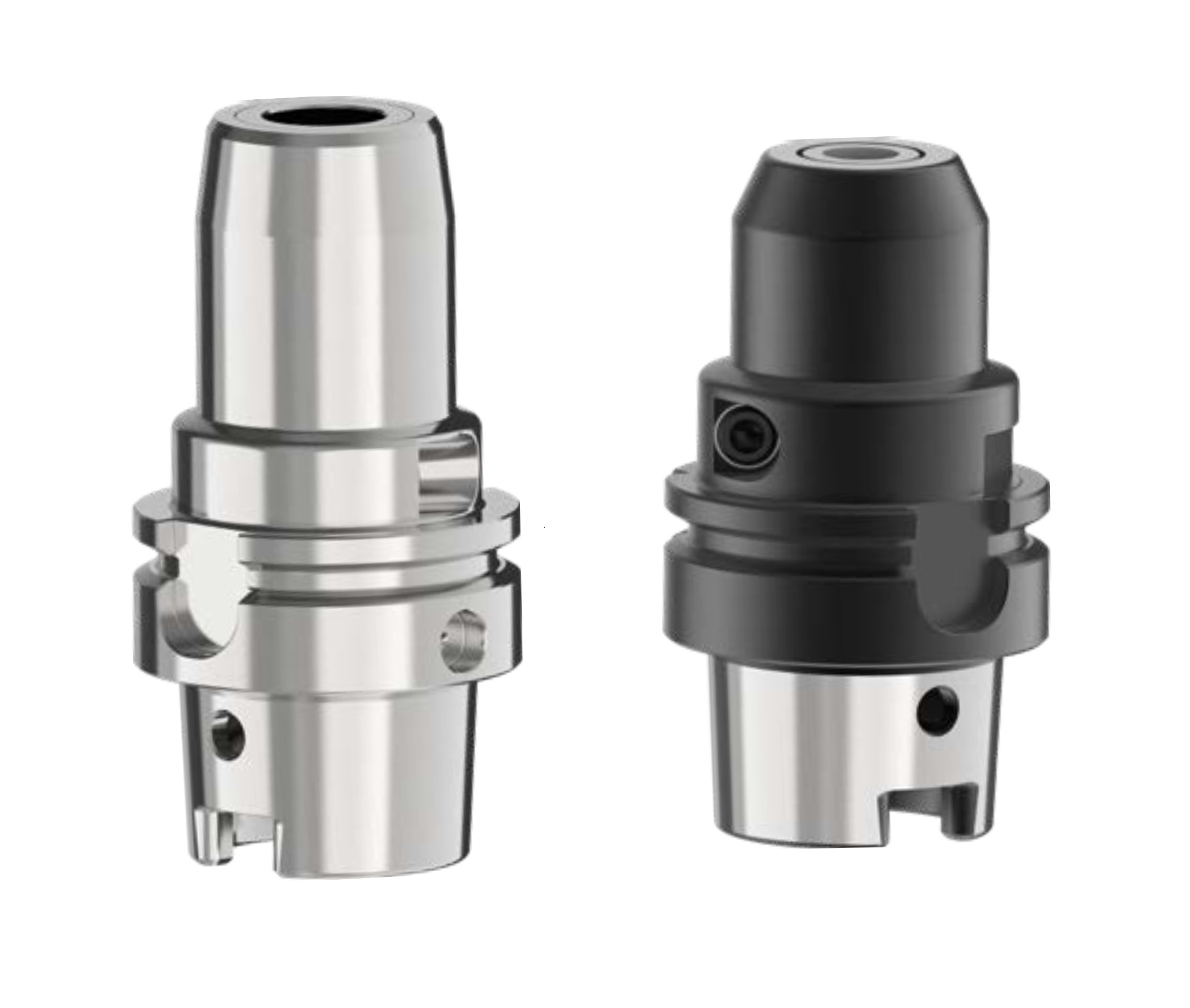
Hydrochuck - a modern tool holder for precision machining
In machining, where precision, stability, and vibration minimization matter, choosing the right tool holder is crucial. One of the most technologically advanced solutions is Hydrochuck - a hydraulic holder that guarantees excellent tool clamping and improves machining quality.
Read more >
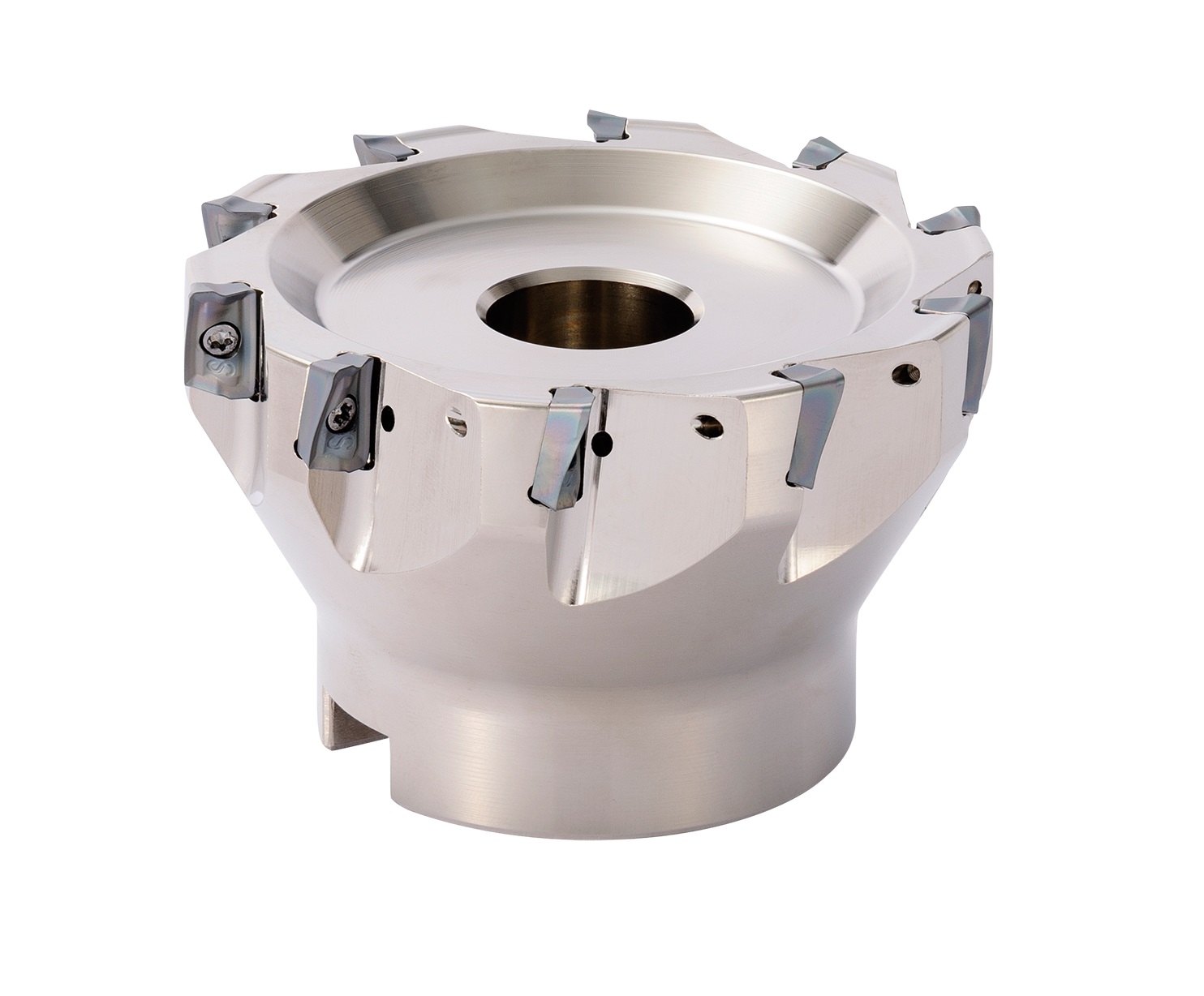
Types of materials used in the production of milling cutter heads
CNC milling cutter heads are a key element in the machining process, where tool precision and durability are extremely important for the final result. Choosing the right materials for the production of milling cutter heads is the basis for their performance, wear resistance, and efficiency when machining various materials. Let us look at the most popular materials used in the production of these tools.
Read more >
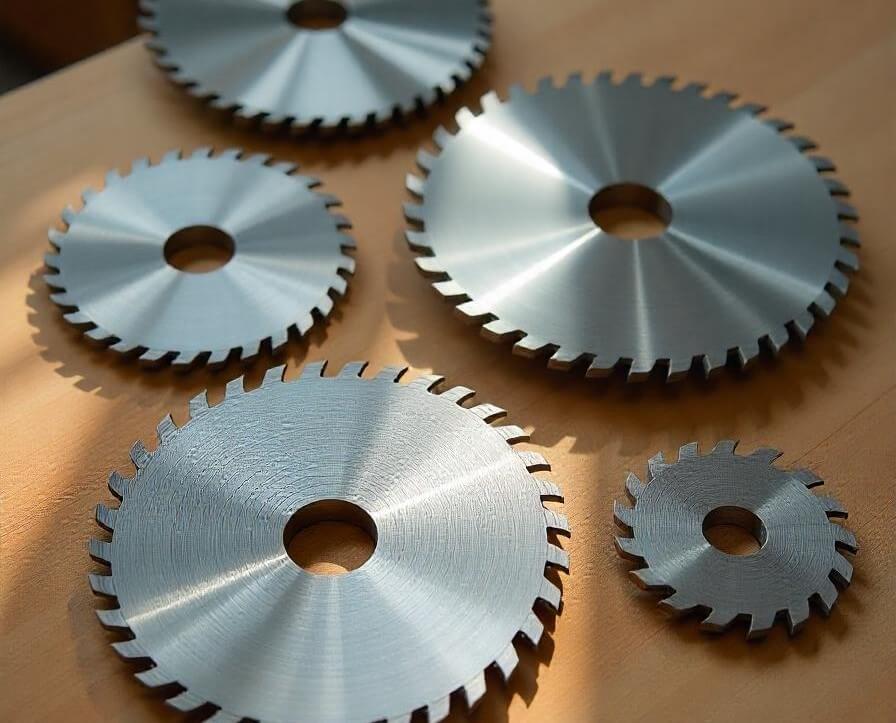
CNC slitting saw cutters - characteristics, types and applications
Slitting saw cutters are specialized tools used in CNC machine tools for precise cutting, parting and shaping of materials. They feature a disc-shaped design with teeth arranged around the circumference, giving them the characteristics of both classic circular saws and milling cutters. Thanks to their versatility and precision, they are widely used in many branches of industry.
Read more >
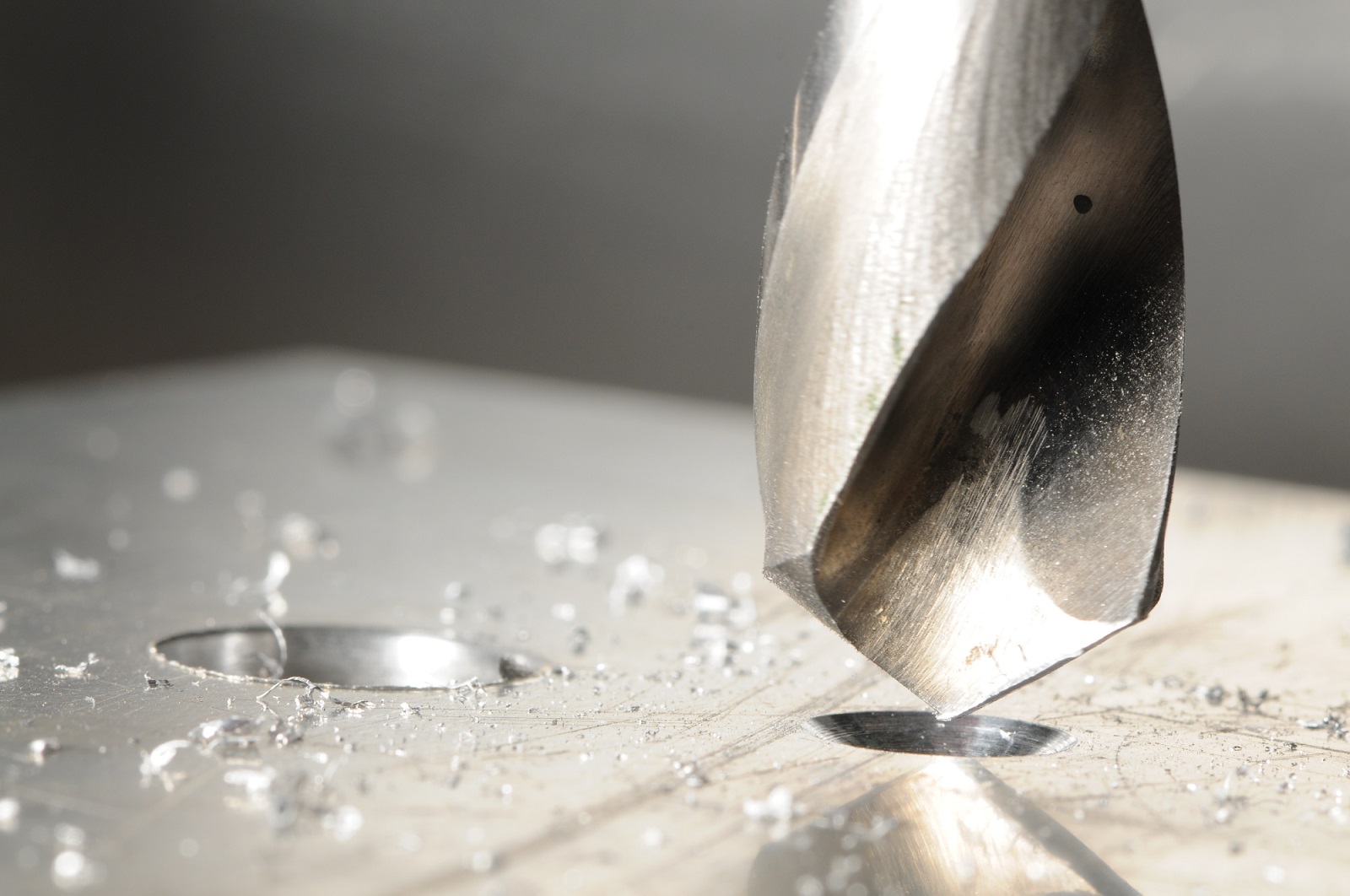
CNC center drills: precise drilling of starter holes
CNC center drills are unquestionably important tools used in CNC drilling processes. Their primary task is to prepare a starter hole that enables correct drill guidance and ensures axial alignment and stability during further drilling.
Read more >
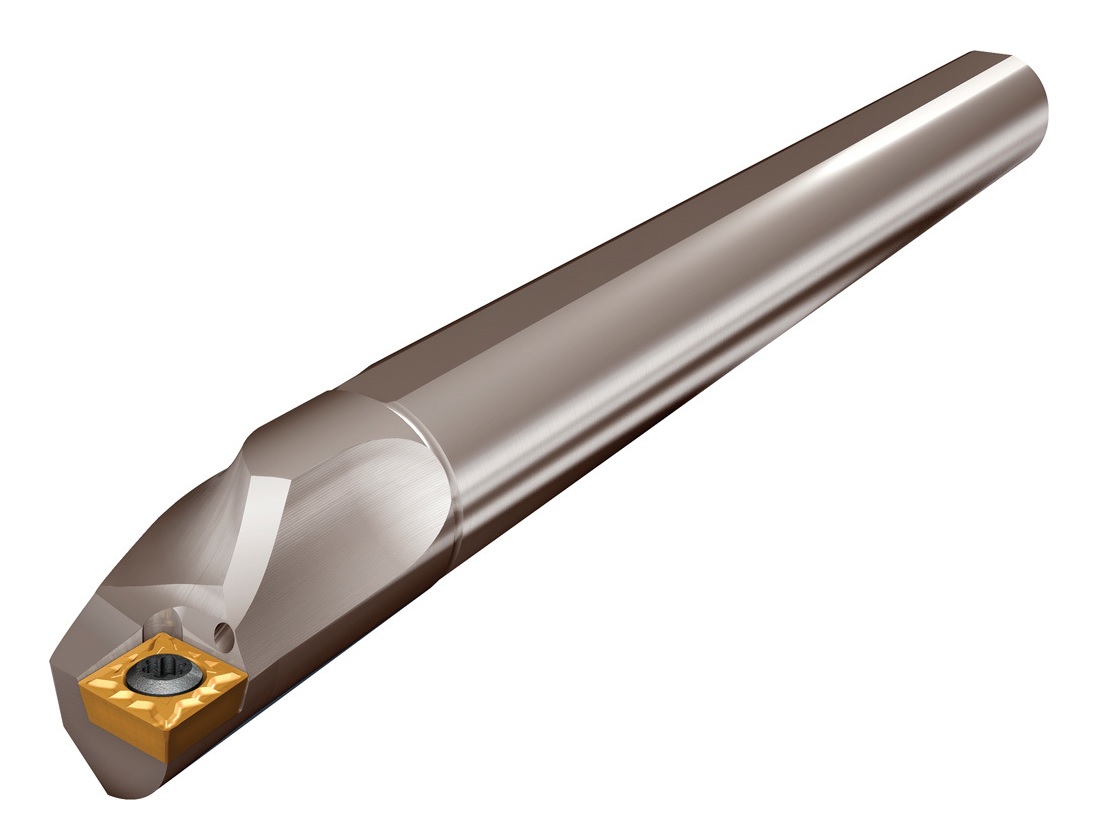
Cutting tools and turning holders - why does their fit matter?
In the modern metalworking industry, the precision and efficiency of technological processes are crucial. One of the most important aspects ensuring success in this field is the correct matching of cutting tools to turning holders. This cooperation between equipment components guarantees stability, safety and optimum machining quality.
Read more >
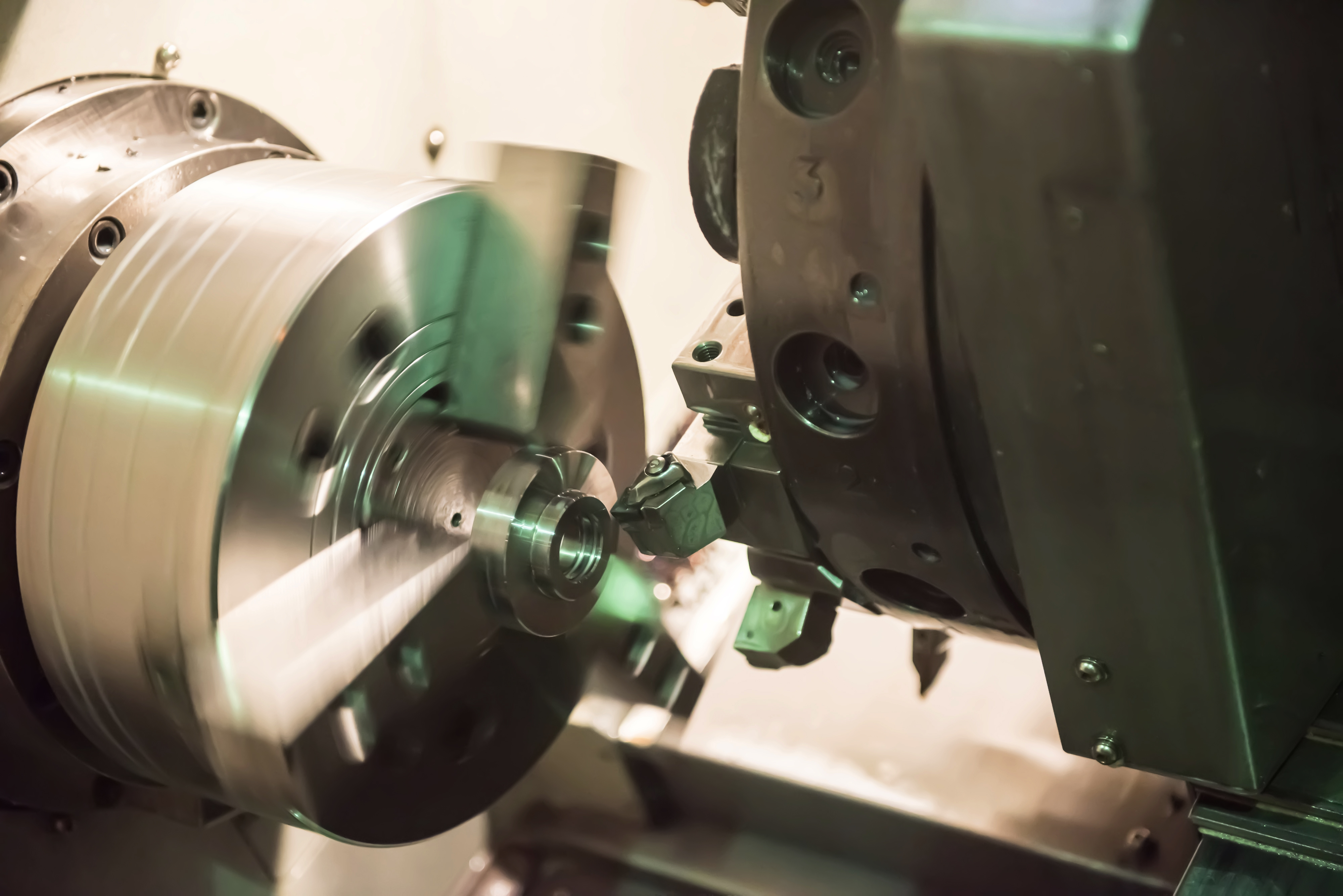
Tool Materials in Lathe Tool Production - Comparison
Lathe tools and turning inserts are fundamental cutting tools used in CNC machine tools. The precision, efficiency, and durability of the entire production process depend on their quality and proper matching to the type of machining. In this article, we discuss in detail the most commonly used tool materials, their properties, applications, and the benefits they offer in different working conditions.
Read more >

Applications of HSS-Co Drills in the Automotive and Aerospace Industries
In the automotive and aerospace industries, the precision, durability, and efficiency of machining tools play a key role. Drills made from HSS-Co high-speed steel (High-Speed Steel with cobalt addition) have become an indispensable solution in these sectors, offering exceptional properties that perform perfectly when machining demanding materials.
Read more >
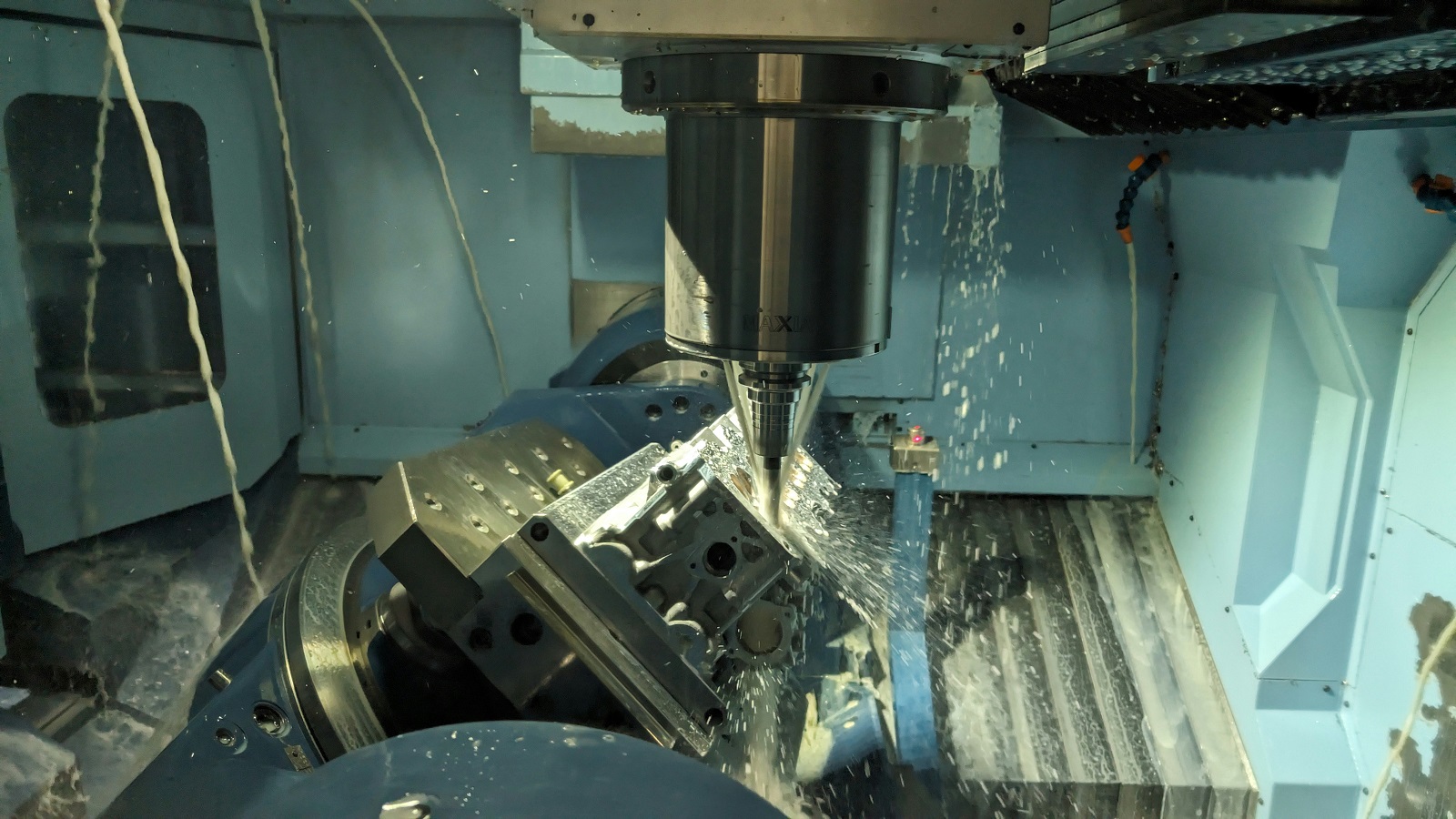
The Role of Eco-Friendly CNC Coolants in Industry
In an era of growing environmental awareness, more and more companies are looking for solutions that allow them to combine production efficiency with care for the environment. Eco-friendly coolants are becoming an increasingly popular choice in modern industrial plants. They not only fulfill their basic technological functions, but also add value through safe use and minimization of negative environmental impact.
Read more >
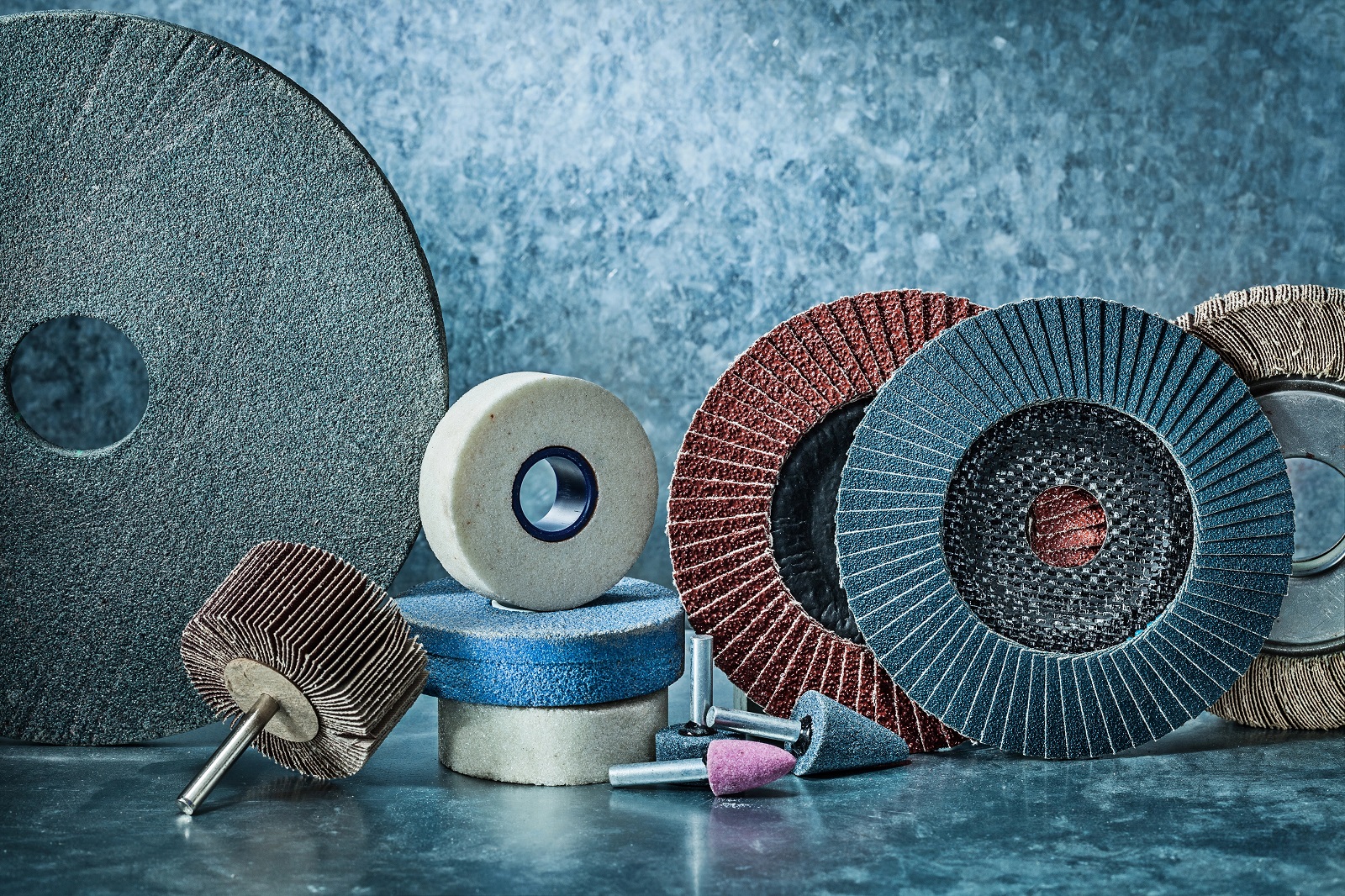
Abrasive Tools in CNC Machining: Resin-Bonded, Vitrified, and Semi-Flexible - Which Should You Choose for Your Production?
CNC machining is a process that requires precision and advanced technologies, especially in the context of finishing part surfaces. Abrasive tools such as grinding wheels play a key role in ensuring proper surface quality, tool durability, and production efficiency. Choosing the right type of abrasive tools depends on the machined material, required precision, and the specifics of the given technological process. In this article, we will look at three main types of abrasive tools: resin-bonded abrasive tools, vitrified-bonded abrasive tools, and semi-flexible abrasive tools.
Read more >
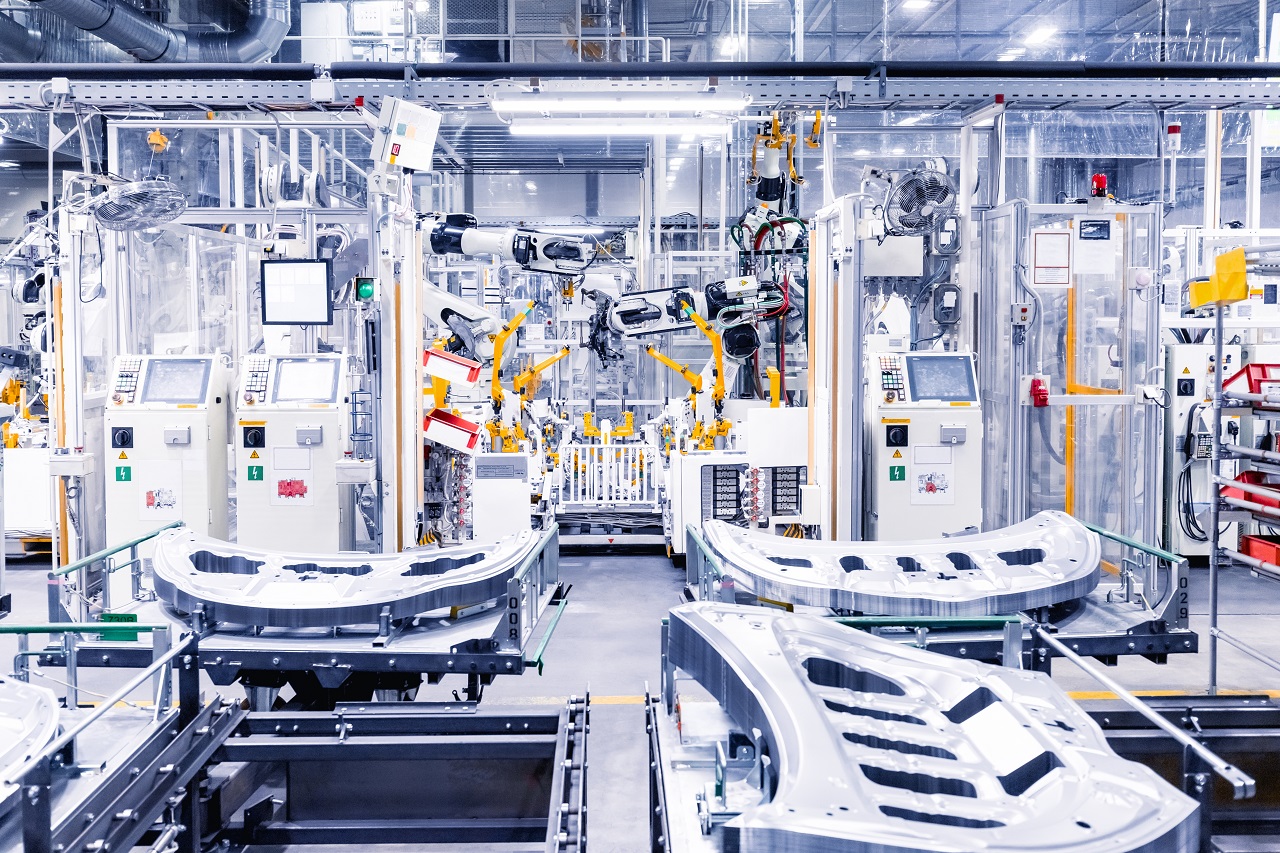
Investment in quality - why a company needs high-quality CNC tools
In today's industrial reality, where both production efficiency and precision matter, investing in high-quality CNC tools has become an essential element of many companies' strategies. Industry is focusing on automation and error minimization, which is particularly important for precise operations such as turning, milling, and cutting. High-quality CNC tools, turning tools, and cutting tools are investments that can significantly affect the quality of final products and also improve a company's efficiency and profitability.
Read more >
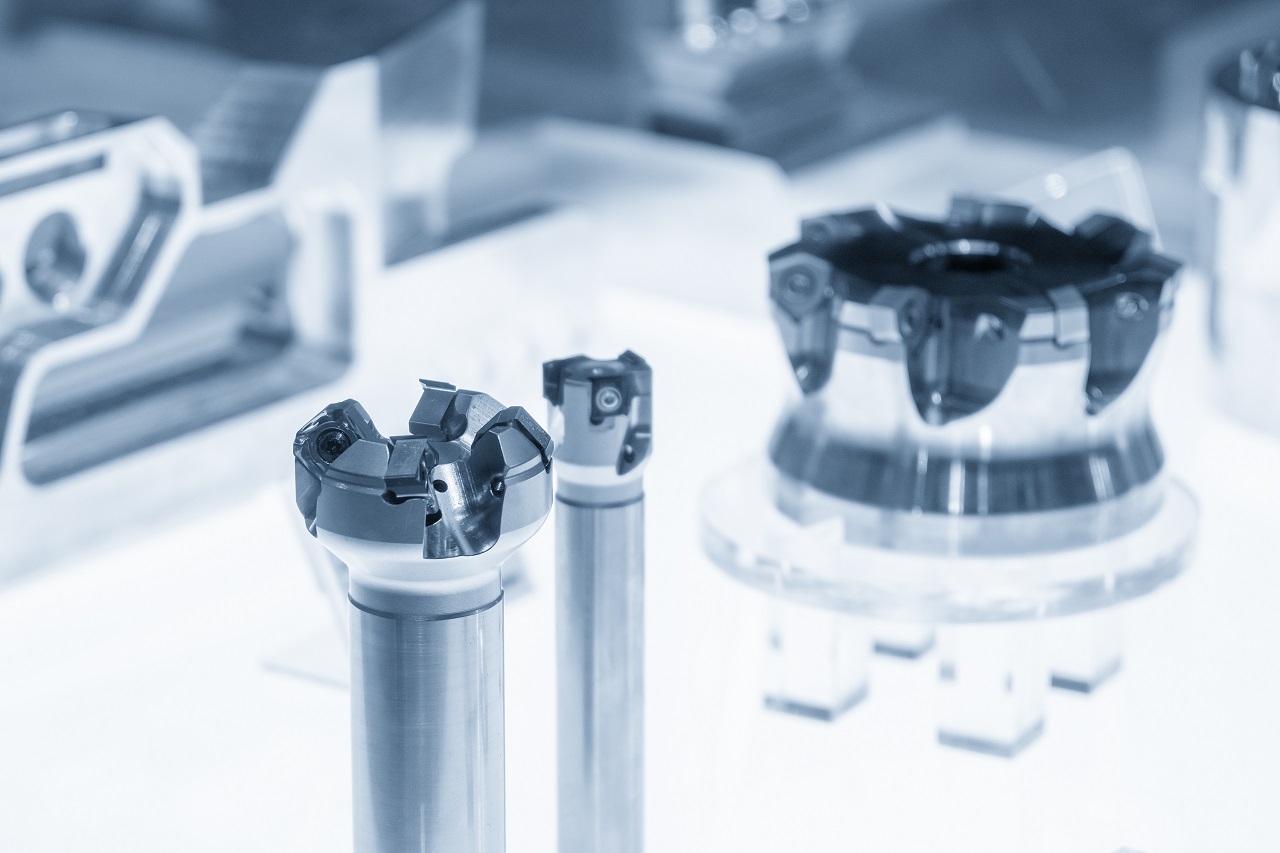
CNC milling tools - manufacturers in our offer
Milling tools such as solid end mills and milling inserts play a key role in machining processes on CNC machine tools, ensuring precision and efficiency in the production of metal and plastic components. Choosing the right tools directly affects the quality of manufactured parts and the durability of the machines themselves. In this article, we will present the most important types of milling tools available in our offer, as well as some of the leading manufacturers we work with to deliver top-class products.
Read more >
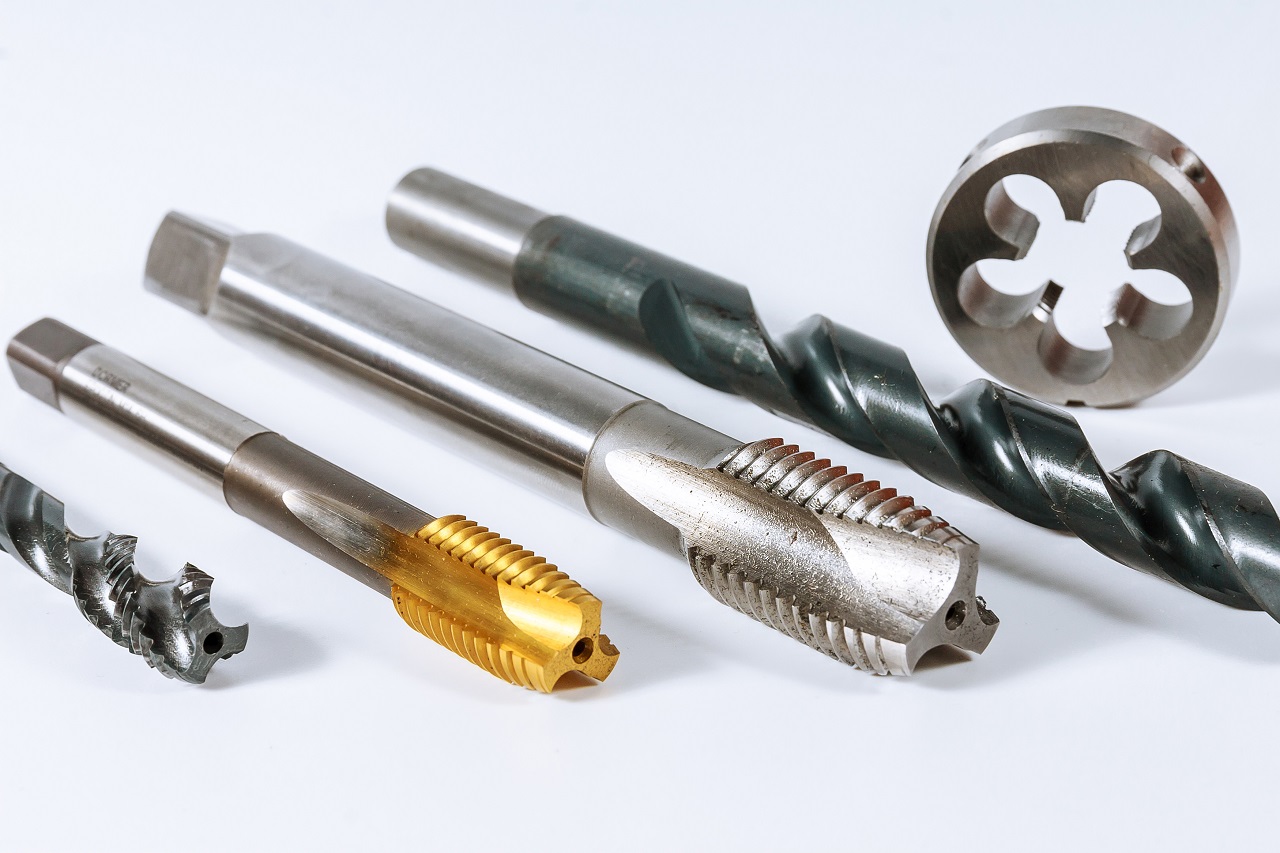
How to avoid tap breakage in CNC machining?
Threading is one of the key machining processes, requiring high precision and the right tools. Tap breakage is one of the most common problems during CNC machining, and its consequences can be costly - from damage to the workpiece material to the need to replace the tool.
Read more >

Turning inserts in specialist applications
The modern CNC machining industry is developing dynamically, and demand for tools with high precision and durability continues to grow. In specialized sectors such as aerospace, energy, medical, and automotive, cutting processes must meet very strict requirements for precision, efficiency, and tool durability. Turning inserts play a key role in these applications, enabling efficient machining of demanding materials.
Read more >
Indexable CNC drills - an efficient solution for precision drilling
Indexable CNC tools are undoubtedly a type of tooling that is becoming increasingly popular in the machining industry. Indexable drills consist of a drill body and replaceable inserts, which gives them a significant advantage over traditional solid tools. This makes it possible to adapt the tool to different tasks, increasing work efficiency and reducing the costs associated with purchasing new drills.
Read more >
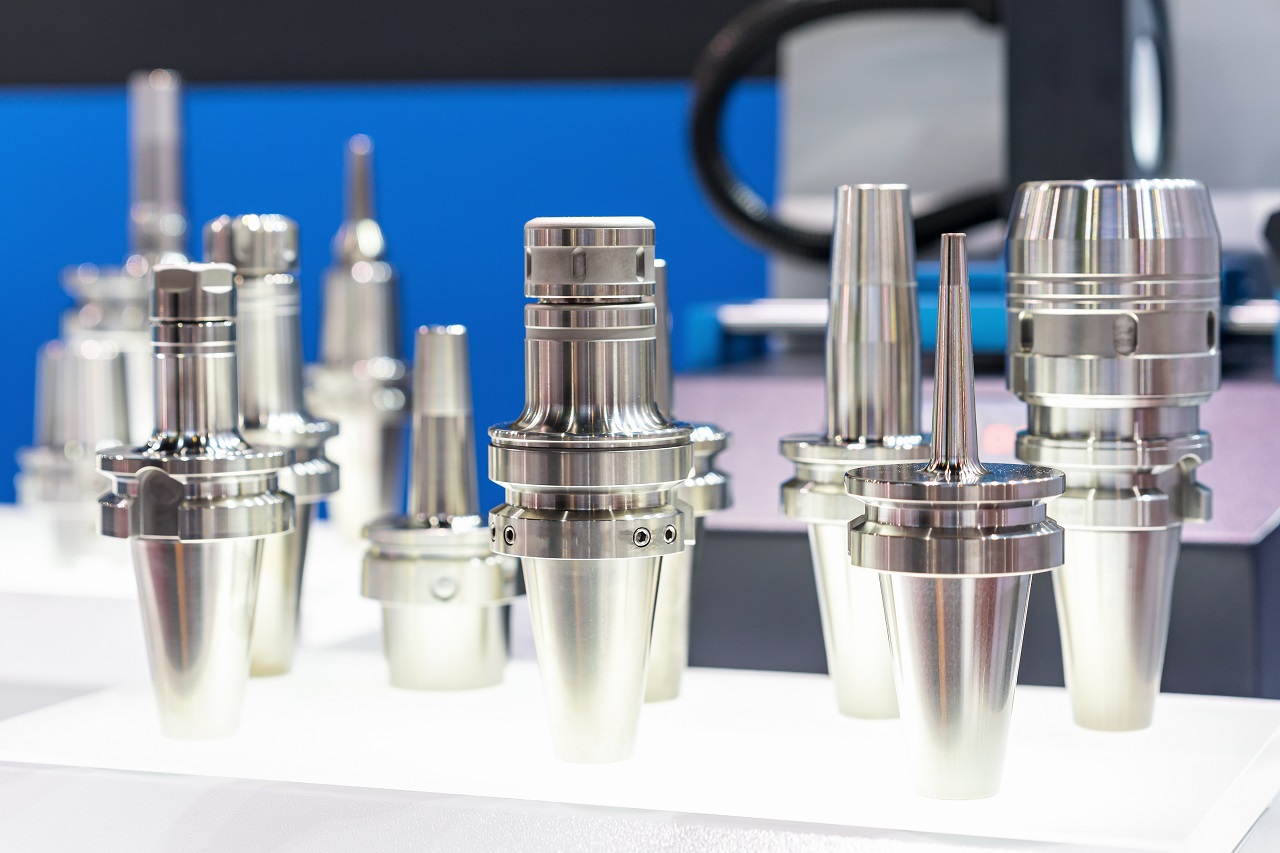
CNC toolholders and machining process stability: how to avoid vibration and play?
In machining processes, tool stability is one of the key factors affecting production quality, precision, and efficiency. Vibrations and play can lead to many problems, such as tool wear, reduced surface quality, and even damage to the workpiece material. The proper selection of toolholders is fundamental to ensuring tool stability and minimizing the risk of vibration.
Read more >
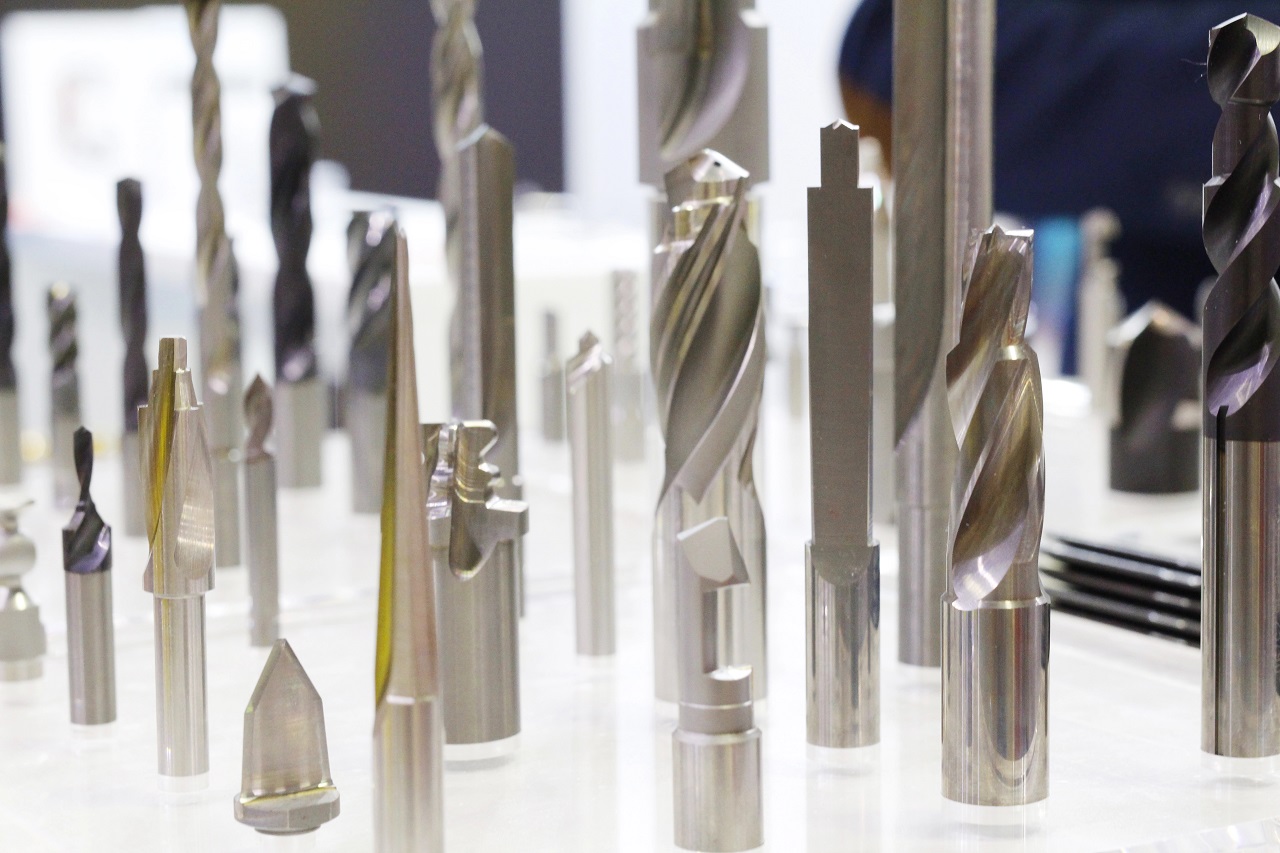
Application of solid end mills in machining difficult-to-machine materials
Machining difficult-to-machine materials, such as stainless steel, titanium, nickel, or composites, places exceptionally high demands on cutting tools. In such cases, solid end mills, made from a single piece of material, become the tool of first choice. Thanks to their strength, precision, and various geometry options, this type of CNC milling cutter handles the challenges posed by hard and difficult-to-machine materials perfectly.
Read more >
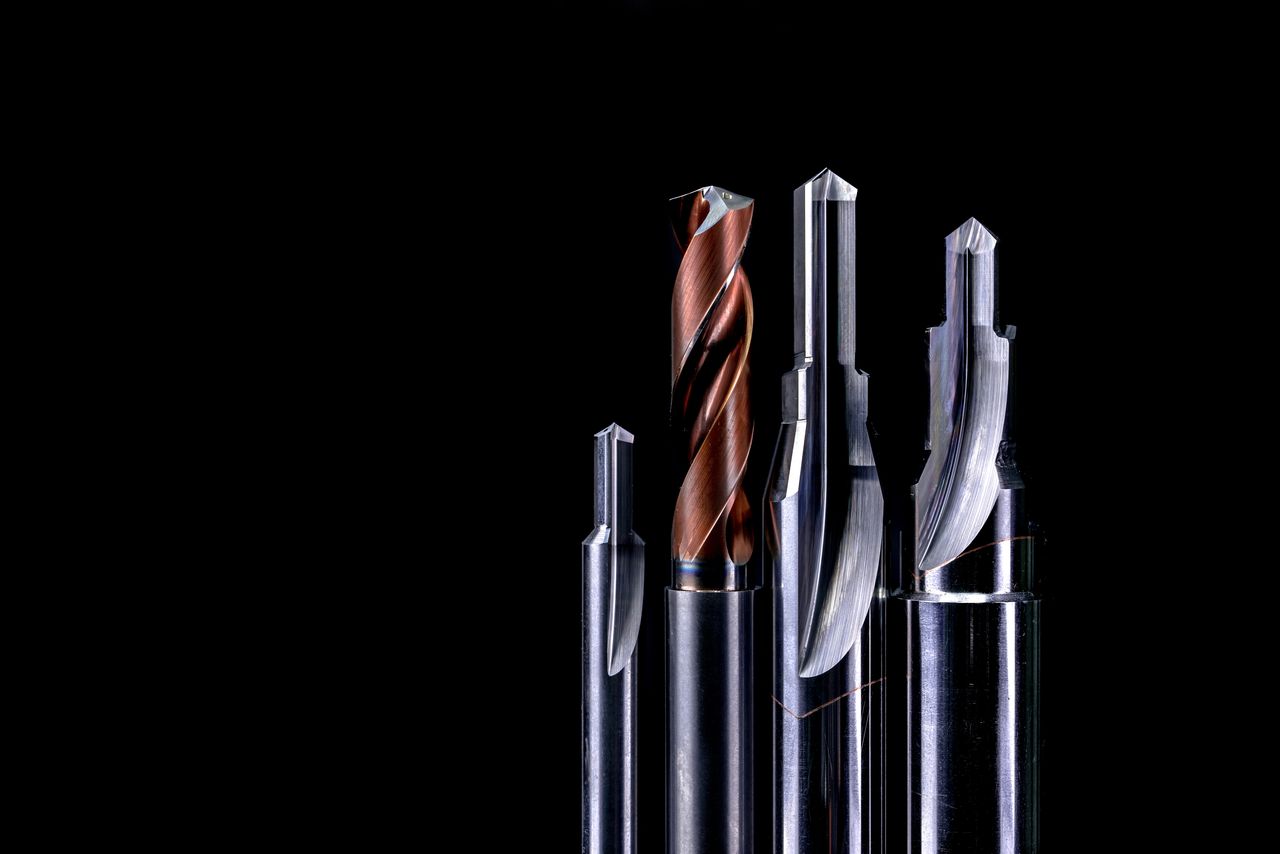
Special tools for machining: advantages and applications
In the dynamically developing machining industry, precision, efficiency, and reliability are the main elements that determine the success of a manufacturing company. Standard CNC tools, although extremely versatile, are not always able to meet the specific requirements of complex production processes. In such cases, special tools for machining come to the rescue. They are designed and manufactured to order to meet specific customer needs.
Read more >
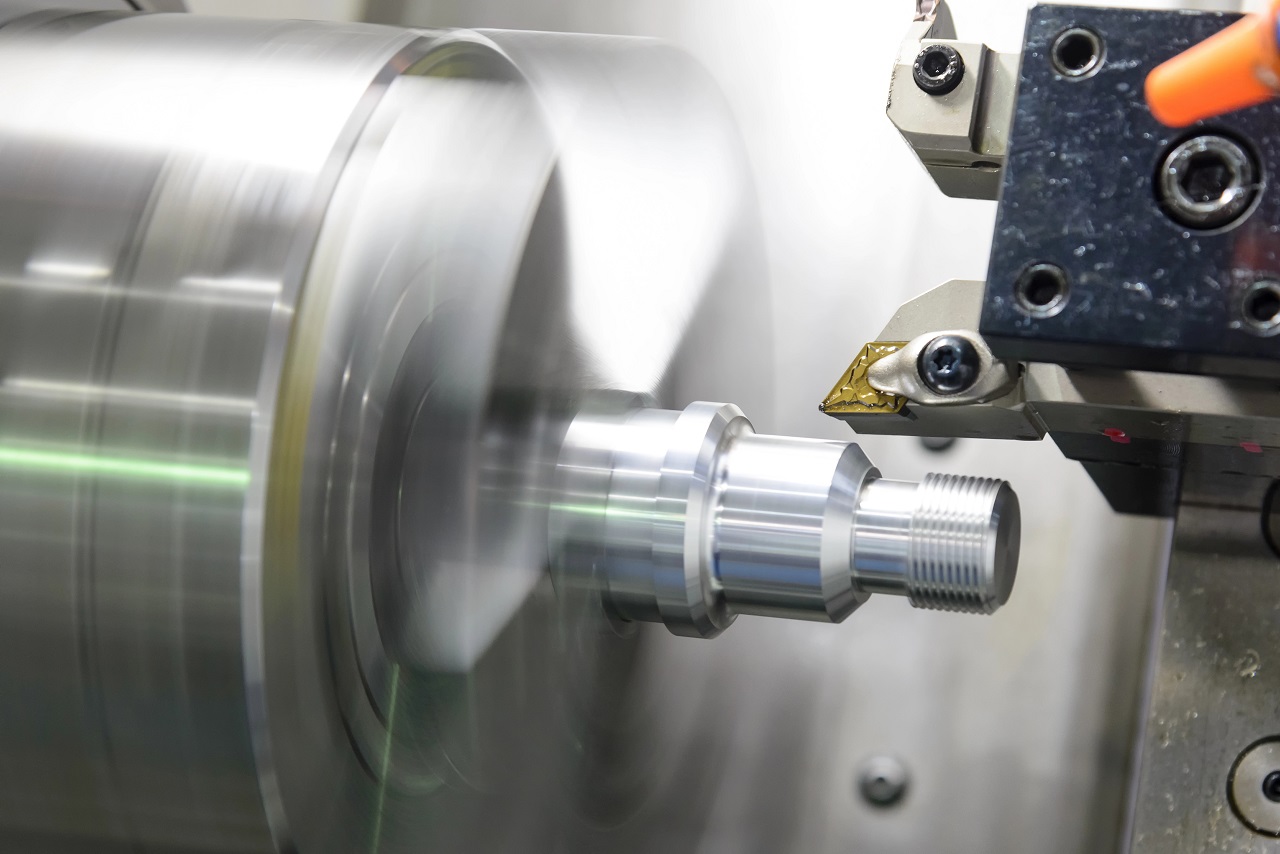
The Impact of Turning Insert Geometry on Machining Quality
In CNC machining, precision and surface quality are extremely important for achieving excellent accuracy results. One of the key factors affecting these parameters is the geometry of the turning insert. The shape and rake angle of turning inserts have a direct impact on the machining process and the quality of the resulting surface. In this article, we look at how different aspects of turning insert geometry affect the performance of cutting tools and what benefits can be achieved through the right selection of these tools.
Read more >

Machining in the Aerospace Industry - Requirements and Challenges
The aerospace industry is one of the most advanced and demanding sectors, where precision, reliability and quality are absolutely critical. Machining plays a fundamental role in the production of components with complex shapes and high accuracy.
Read more >
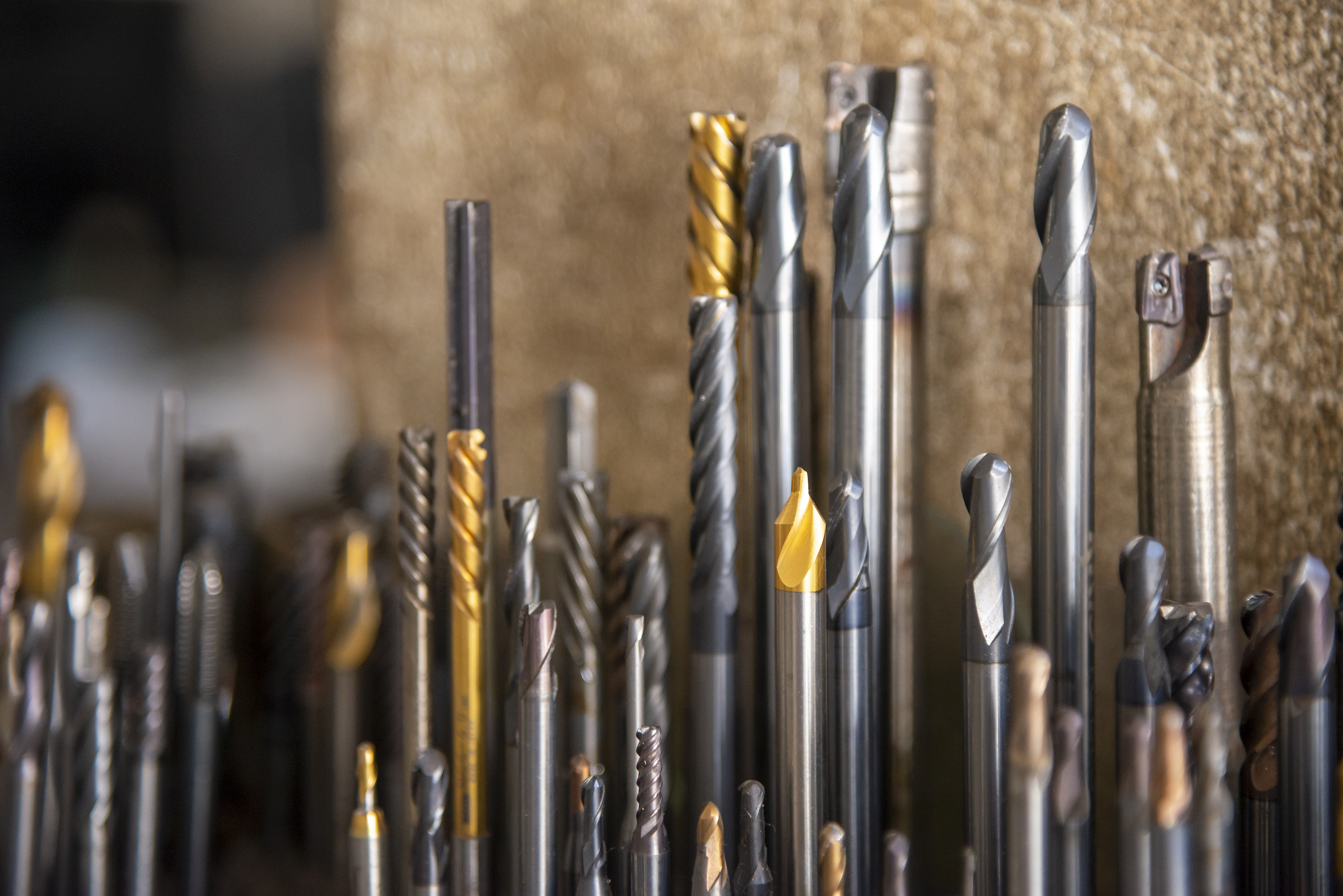
Durable and Versatile Carbide Cutting Tools
Carbide tools have become the foundation of modern CNC machining, offering unmatched performance, durability and precision. These advanced tools are indispensable in many industrial applications, enabling the machining of a wide range of materials with excellent results. In this article, we look at why carbide tools are so important in machining, what benefits they provide and how they can be used to maximize production efficiency.
Read more >

Ecology and CNC - How Modern Tools Help Sustainable Development
Nowadays, more and more industrial companies are focusing on sustainable development and ecological solutions. The CNC machine tool industry is no exception. Modern cutting tools and machine tool accessories not only increase production efficiency, but also help reduce negative environmental impact.
Read more >
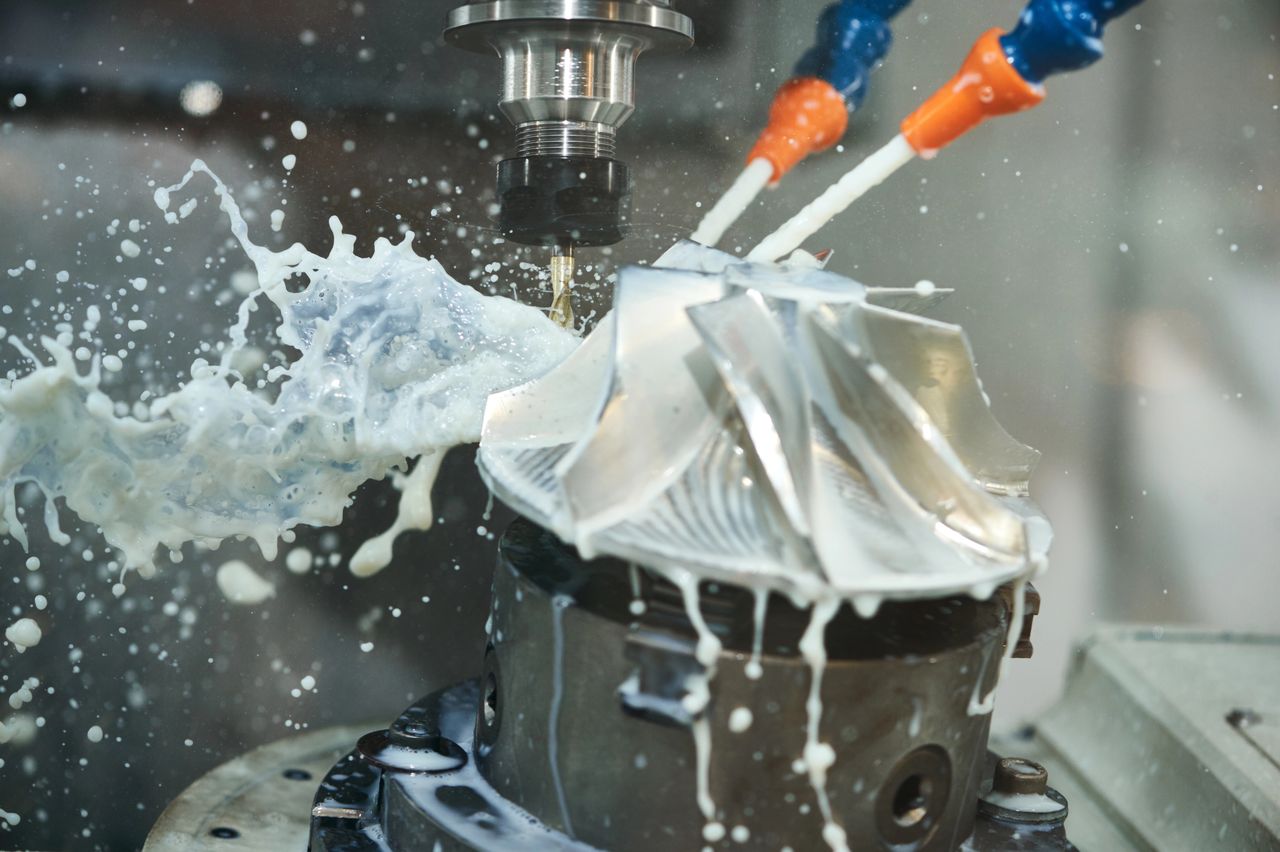
Toolholding equipment and accessories for CNC machine tools available from Technar
Toolholding equipment and accessories for CNC machine tools are essential products for every manufacturing plant that uses this type of machinery in the machining process. The toolholding equipment and accessories available in our offer include a wide range of products, from various types of tool holders, through toolholders, arbors, tool adapters, to various measuring tools that make it possible to check the result of machining.
Read more >
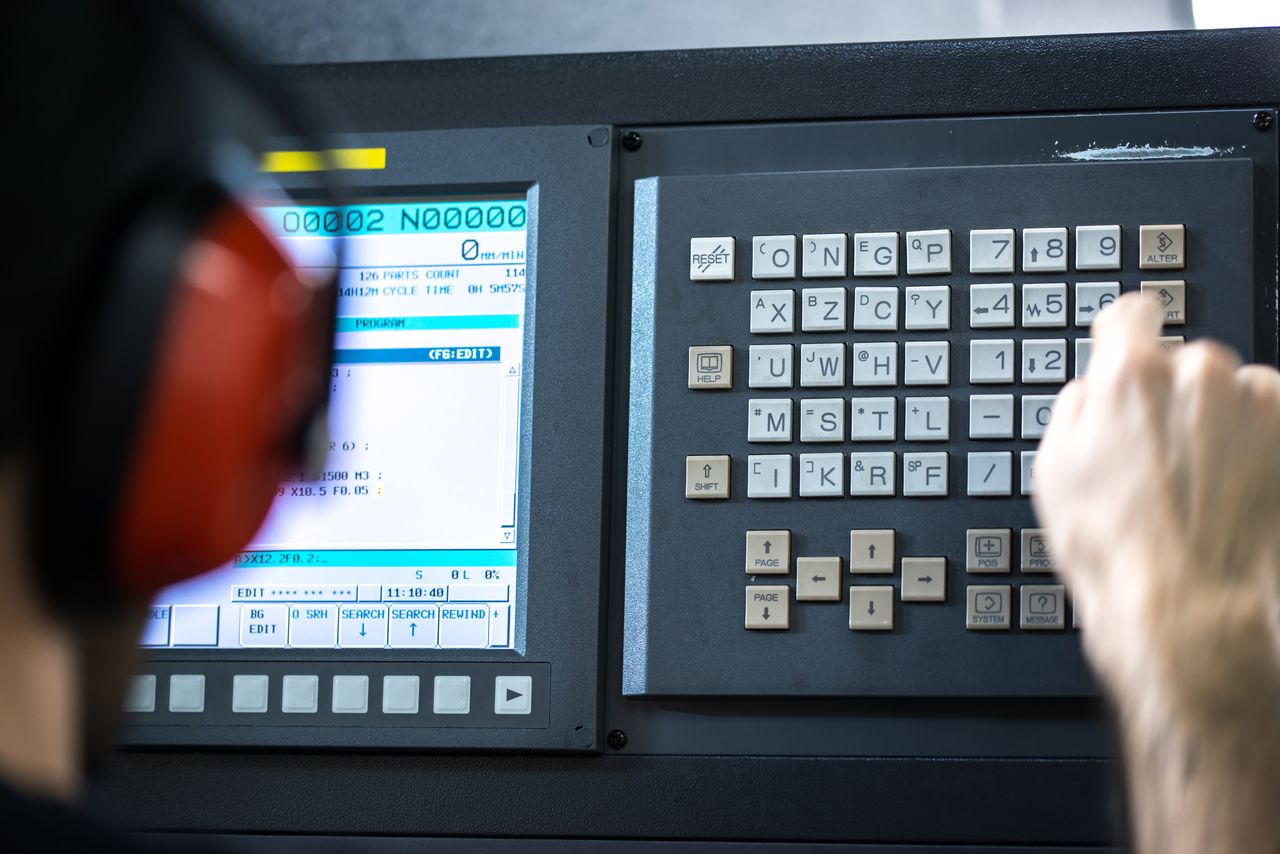
Selection of cutting parameters
It is no secret that the proper selection of cutting parameters is crucial for the quality, efficiency and costs of the production process. In this article, we discuss what incorrect parameter selection can affect, how to choose the right values and what factors should be considered.
Read more >
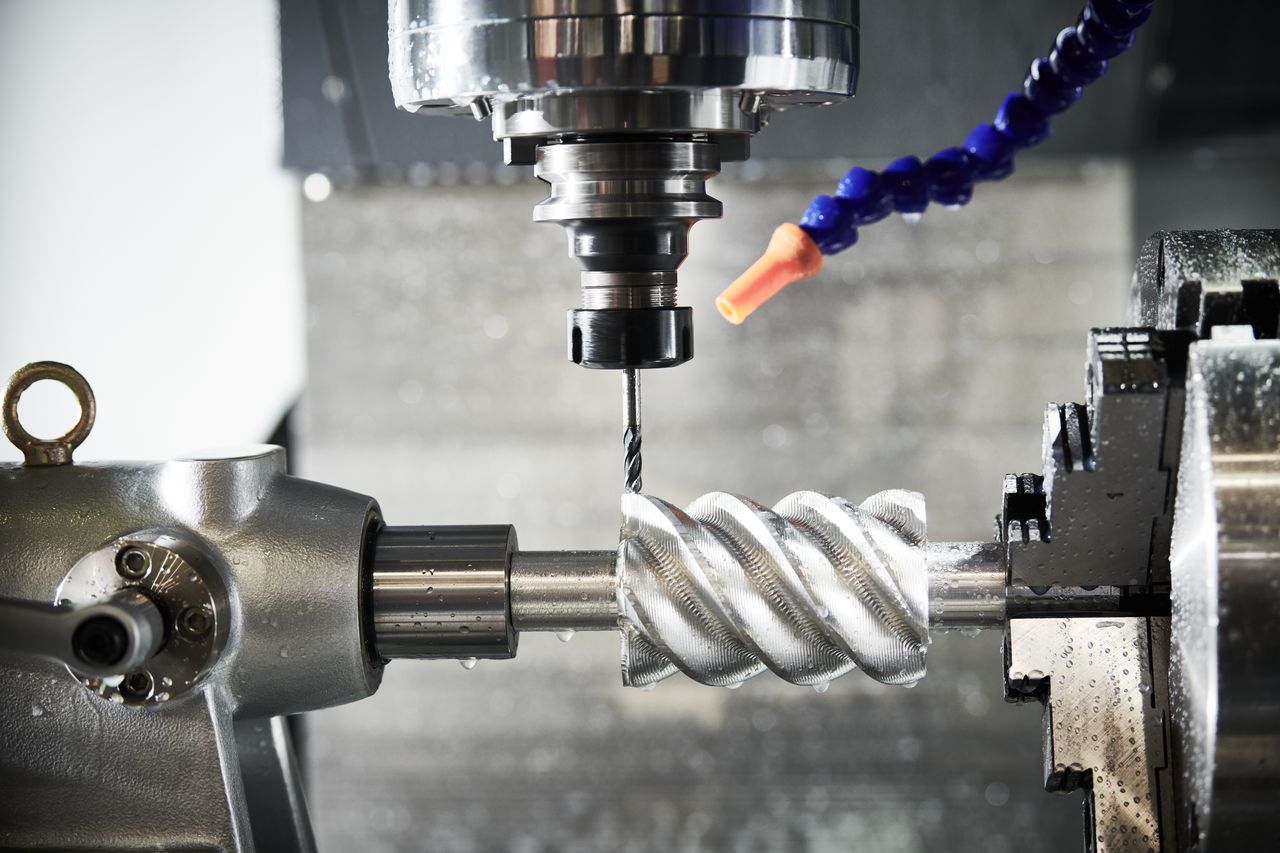
How to ensure a long service life for cutting tools?
CNC machine tools are now widely used in industry for precise material machining. Efficient, high-quality cutting tools used on these machines are essential for maintaining production efficiency. Due to their cost and importance, it is important to maximize their service life. In this article, we present best practices for maintaining, handling and storing machining tools used on CNC machine tools.
Read more >
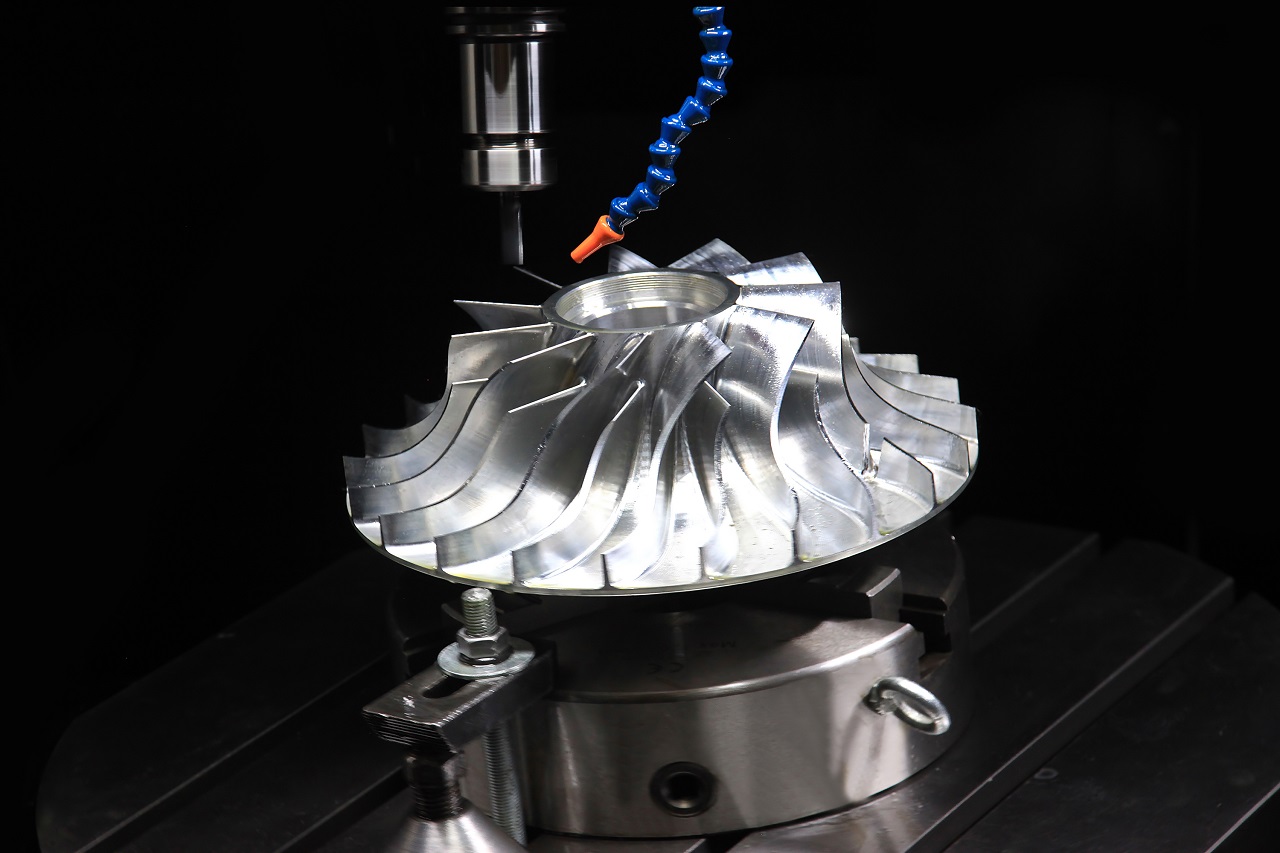
Cutting tool manufacturers' catalogs in Technar's offer
In a well-functioning manufacturing company, selecting the right cutting tools for CNC machining is crucial for achieving excellent results in machining metals and other materials. There is a wide selection of manufacturers offering various cutting tools, and their catalogs contain plenty of solutions intended for different types of production. Let's take a look at several companies whose tools and tooling are offered by Technar.
Read more >
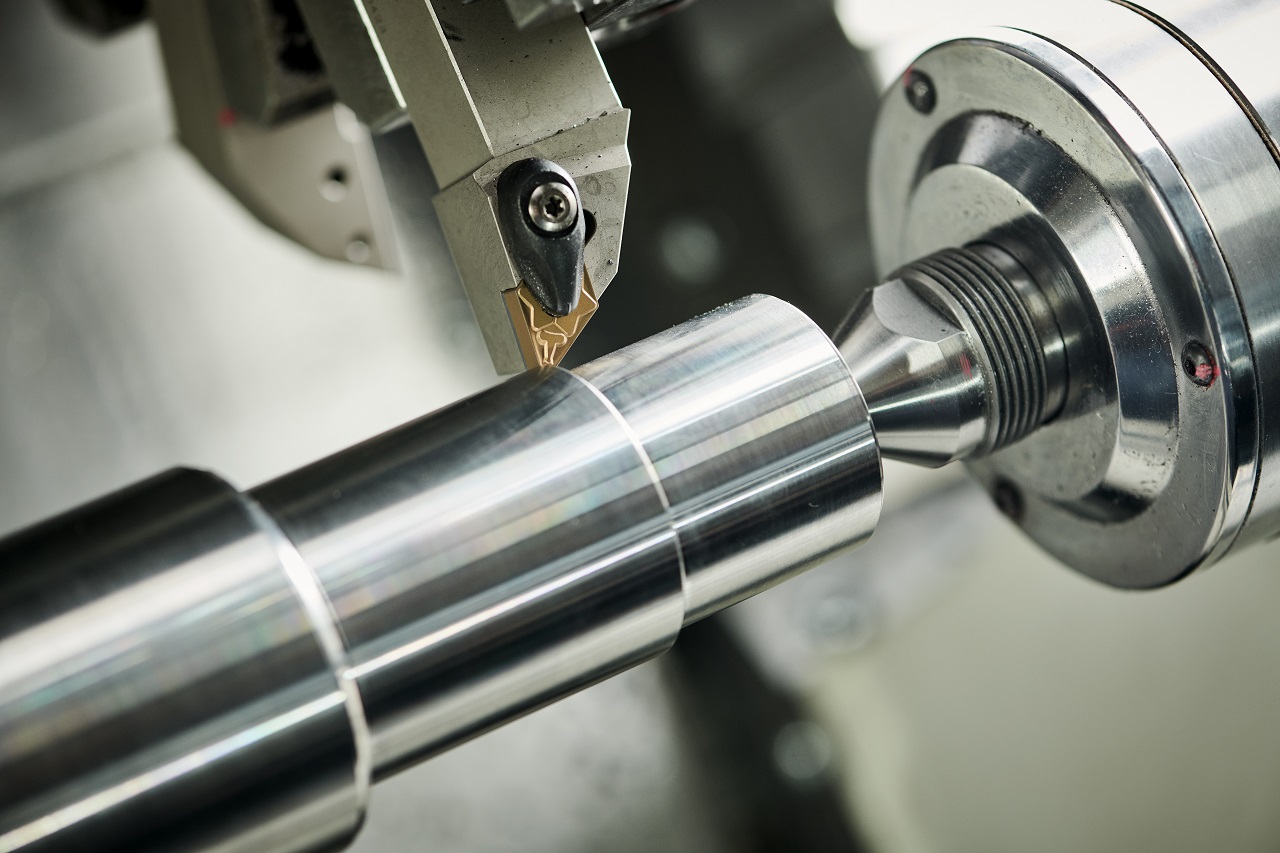
Indexable and solid turning tools - characteristics
Turning tools are popular cutting tools, especially in turning processes. They are mounted on lathes and are used to remove material from a workpiece by moving along its surface. Turning tools have various shapes and profiles, depending on the type of machining, material, and requirements for the shapes and dimensions of the finished part. They are an extremely important element in machining, enabling precise and desired shapes to be achieved on CNC machine tools and beyond. In this article, we briefly discuss the basic types of turning tools.
Read more >
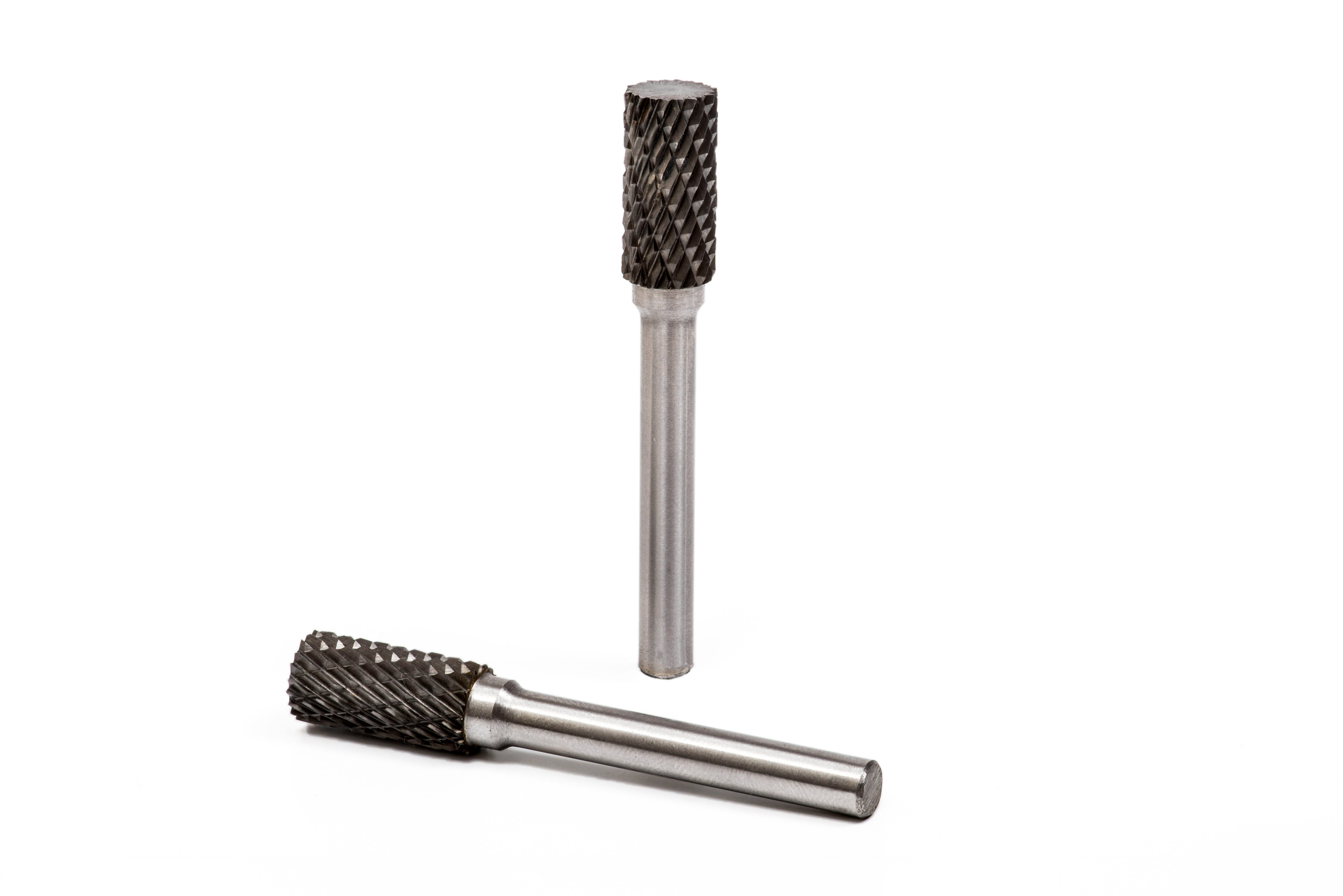
Rotary burrs - applications and manufacturers
Rotary burrs, also known as carbide burrs, are tools used in machining, most often consisting of a shank with the working part of the tool attached to it. The burrs rotate around their own axis, enabling faster and more efficient material removal. They are mainly used for precise shaping and finishing of workpiece surfaces and for removing excess material. Rotary burrs are used in various industries, and their design allows accurate machining of parts with different shapes and materials, ensuring high finishing quality and precision.
Read more >
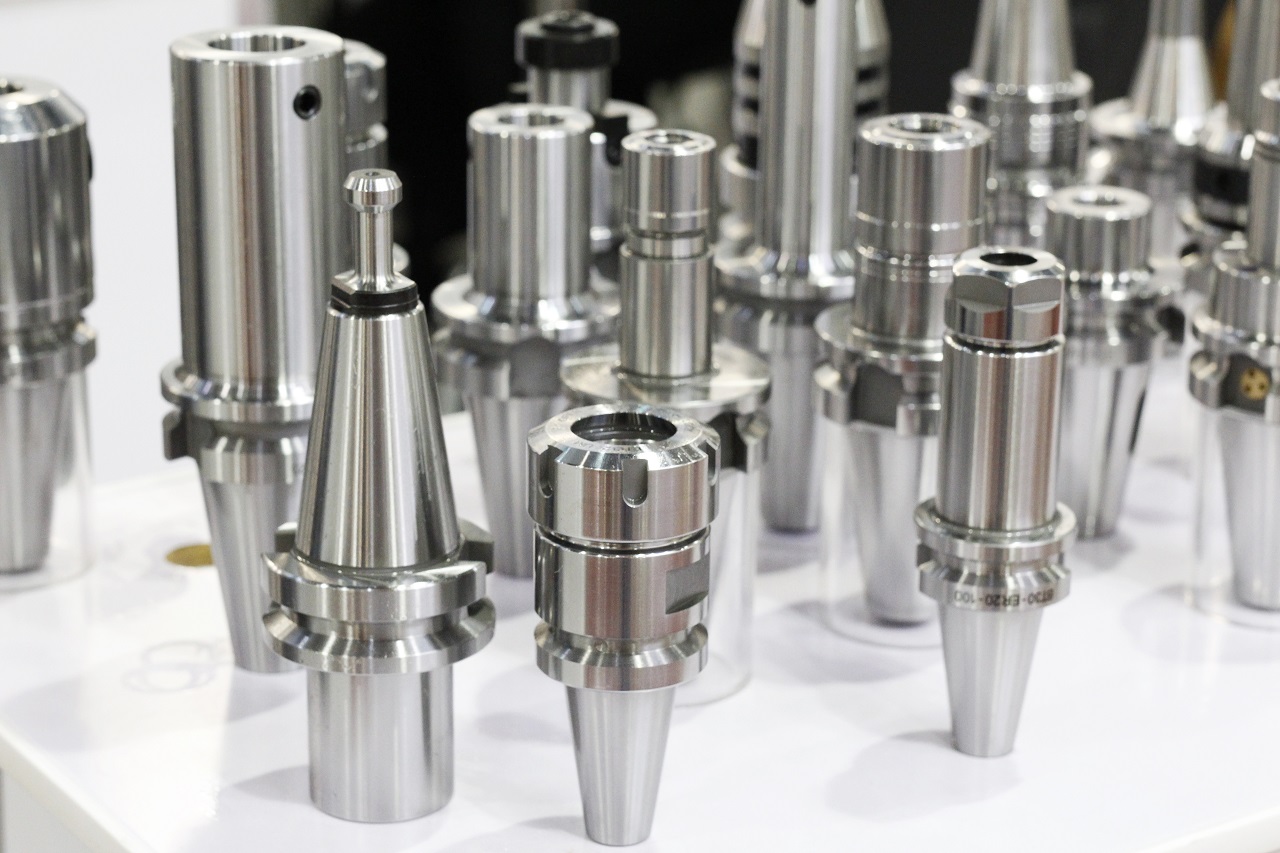
CNC machine equipment - the foundation of precision production
CNC (Computer Numerical Control) machines are an integral part of modern manufacturing, ensuring automation and precision in material machining processes. However, for these machines to operate at full efficiency, the right equipment is essential.
Read more >
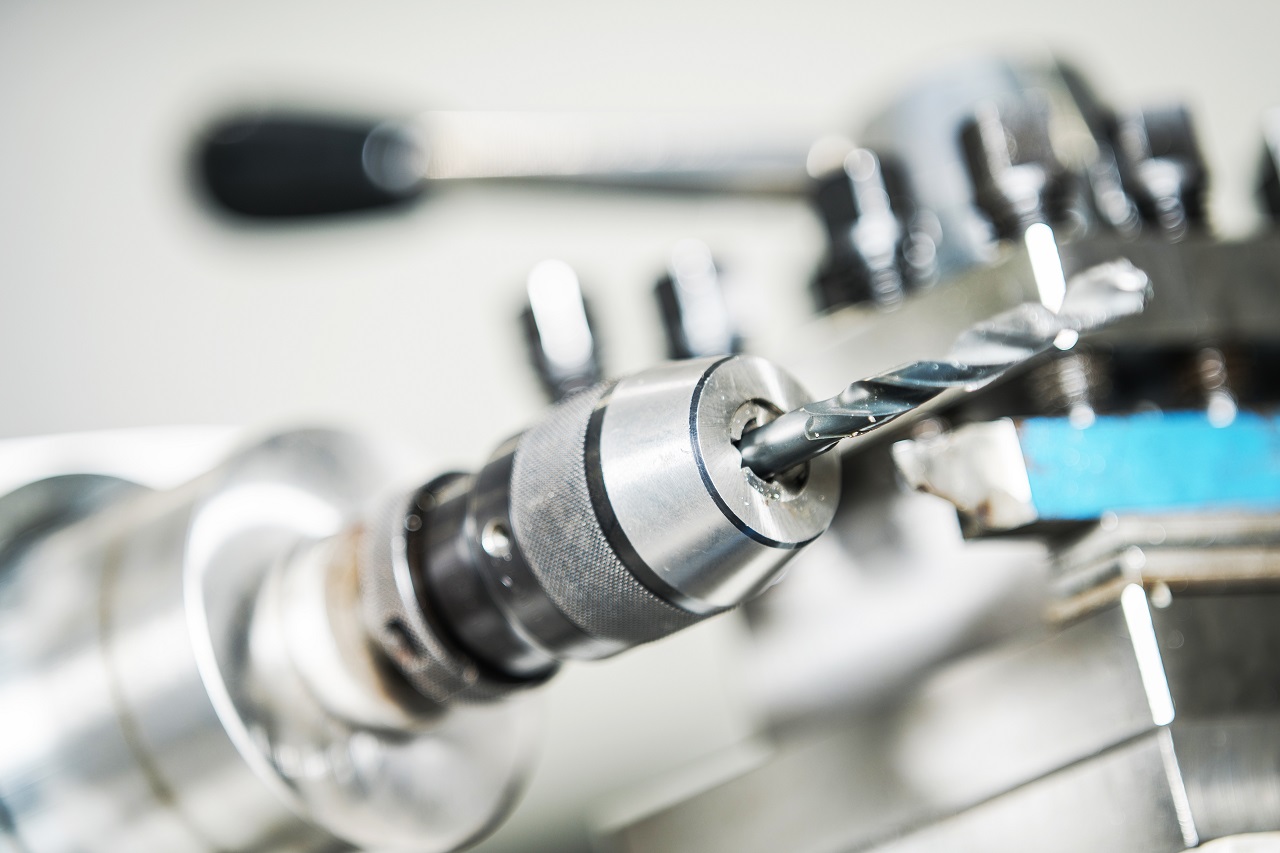
HSS drills in metal machining
HSS drills are made of high-strength high-speed steel, which is characterized by high hardness, resistance to abrasion and temperature, and good resistance to deformation. They are widely used in both manual and machine machining thanks to their versatility and durability.
Read more >
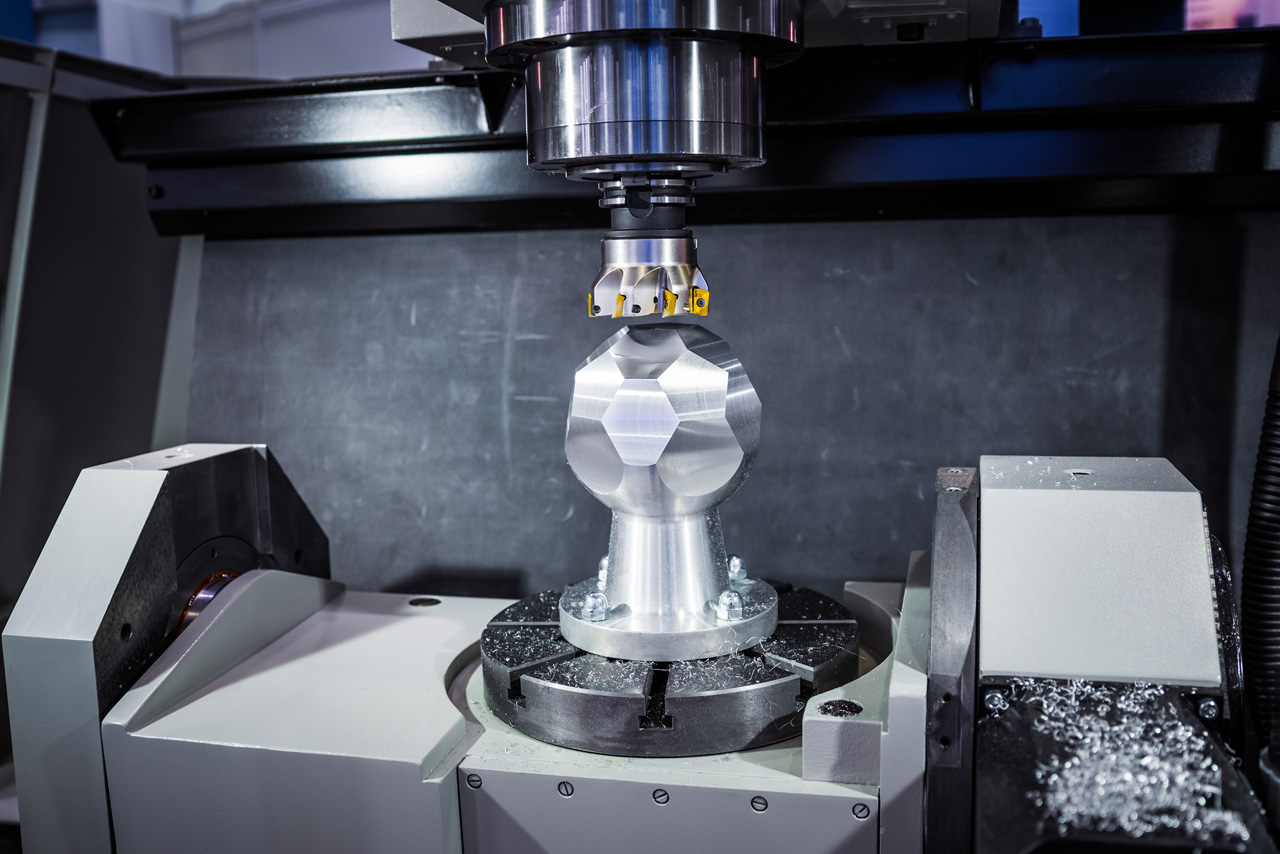
Milling heads: types, applications and selection
A milling head belongs to the category of cutting tools without which CNC machining is hard to imagine. Depending on the type of head, its application and the material it is made from, it can perform various functions and be used in different industries.
Read more >
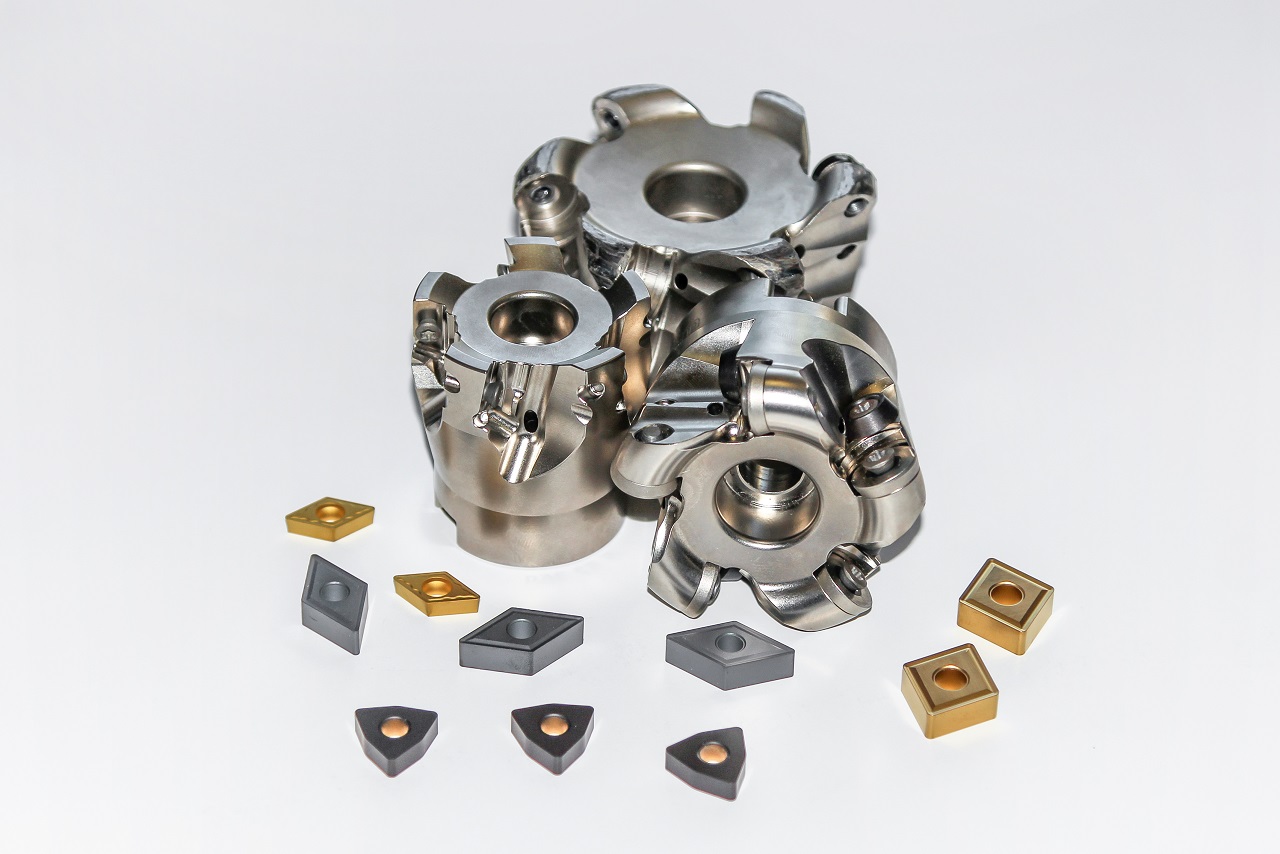
Milling inserts - quality and precision in cutting operations.
Milling inserts are replaceable cutting tool components used in milling operations. They are mounted in milling heads and feature different cutting-edge geometries, protective coatings and adapted shapes, allowing the tool to be effectively matched to various machining tasks on CNC machine tools.
Read more >
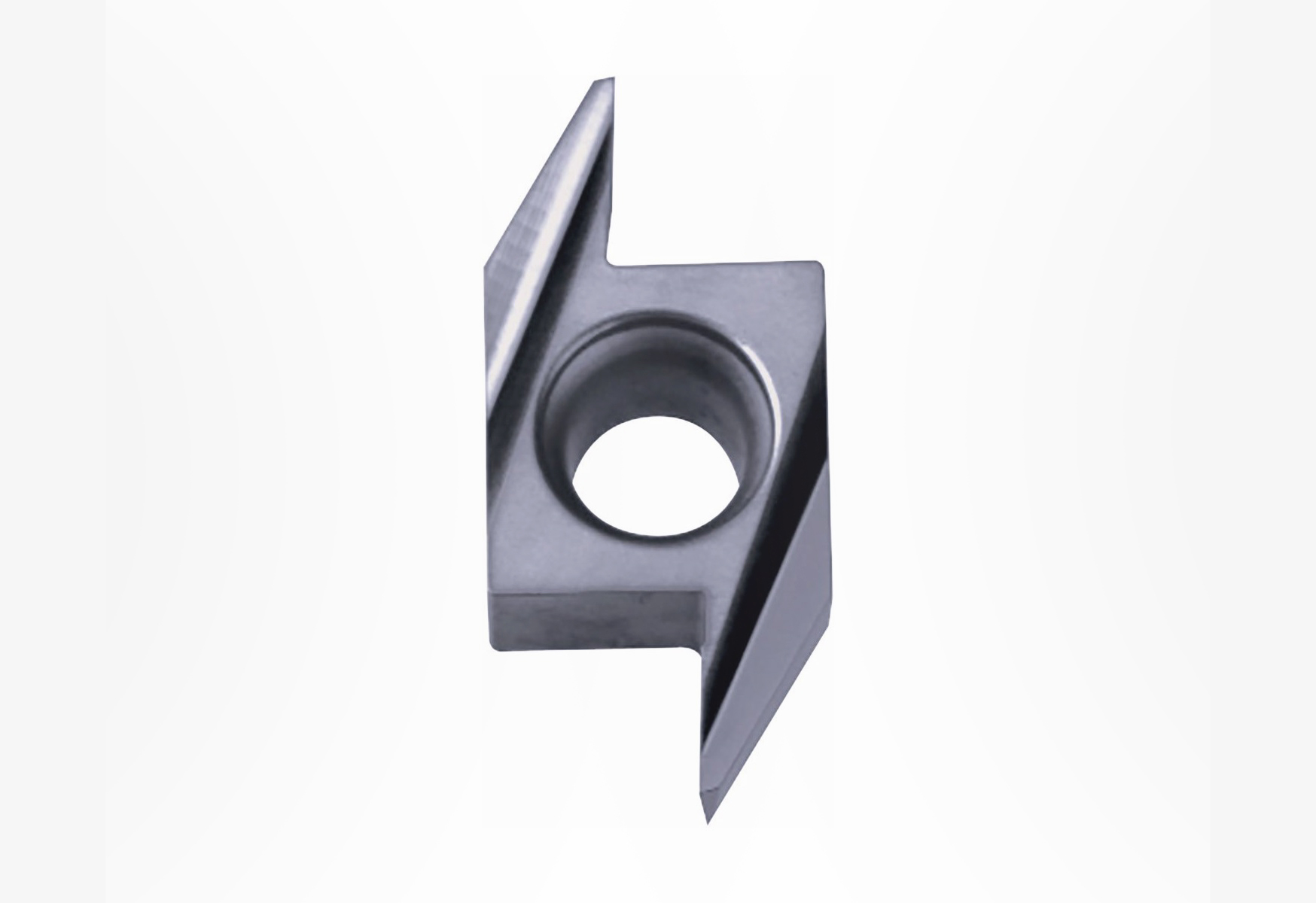
Turning tools for CNC machining - manufacturing materials
Turning tools for machining on CNC machines include various components, such as turning inserts, turning toolholders, cutting inserts and other accessories that are mounted on the machine tool spindle and perform various cutting operations. The proper selection of tool material is crucial for achieving the desired machining parameters, and by choosing a cutting edge made of the right material, different machining results can be achieved.
Read more >
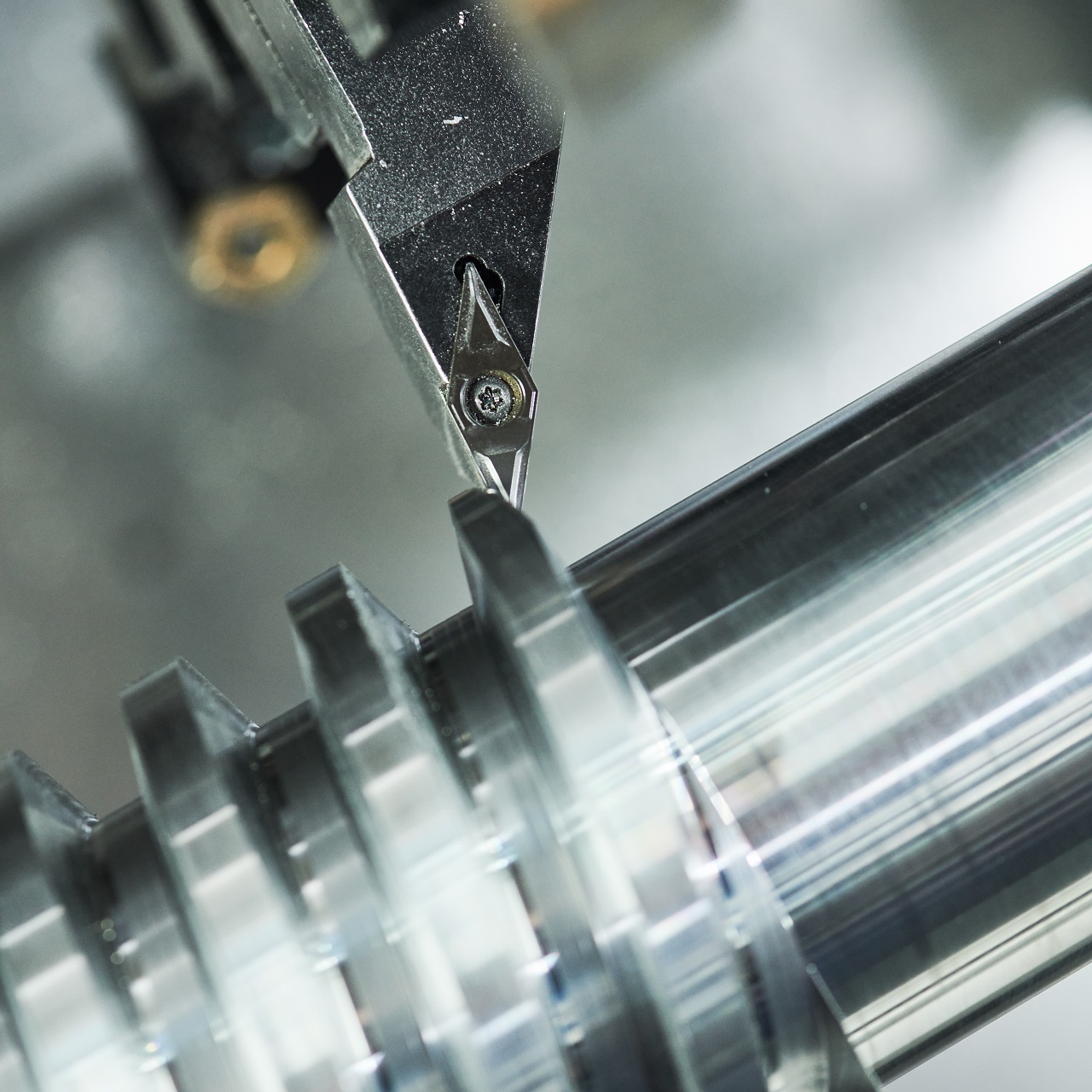
Turning inserts - a universal tool in CNC cutting operations
In terms of cutting-edge geometry, turning inserts can be divided into positive and negative inserts:
Read more >
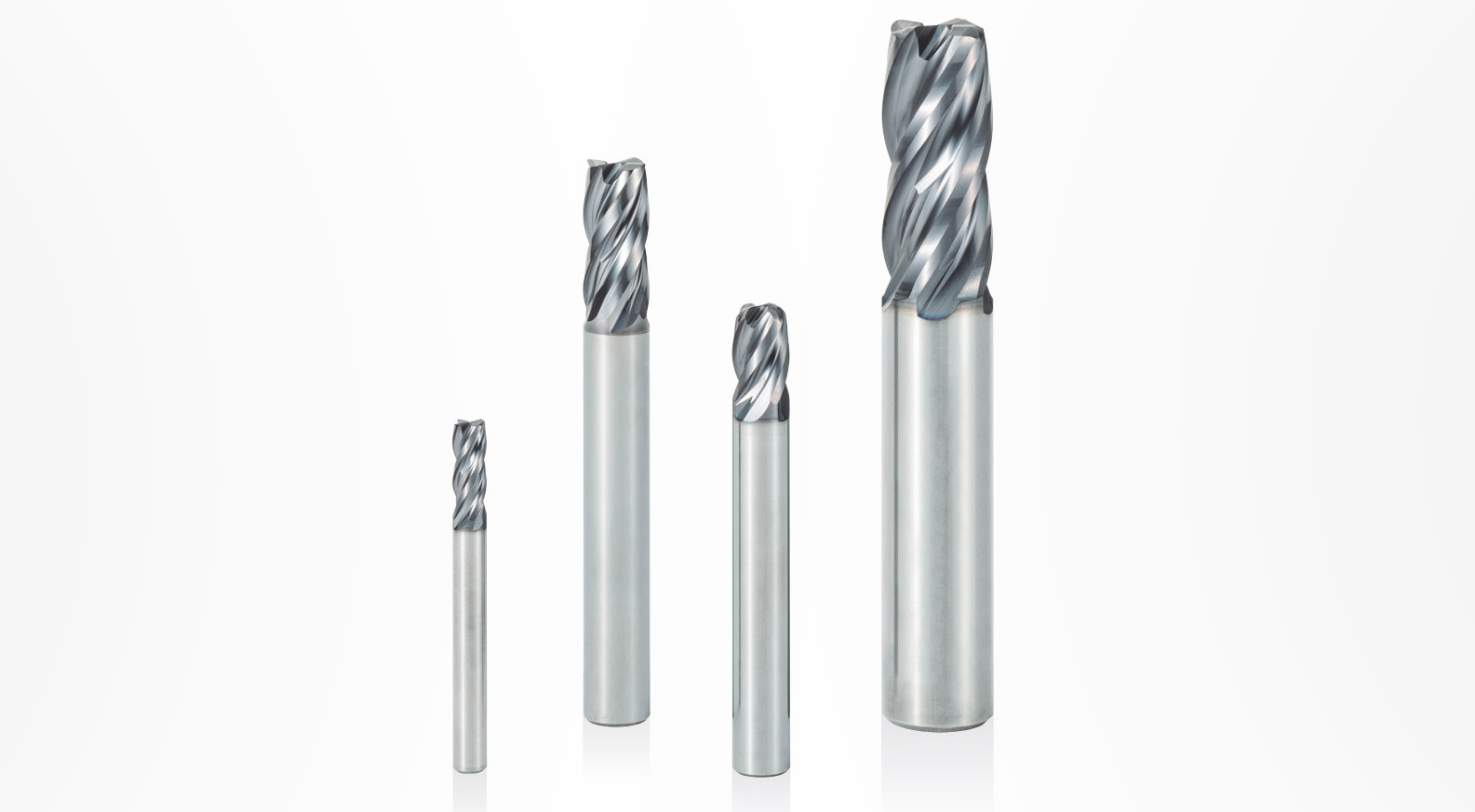
Solid end mills - efficient and precise tools for CNC machines.
Solid end mills are becoming increasingly popular due to a number of important advantages that make them extremely attractive to the machining industry. Their design is based on one uniform piece of material. Using advanced production technologies and high-grade materials such as cemented carbide or ceramics, these end mills offer good performance and durability.
Read more >
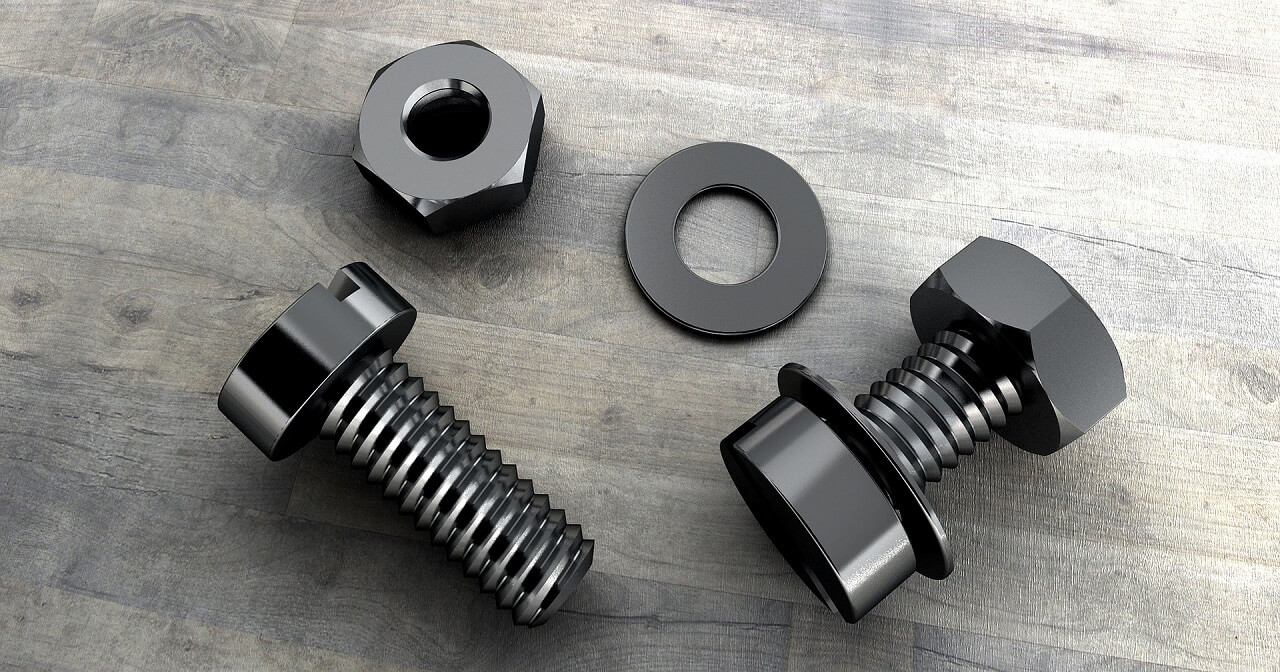
Thread machining tools
Threads play a key role in many branches of industry, especially wherever components need to be fastened together securely and permanently. Threaded connections are common in mechanical structures, cars, aerospace, electronics and many other fields. In this article, we look at different types of threading tools that are widely used in production.
Read more >
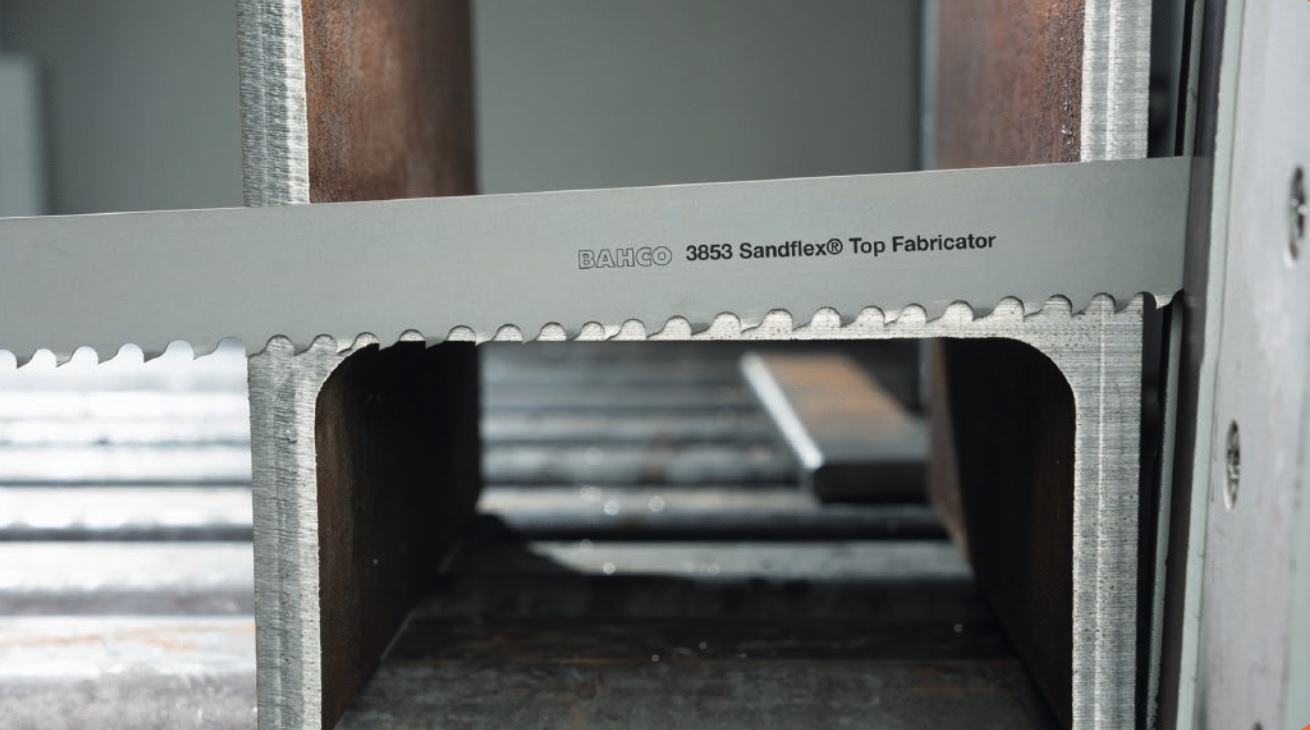
Band saw blade welding
In industry, where precision, efficiency and durability are key issues, band saw blade welding plays an indispensable role in creating strong joints. Band saw blades, which are widely used in the wood, metal and many other industrial sectors, require durable and reliable joints to withstand intensive work.
Read more >
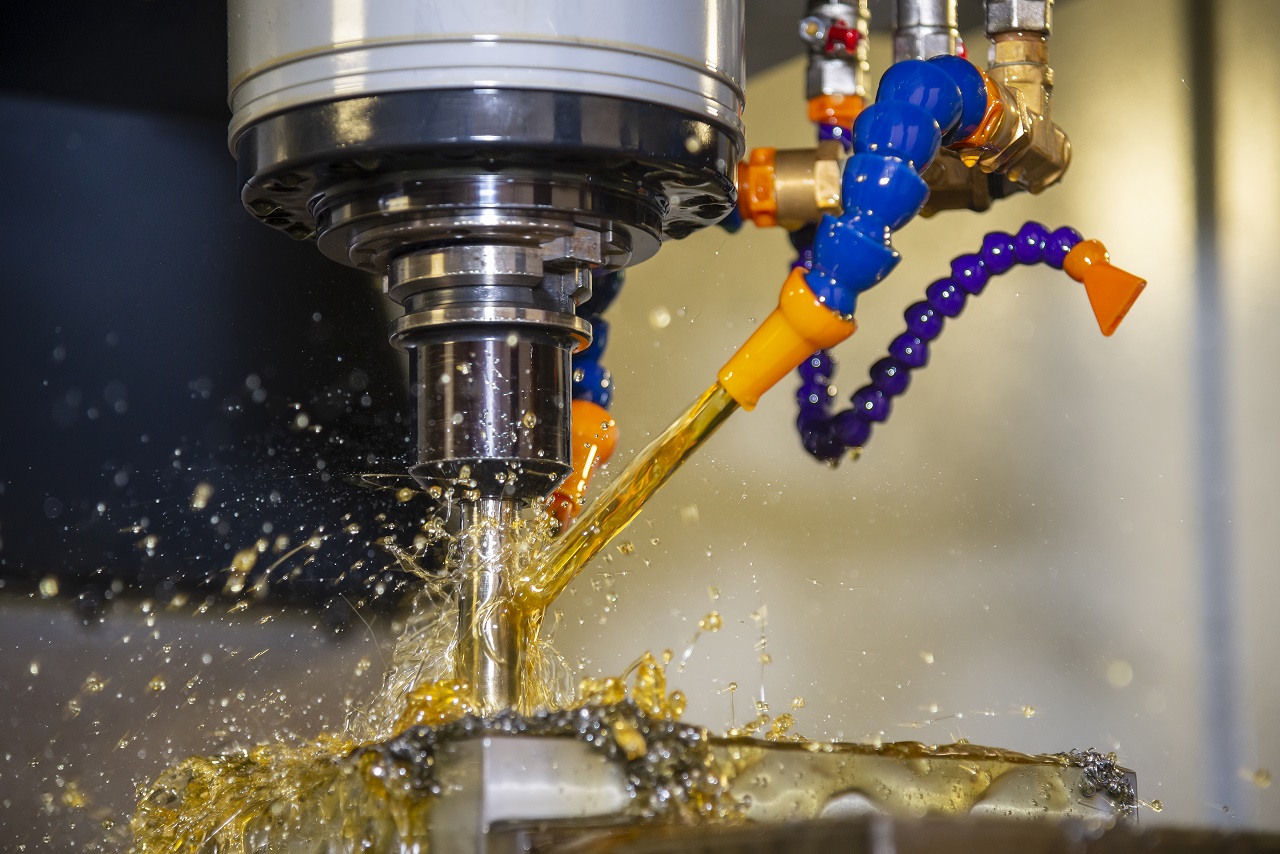
Coolants for CNC machines - an important aspect of cutting operations
CNC machines are at the core of many machining processes, from milling to turning and extrusion. Their efficiency, however, depends largely on suitable coolants. Different types of cooling fluids have different applications and properties. In this article, we look at their important role in the production process.
Read more >
CNC tool reconditioning - goals and advantages
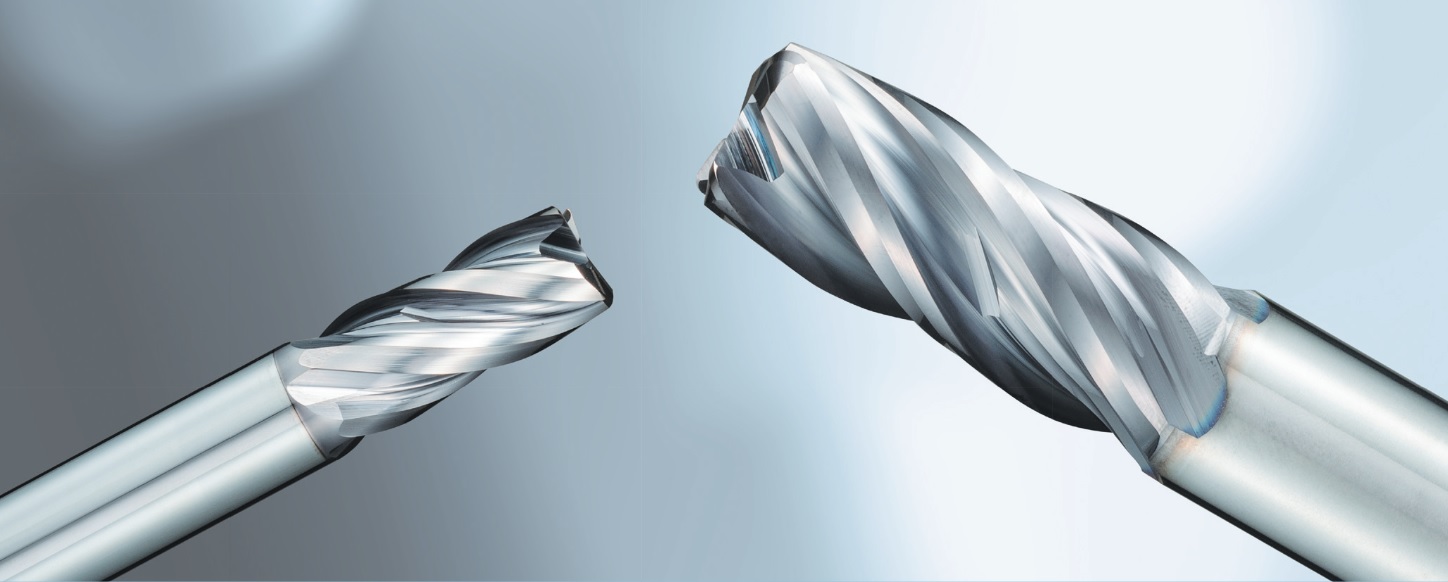
Optimal use of CNC machine tools is crucial for many industrial sectors, especially those involved in producing high-precision parts and components. To maintain high machining quality and minimize operating costs, it is extremely important to care for the quality of tools intended for cutting operations. Instead of buying new tools, it is worth considering the advantages of reconditioning them and learning why it is worth investing in this process.
Read more >