




Blog
Cutting tools and turning holders - why does their fit matter?
In the modern metalworking industry, the precision and efficiency of technological processes are crucial. One of the most important aspects ensuring success in this field is the correct matching of cutting tools to turning holders. This cooperation between equipment components guarantees stability, safety and optimum machining quality.
Toolholders, turning tools and tooling for CNC machine tools from renowned manufacturers - check Technar's offer and contact our representative. We will prepare a favorable offer and provide expert advice.
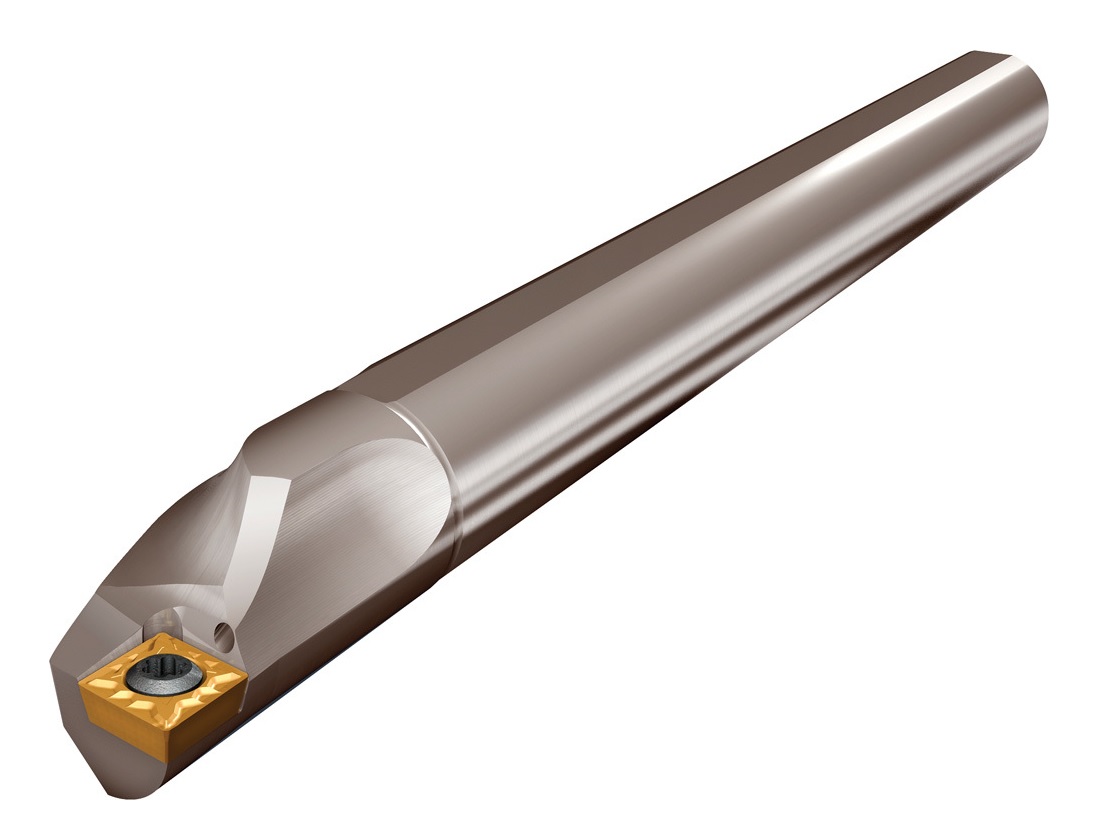
Why is matching cutting tools and turning holders important?
- Machining precision - cutting tools must be securely clamped in turning holders to ensure high dimensional accuracy of machined parts. Even minimal play or improper clamping can lead to dimensional deviations, which in turn may result in a defective product.
- Reduction of chatter and vibration - proper matching of the tool to the holder minimizes vibrations generated during cutting. Reducing vibration not only improves the surface quality of the workpiece, but also extends the service life of cutting tools.
- Work safety - stable tool clamping in the turning holder eliminates the risk of accidental tool ejection during operation. This is especially important at the high rotational speeds used in CNC machines.
- Economic efficiency - a good fit allows optimal use of cutting tools, reducing operating costs and limiting the need for frequent replacement of worn components.
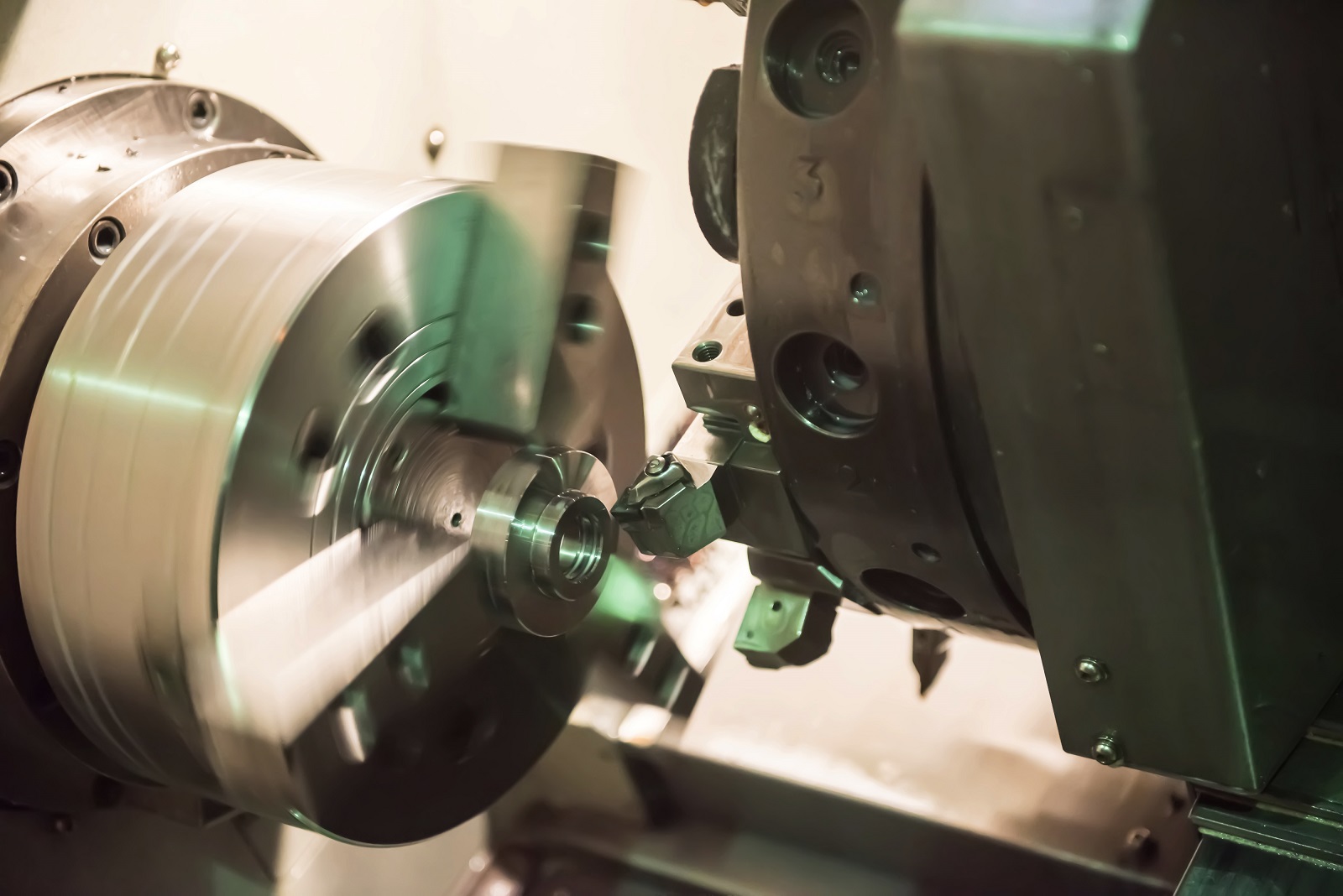
What factors affect matching tools to holders?
- Type of turning holder - depending on the type of material being machined and the technological process, different types of turning holders are used, such as self-centering holders, hydraulic holders or quick-change holders. Each of them requires suitable cutting tools to ensure maximum stability and precision.
- Tool size and geometry - cutting tools should be adapted to the holder dimensions and the shape of the workpiece. It is essential that the cutting-edge geometry is compatible with positioning in the holder.
- Clamping systems - modern clamping systems such as HSK, Capto or BT enable fast and precise tool mounting. The choice of the right system depends on technical requirements and the type of machine tool.
- Material of tools and holders - the materials from which tools and < a href="https://technar.pl/en/products/turning-tools/turning-tool-holders/">turning holders are made should be matched in terms of strength and wear resistance. For example, holders made of cemented carbide work well with high-hardness tools.
Technologies supporting proper matching
The development of CNC technology introduces increasingly advanced solutions supporting the matching of tools and turning holders. Examples include sensor systems that monitor clamping stability and intelligent software that analyzes operating parameters in real time. Thanks to the variety of designs, such as self-centering, hydraulic or electromagnetic holders, turning holders can be used in processes requiring both high precision and high efficiency. Other innovations include:
- Adaptive clamping systems that automatically adjust to tool dimensions.
- Protective coatings on holder surfaces that reduce friction and wear.
- Quick tool-change systems that shorten production downtime.
Conclusions
Correct matching of cutting tools such as, for example, turning tools to turning holders is crucial for the precision, quality and cost-effectiveness of the machining process. Understanding the interdependence of these elements makes it possible to optimize CNC machine operation, extend tool life and improve safety. Choosing the right technological solutions is an investment that brings measurable benefits in the long term.