




Blog
How to Increase the Durability of Indexable Drill Inserts?
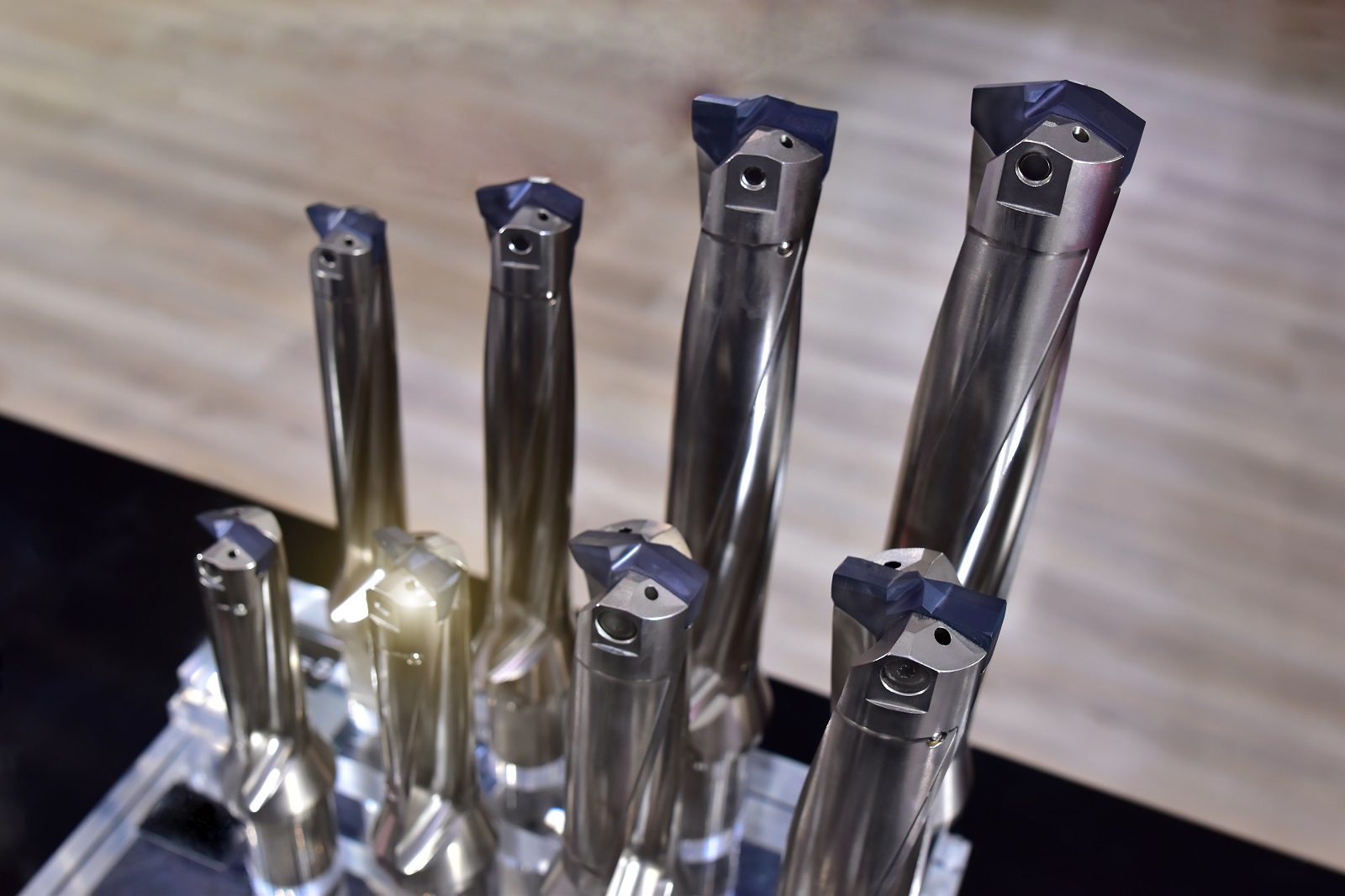
Indexable drills are among the most popular tools in CNC machining, used in the automotive and aerospace industries as well as in many other sectors. Thanks to replaceable cutting inserts, they enable economical drilling without the need to frequently replace the entire tool. However, to ensure maximum performance and durability, it is essential to select the right machining parameters. In this article, we present proven methods that will help extend the service life of drilling inserts and improve machining quality.
we offer a wide selection of high-quality cutting tools, including indexable drills, cutting inserts, and other essential accessories. We cooperate with renowned manufacturers, which guarantees the reliability and high durability of our tools. Our range includes solutions adapted to various materials and machining processes - please contact us.
Optimization of Cutting Parameters
Cutting speed and feed are the key to a longer service life of a CNC tool. Incorrect cutting speed and feed settings are one of the main causes of premature cutting insert wear. Too high a speed can lead to overheating of the cutting edges and faster wear, while too low a speed can cause excessive tool load and even damage.
The same applies to feed - too low can generate unwanted friction, while too high can cause excessive mechanical loads. To avoid these problems, it is worth using the cutting parameters calculator, which takes into account the workpiece material, tool geometry, and machine operating conditions.
Tip: It is worth using cutting calculators available in CAM software or on tool manufacturers' websites. They take the most important variables into account and help you precisely select optimal values.
Depth of Cut and Machining Strategy
When drilling with indexable drills, the machining strategy is also very important. Depending on the material and hole depth, the method of introducing the tool into the material should be adjusted. Some materials require gradual deepening of the hole, while in other cases it may be necessary to use an interrupted operation to avoid overheating and chip accumulation.
Tip: If drilling requires removing a large amount of material, consider using step tools or multi-stage machining, which will reduce the load on the cutting inserts.
Selecting the Right Cutting Inserts
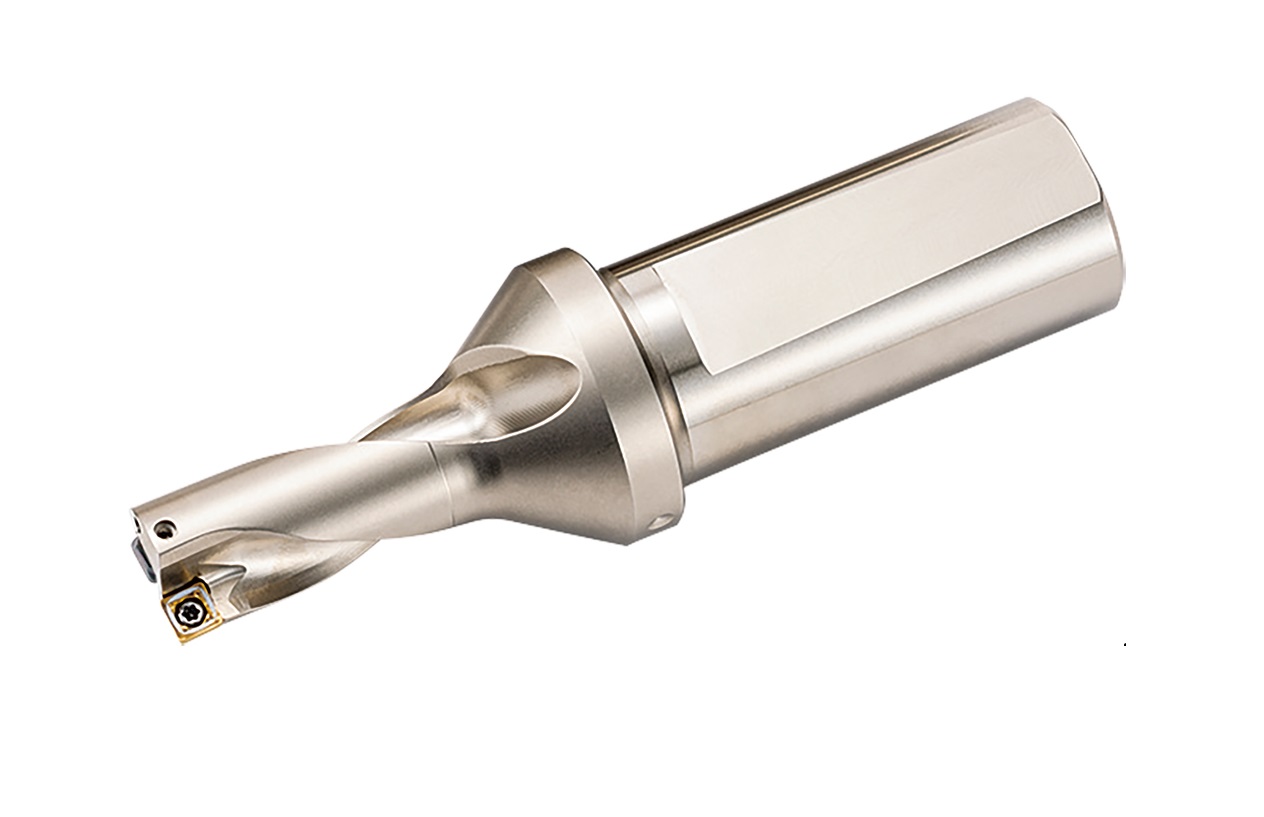
Not all drilling inserts will work in every application. When selecting them, several key factors should be considered:
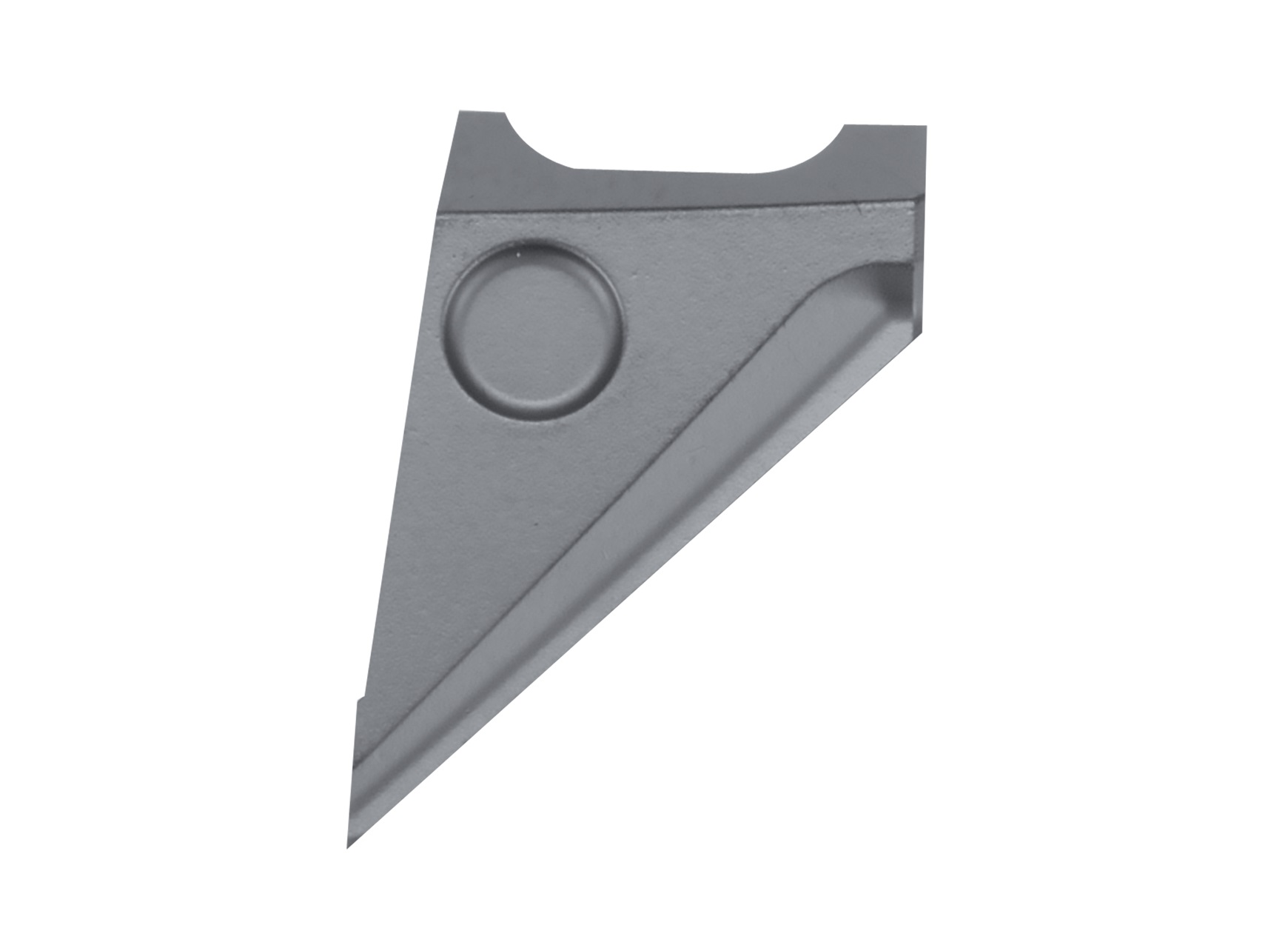
- Insert material - Sintered carbide is the most commonly used material due to its high abrasion resistance, but other variants are also available for specific cutting conditions.
- Cutting edge geometry - The rake angle and cutting edge shape have a huge impact on drilling performance. For soft materials, it is worth using cutting edges with more aggressive geometry, while for harder materials - more durable and stable solutions.
- Protective coating - Modern coatings significantly increase the durability of drilling tools, reducing friction and protecting cutting edges against high temperature. It is worth consulting your tool supplier to select the right variant.
Tip: Regular inspection of insert condition and replacement before complete wear occurs can prevent damage to the drill body and improve hole quality.

The Importance of Cooling During Drilling
One of the most commonly overlooked aspects that has a huge impact on cutting insert durability is proper cooling. High temperatures generated during drilling can lead to micro-damage of the cutting edge, accelerating tool wear and potentially causing premature cracking.
Coolant not only removes heat but also reduces friction, resulting in lower mechanical loads and better control over chip evacuation. Properly selected cooling can even double the service life of cutting inserts while reducing the risk of damage.
Tip: Make sure the cooling system delivers fluid to the right place, especially in deep holes. In some cases, it is worth considering internal cooling, which reaches the cutting zone more effectively.
Mistakes That Shorten Tool Life
Even the best cutting parameters and drilling inserts are not enough if basic operating mistakes are made. Here are some of them:
- Incorrect tool clamping - If the insert is not securely mounted in the drill body, vibrations and uneven insert wear can occur.
- No tool runout control - Even minor deviations can cause excessive load on one side of the insert, leading to faster wear.
- Ignoring insert wear - Working with dull cutting edges increases cutting forces, which can damage both the insert and the drill body.
Tip: Regularly checking tool condition and proper clamping can significantly increase the service life of cutting inserts and improve machining quality.
Summary
Increasing the durability of cutting inserts in CNC indexable drills is not only a matter of high-quality tools, but also appropriate machining parameters and proper operation. What is worth remembering?
- Adjust speed and feed - use cutting calculators to select optimal values
- Choose the right drilling inserts - pay attention to material, geometry, and coating.
- Proper cooling - improves control over temperature and chip evacuation.
- Proper tool maintenance - checking clamping, runout, and insert wear helps avoid failures.
Paying attention to these factors will not only extend the service life of cutting inserts but also improve drilling quality and reduce operating costs.