




Blog
CNC tool reconditioning - goals and advantages
Optimal use of CNC machine tools is crucial for many industrial sectors, especially those involved in producing high-precision parts and components. To maintain high machining quality and minimize operating costs, it is extremely important to care for the quality of tools intended for cutting operations. Instead of buying new tools, it is worth considering the advantages of reconditioning them and learning why it is worth investing in this process.
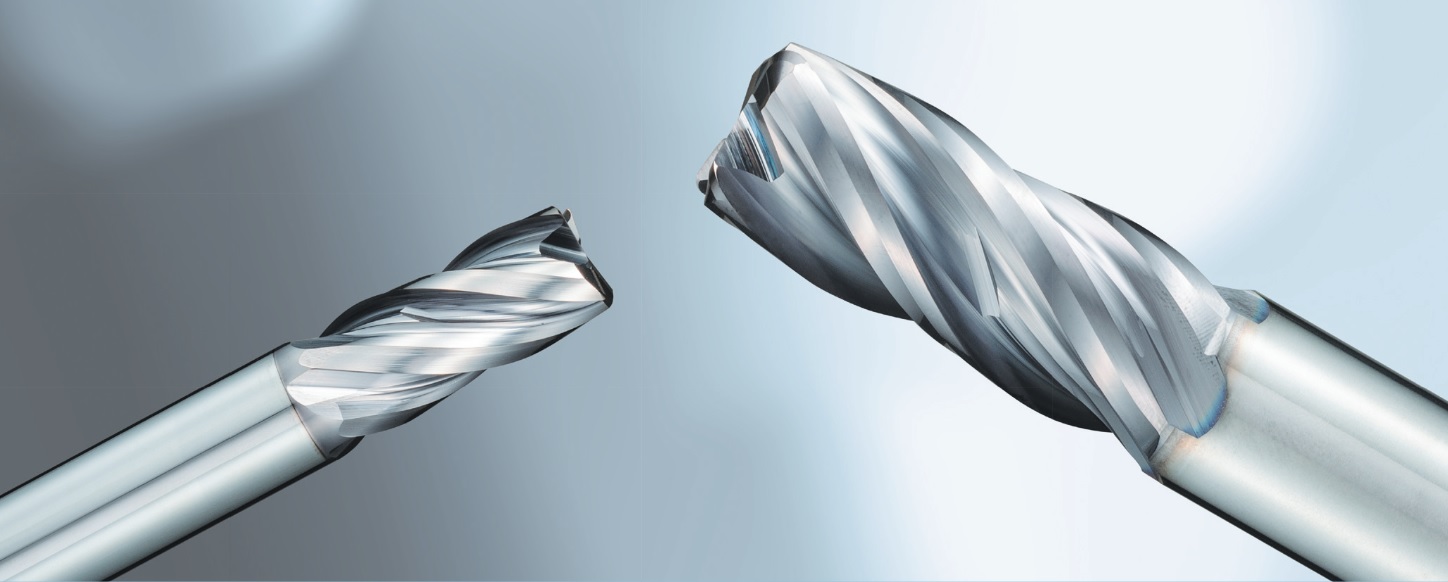
Cost optimization
One of the most important benefits associated with reconditioning drills and milling cutters is reducing the customer's costs. New tools are often significantly more expensive than the process of reconditioning existing ones. With the right reconditioning process, a worn tool can be renewed, restoring its full functionality while significantly lowering expenses related to purchasing new equipment.
CNC tool reconditioning and ecology
CNC tool reconditioning also contributes to environmental protection. The production process for new tools is usually associated with the emission of large amounts of carbon dioxide and the use of natural resources. In the case of reconditioning existing tools, the demand for new raw materials and energy is reduced, which translates into a smaller environmental impact.

Maintaining machining quality
For CNC machine tools, machining quality is absolutely crucial. Worn tools can negatively affect the quality of finished parts. By reconditioning tools such as drills and milling cutters, their full ability to perform precise machining can be restored, which is important for companies producing high-accuracy components. Thanks to modern tool regrinding machines, the original geometry of sharpened tools can be restored.
Long service life of cutting tools
Another important aspect of tool reconditioning is extending tool life. Worn tools that have been properly reconditioned can serve for a much longer period than those that have not undergone this process. This means that companies can avoid frequent tool replacements and the costs associated with them.
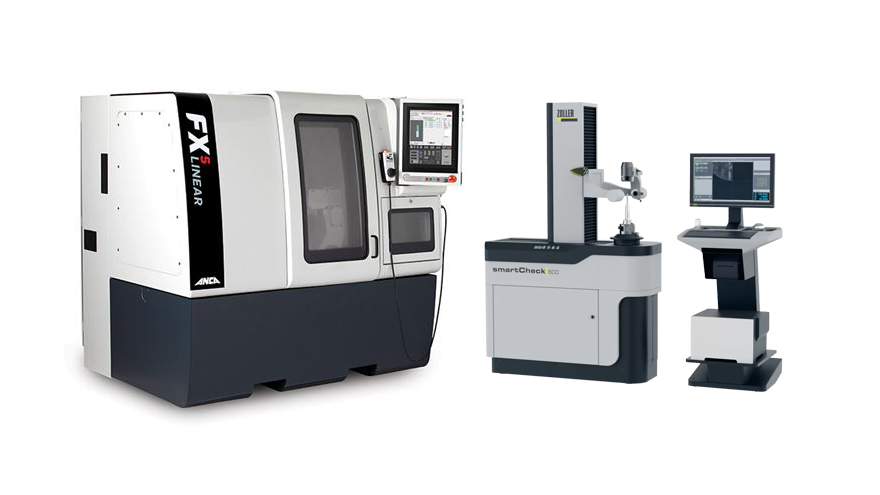
Adapting tools to changing needs
In addition to restoring tools to their original condition, reconditioning also allows tools to be adapted to changing production needs and requirements. The geometry of, for example, drills or their properties can be modified so that they better meet specific tasks. This flexible approach to tools can be crucial in a dynamic industrial environment.
Summary
Reconditioning drills and milling cutters for CNC machine tools is a process that brings many benefits to companies operating in industry. Cost savings, environmental friendliness, maintaining cutting quality, long tool life and the ability to adapt tools to changing needs are only some of the advantages of this process. Therefore, it is worth investing in tool reconditioning to increase production efficiency, reduce operating costs and care for the natural environment. In the long term, this can help increase the company's competitiveness in the industrial market.
We invite you to use our reconditioning services in our tool grinding shop. We recondition, among others, drills, milling cutters, countersinks and reamers. We provide sharpening without coating or with coating and edge honing. We invite you to contact us.