




Blog
Coolants for CNC machines - an important aspect of cutting operations
Our offer includes not only cutting tools, but also Master Fluid coolants for CNC machines. Check the products available from us or contact our representative.
CNC machines are at the core of many machining processes, from milling to turning and extrusion. Their efficiency, however, depends largely on suitable coolants. Different types of cooling fluids have different applications and properties. In this article, we look at their important role in the production process.
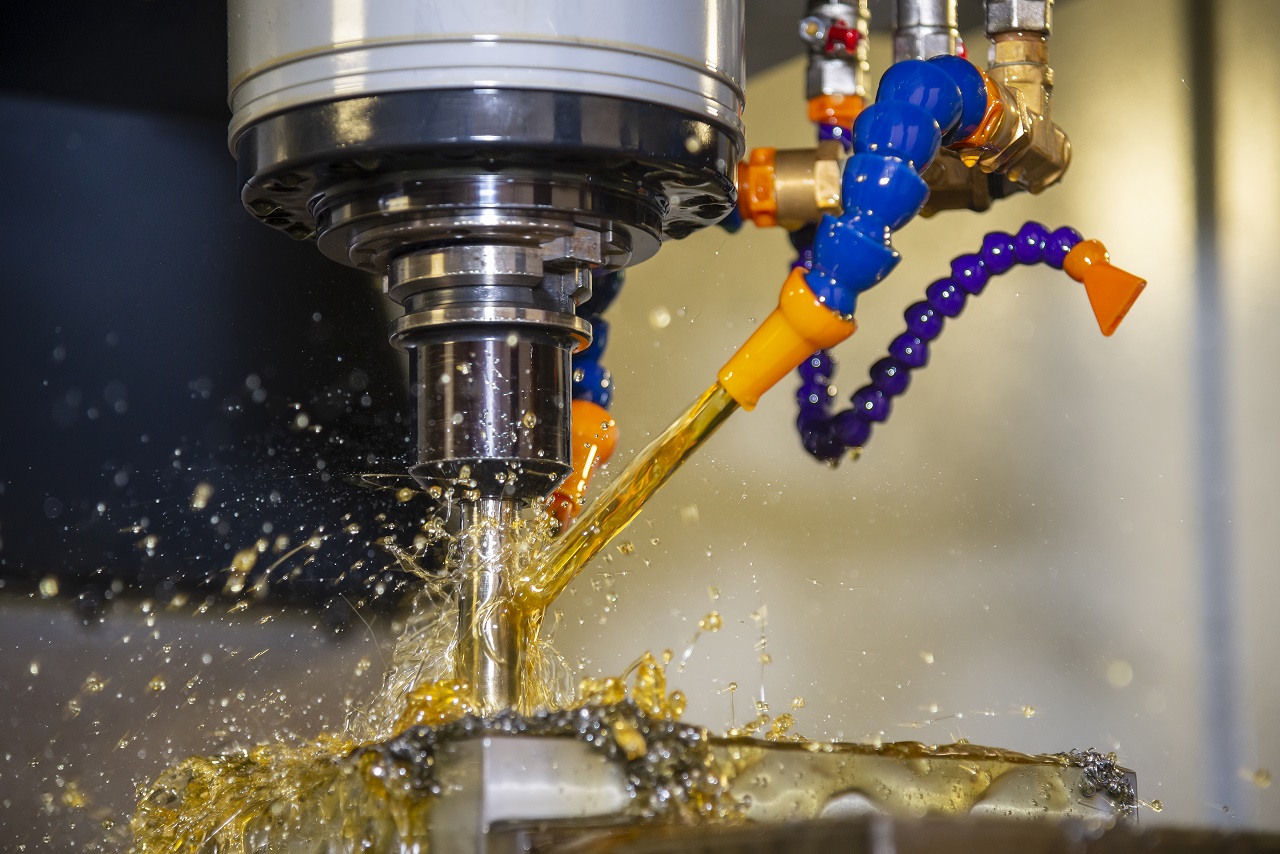
Coolant tasks
Coolant for CNC machines is a substance, often in liquid or emulsion form, whose main task is cooling CNC tools and machined materials as well as lubricating machines. It not only helps control temperature during machining, but also ensures proper lubrication and reduces friction. In addition, it helps remove remaining chips and filings from the machining area and can sometimes provide additional protection for tools against corrosion.
Selected types of cooling fluids
There are many different types of coolants for CNC machines. Several main ones include:
- Water-based coolant: the most popular and most readily available type of coolant. It usually occurs in a mixture with glycol, cooling tools and machined materials and preventing overheating.
- Oil-based coolant: often used in metalworking. In addition to cooling, it also has lubricating properties that help reduce friction and ensure higher machining quality.
- Emulsion coolant: a mixture of water and oil that combines the advantages of water-based and oil-based coolants. Emulsion coolant is versatile and can be used in various types of cutting operations.
- Glycol-based coolant: lowers the freezing temperature and is used at extremely low temperatures.
Choosing the right type of coolant depends on the type of machining, materials, machine and manufacturer preferences.
Additives for CNC machine coolants
Additives for CNC machine coolants play an important role in optimizing machining processes, maintaining machine performance and improving product quality. Depending on the type of machining and the materials processed by the CNC machine, various additives can be used, such as emulsifiers, anti-corrosion agents or coolant filters. Emulsifiers, mixed with water, improve heat distribution and tool lubrication, while anti-corrosion agents protect both tools and machined materials against corrosion. Coolant filters, in turn, help keep the coolant clean by eliminating contaminants and maintaining cooling performance at the proper level.
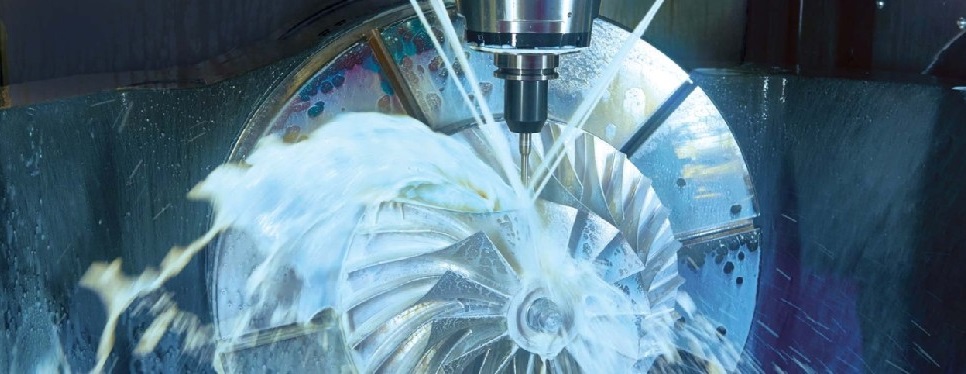
Why are coolants important in CNC machining?
Coolants in CNC machining are important for several reasons:
- Protection of cutting tools: Coolants help maintain the proper tool temperature, which extends tool life and helps reduce replacement costs.
- Improved machining quality: Coolants make it possible to achieve higher precision and machining quality by eliminating problems with excessive friction and heat.
- Safety: they help control temperature and keep machines clean, preventing the risk of CNC machine overheating and failure.
- Energy efficiency: Suitable coolants help reduce energy consumption, which affects operating costs.
Coolants as protection for cutting tools
Coolants undoubtedly play an important role in the CNC machining process. By choosing the right type, a company can improve not only the quality of machining, but also increase tool life, reduce production process costs and increase its efficiency. Therefore, it is worth understanding the needs of your production and selecting the right coolant for your machines.