




Blog
CNC slitting saw cutters - characteristics, types and applications
Slitting saw cutters are specialized tools used in CNC machine tools for precise cutting, parting and shaping of materials. They feature a disc-shaped design with teeth arranged around the circumference, giving them the characteristics of both classic circular saws and milling cutters. Thanks to their versatility and precision, they are widely used in many branches of industry.
We offer a wide range of top-quality cutting tools tailored to various needs and industries. In our assortment you will find, among others, slitting saw cutters, milling cutters, drills and specialist tools for machining metals and more. Contact our representative.
What are slitting saw cutters?
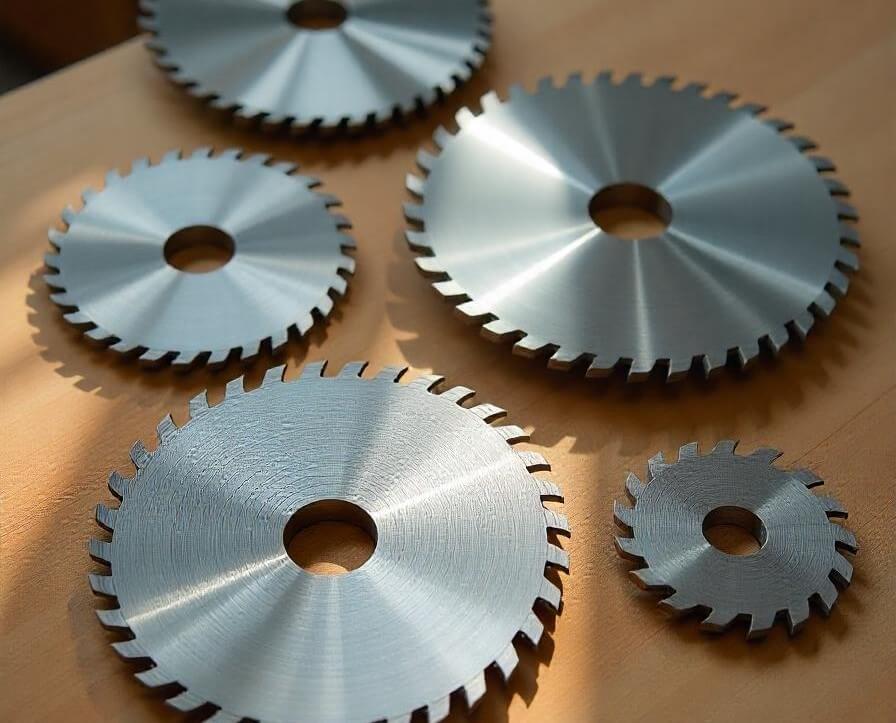
Slitting saw cutters are cutting tools that combine the features of circular saws (cutting and parting) with the functionality of milling cutters. They are mounted in CNC machines, allowing precise control of the machining process. They consist of a disc-shaped body with cutting edges in the form of teeth, made from wear-resistant materials such as cemented carbide, high-speed steel (HSS) or ceramics.
Applications of slitting saw cutters
These cutters are used in many industries, including:
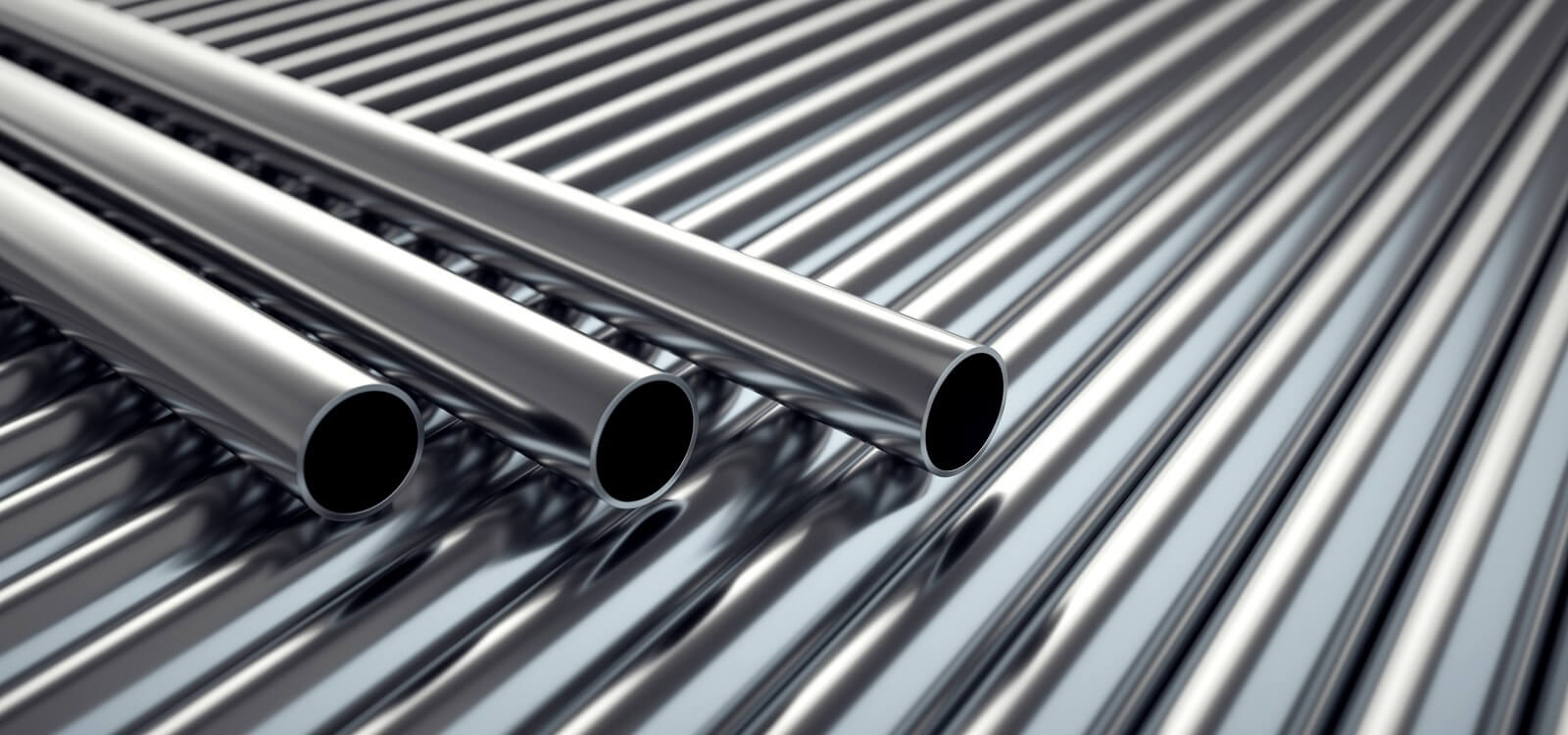
- Metal industry: cutting sheet metal, pipes and steel and aluminum profiles, and parting difficult-to-machine materials such as titanium or Inconel.
- Wood industry: cutting solid wood and composite boards, creating grooves and slots in wood-based materials.
- Plastics and composites industry: parting carbon and glass composite components, machining acrylic and polycarbonate sheets.
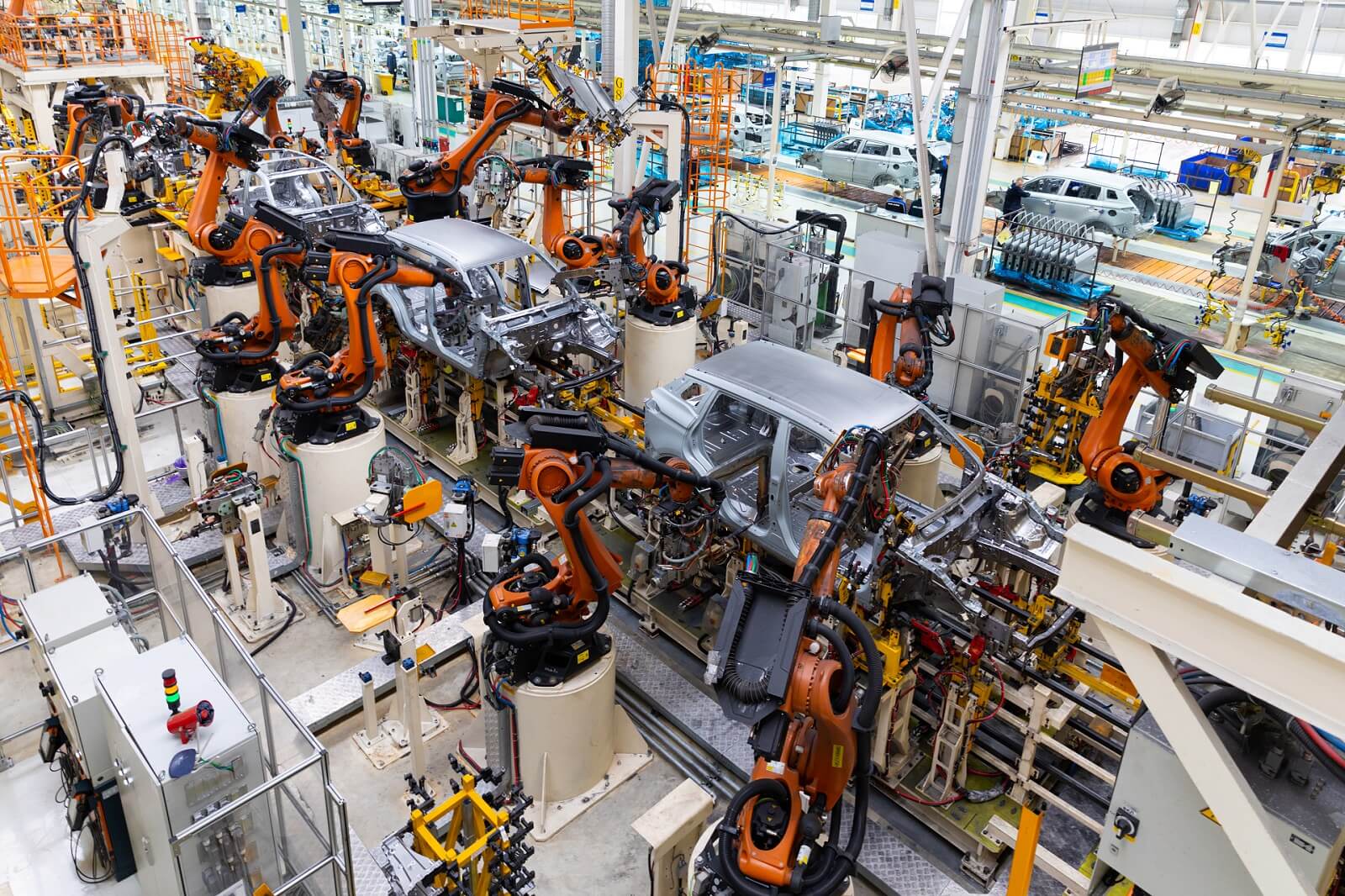
- Automotive and aerospace industries: cutting precision structural components, creating grooves for joints in load-bearing parts.
Types of teeth in slitting saw cutters
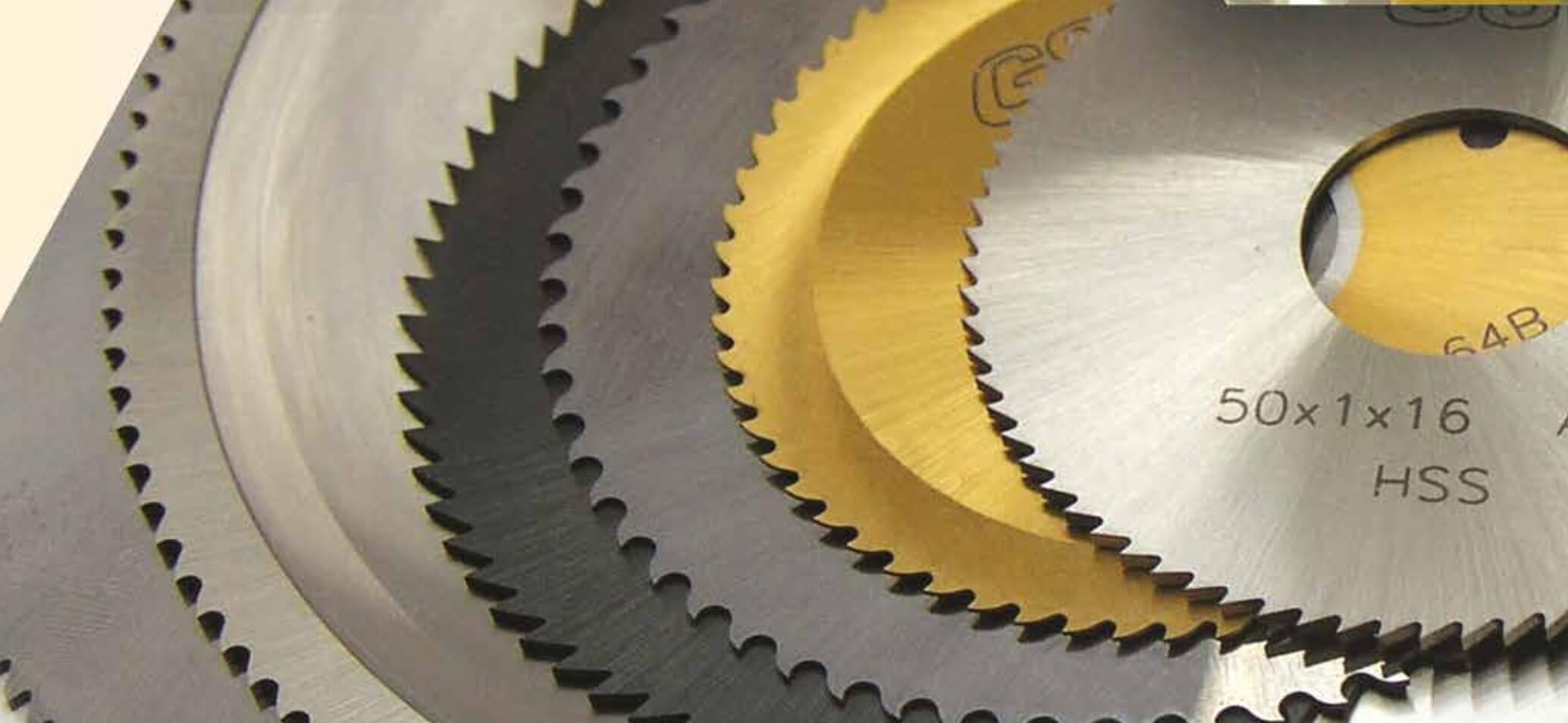
The tooth form of slitting saw cutters is crucial for their performance and range of applications. The most popular types include:
- Straight teeth: Used for fast cutting of lower-hardness materials; suitable for machining wood, plastics and soft metals.
- Trapezoidal teeth: trapezoid-shaped, allowing more accurate cutting; often used for machining hard materials such as aluminum or stainless steel.
- Alternate bevel teeth: alternately set teeth at different angles, minimizing the risk of chipping; excellent for cutting laminated materials or composites.
- Wavy teeth: arranged in a wavy pattern for smoother cutting; used for thin materials such as sheet metal or metal foils.
Cutting-edge geometry of slitting saw cutters
Cutting-edge geometry plays a key role in tool performance and precision. The most important aspects are:
- Rake angle: responsible for cutting force. Sharp angles are ideal for soft materials, while blunter angles are suitable for hard materials.
- Clearance angle: determines the quality of the surface after cutting. The smaller the angle, the smoother the finish.
- Edge radius: rounded edges increase tool life, especially when working with hard materials.
How the number and shape of teeth affect the cutting process
More teeth mean a smoother finish and less load on each tooth. This works well in machining delicate materials that require precision. Fewer teeth, on the other hand, provide faster material removal, but at the expense of surface quality. They are ideal for fast cutting. Tooth shape determines how the tool enters the material and what forces act on the tool and workpiece. For example, alternate bevel teeth minimize side forces, which is critical for thin components.
Why invest in good slitting saw cutters?
Choosing the right slitting saw cutters not only increases process efficiency, but also significantly reduces the operating costs of CNC machines. A properly selected tool:
- Reduces machining time.
- Minimizes the risk of material damage.
- Extends machine service life by reducing mechanical loads.
One manufacturer of slitting saw cutters is GSP. GSP offers high-quality milling cutters and slitting saws in its cutting tool catalog, ideal for precision machining of metals and other materials - see the GSP catalog.
Summary
CNC slitting saw cutters are versatile tools that combine the functionality provided by saws and CNC milling cutters. The variety of tooth forms and cutting-edge geometries means they can be matched to almost any material and machining process. The number and shape of teeth directly affect cutting speed, finish quality and tool load. It is therefore worth taking the time to select the right tool in order to increase production efficiency and achieve the best machining results.