




Blog
How to avoid tap breakage in CNC machining?
Threading is one of the key machining processes, requiring high precision and the right tools. Tap breakage is one of the most common problems during CNC machining, and its consequences can be costly - from damage to the workpiece material to the need to replace the tool.
We offer taps and dies from the best manufacturers of CNC tools - we also provide professional advice on selecting the right tools and machine tool accessories. We invite you to contact our representative.
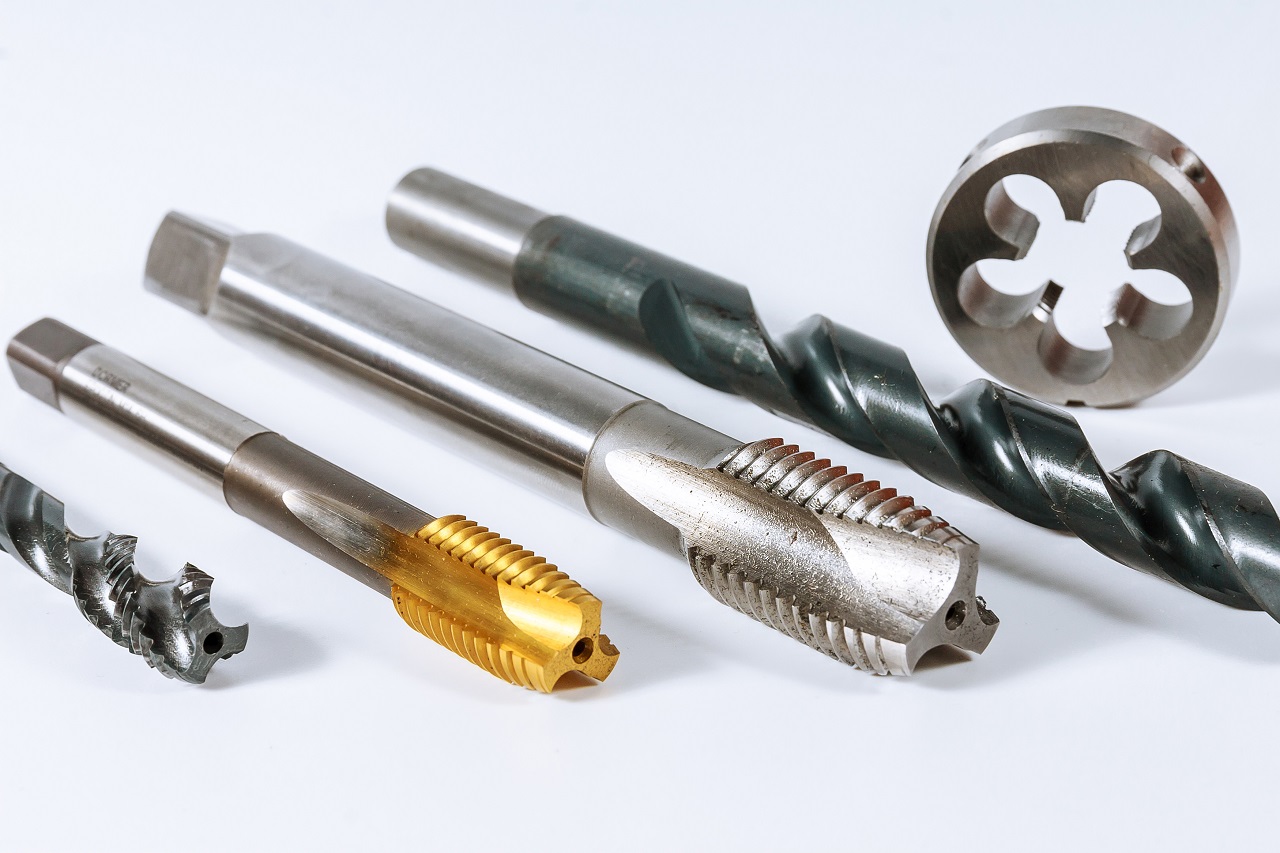
Incorrect tap selection
Choosing the wrong tool for the material or thread specification can lead to excessive tap load, which consequently increases the risk of breakage.
It is crucial to pay attention to:
- Type of tap - cutting or forming? Cutting taps are most commonly used, but for soft materials such as aluminum, forming taps may be better because they do not generate chips and minimize the risk of breakage.
- Tap material - for harder workpiece materials (e.g. stainless steel or titanium), it is worth choosing taps made of cemented carbide or with coatings that increase their durability.
- Rotational speed - too high a speed can lead to excessive heating of the tool and material, increasing friction and stress. On the other hand, too low a speed can overload the tool.
- Feed - it should match the requirements of the threaded material and the diameter of the CNC tool. It is worth using threading cycles with an appropriate division into passes to avoid excessive loads.
- Check the condition of holders - the tool should be securely mounted, and the holders must be in good technical condition.
- Regular machine calibration - checking and maintaining proper CNC machine rigidity is crucial, especially for precision operations such as threading.
- Reduced sharpness of cutting edges.
- Visible wear marks on the working surface.
- Increased cutting resistance and tool heating.
- Select tools with increased resistance to wear and high temperatures.
- Reduce rotational speed and feed to avoid overloads.
- Use high-pressure coolant or high-performance lubrication to help reduce friction and heat.
Incorrect CNC machining parameters
Excessive rotational speed or incorrect feed rate is one of the most common causes of tap breakage. Adjusting machining parameters is essential, with particular attention paid to:
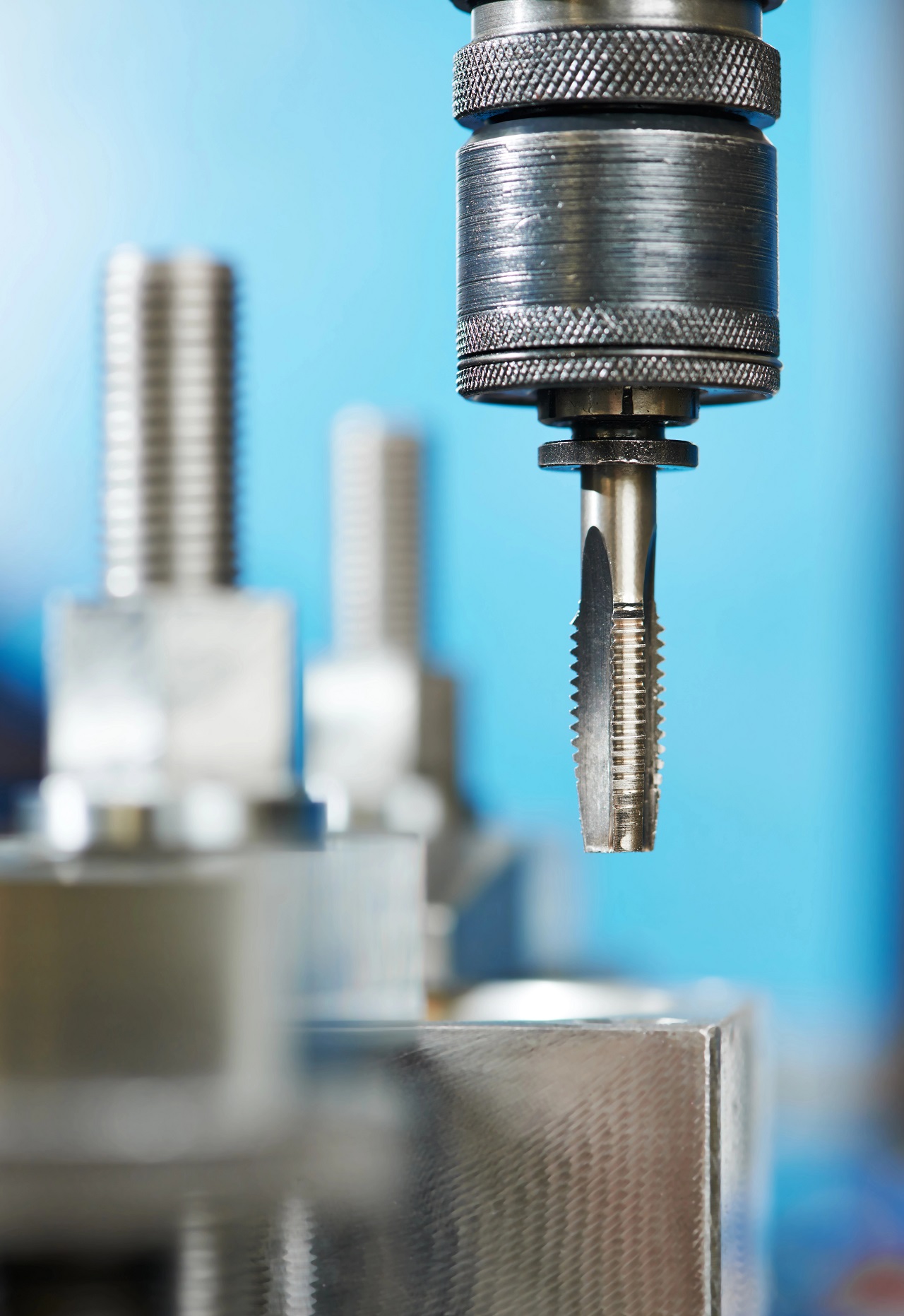
Lack of proper cooling and lubrication
Cooling and lubrication play a key role in the threading process. Lack of appropriate CNC coolant can cause the tap to heat up, which in turn weakens it and increases the risk of breakage. It is recommended to use a suitable coolant (e.g. cooling emulsion) or lubricants dedicated to threading, which minimize friction and facilitate heat dissipation.
Insufficient CNC system rigidity
Tap breakage can also result from a lack of tool stability in the holder or problems with machine rigidity. Even slight vibrations can negatively affect the threading process. To avoid this:
Poor technical condition of taps
A worn or damaged tap is more prone to breakage. Regular inspection of tool condition is one of the basic rules for keeping them in proper condition. Signs of wear include, among others:
If the tool shows such signs, it should be replaced immediately.
Improper preparation of the hole for threading
Too small or too large a hole diameter for the thread can lead to incorrect loading of tools such as taps and their breakage. Always check whether the hole diameter complies with the requirements for the given thread. The quality of the hole surface also matters - holes with significant irregularities or burrs can cause improper tap operation.
Machining difficult materials
Threading difficult-to-machine materials, such as stainless steel, titanium, or superalloys, involves additional challenges. In such cases, it is particularly important to:
Using threading cycles with appropriate parameters
When programming CNC machine tools, it is worth ensuring appropriate threading cycles. Depending on the machine software and controller (e.g. Fanuc, Siemens), different strategies can be used to divide the threading process into stages, reducing the risk of tool breakage. It is important to properly select parameters such as pass depth or tool return speed.
CNC taps - how to avoid breakage - summary
To avoid tap breakage in CNC machining, proper preparation is necessary - from tool selection and setting correct machining parameters to ensuring proper cooling. Regular monitoring of tool condition and proper preparation of holes for threading can significantly increase tool life and the quality of produced threads. Take care of each of these elements, and you will minimize the risk of problems related to tool damage during operation.