




Blog
The Most Common Coolant Problems in CNC Machines and How to Avoid Them
Coolant in CNC machines is not only an element that supports the machining process, but a key fluid that determines part quality, tool life, and machine efficiency. Improper maintenance or selection of coolant for CNC machines can lead to a range of problems that generate additional costs and production downtime.
We comprehensively supply CNC production, offering not only coolants but also cutting tools, turning tools, milling cutters, and other essential CNC tools. Thanks to our offer, you have everything you need for a smooth and efficient production process. We invite you to contact us.
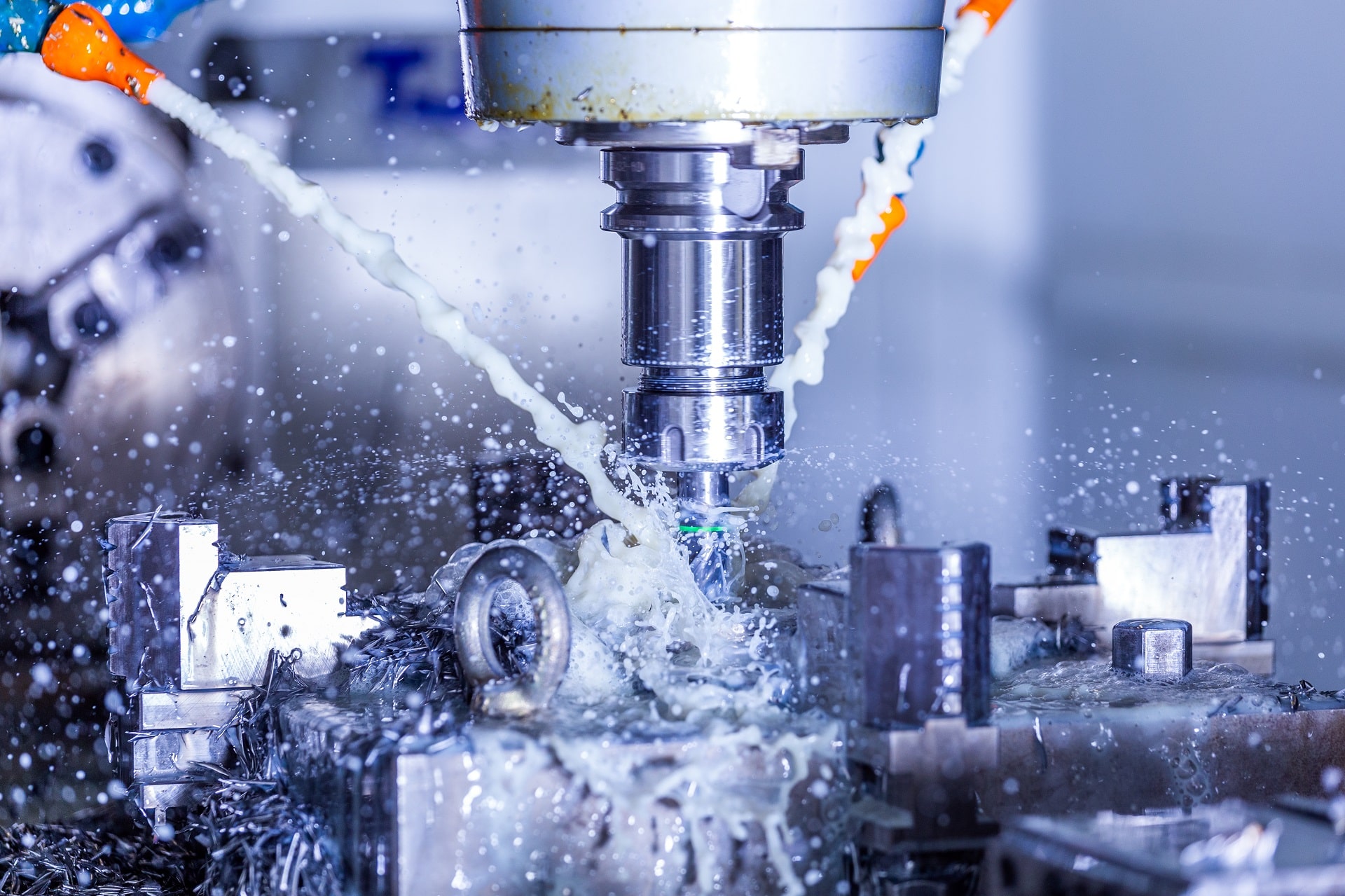
1. Bacterial growth and unpleasant odor
This is one of the most common problems and a signal that CNC coolant has lost its properties. Bacteria and fungi develop in contaminated environments, especially in oil emulsions. This leads to:
- Unpleasant odor: The effect of anaerobic fermentation.
- Color change: The coolant becomes darker.
- Lower pH: The risk of corrosion increases.
- Deteriorated lubricity: This shortens the life of CNC cutting tools.
How to avoid this?
- Regular pH and concentration checks: Use a refractometer to monitor coolant concentration. The optimal pH should be in the range of 8.5-9.5.
- Tank cleanliness: Ensure regular cleaning and disinfection of the coolant tank.
- Adding biocides: In cases of severe contamination, specialized coolant additives can be used.
2. Coolant foaming
Excessive foaming of coolant for CNC machines is another common problem that can result from several causes:
- Excessive pressure: Coolant delivered at too high a pressure may foam.
- Contamination: Presence of tramp oils (machine oils, hydraulic oils) or detergents.
- Too low concentration: Emulsions with too low a concentration are more prone to foaming.
How to avoid this?
- Select the concentration according to the manufacturer's recommendations: Make sure the coolant concentration is optimal.
- Use an antifoam agent: In the case of excessive foaming, an antifoaming agent can be used.
- Regularly remove tramp oils: A skimmer, or oil collector, is a simple but effective device for removing oil from the coolant surface.
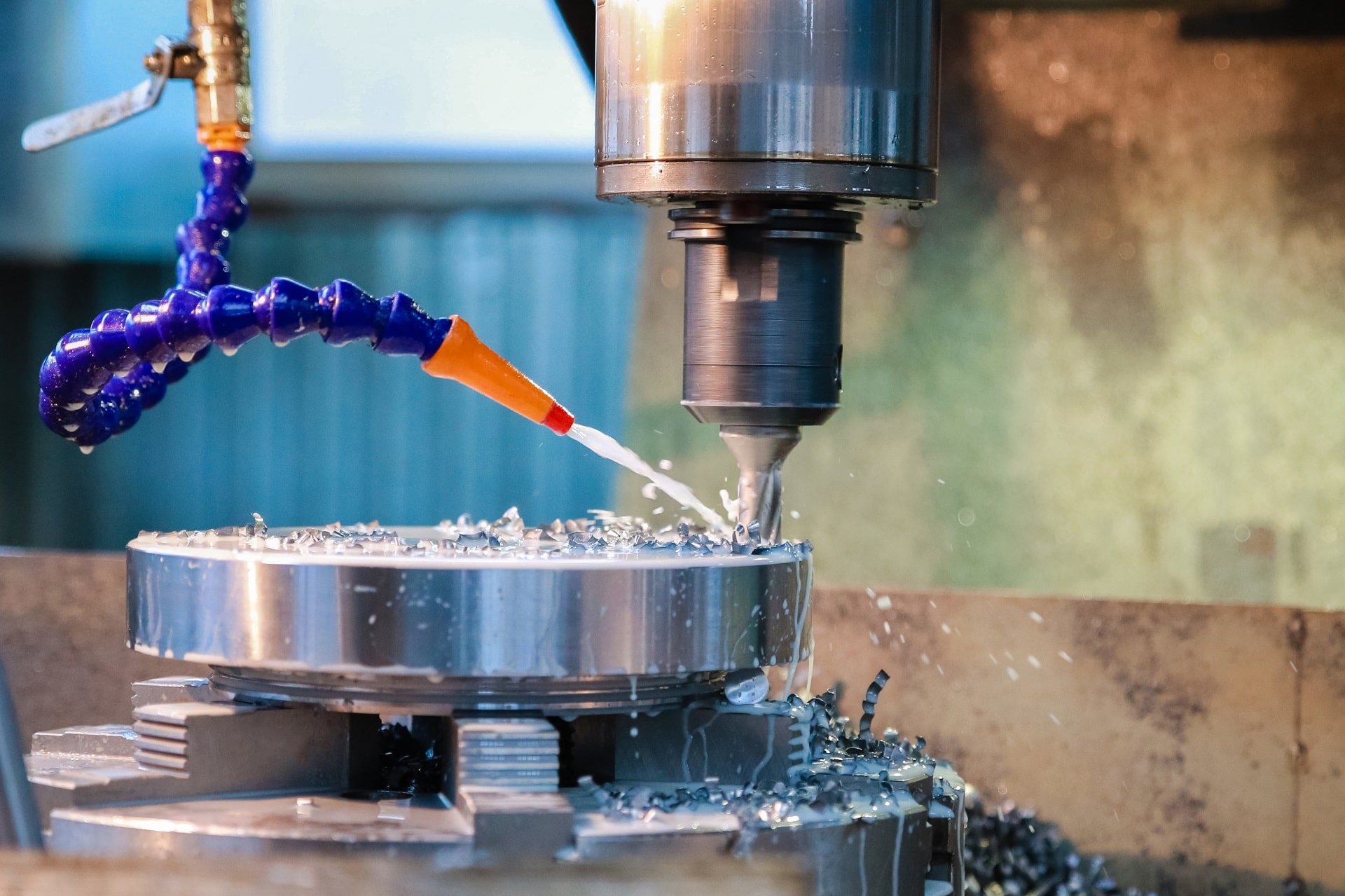
3. Corrosion of machines and tools
Corrosion is a serious problem that can damage CNC tools and the machines themselves, leading to costly repairs. The main causes are:
- Too low coolant concentration: Low concentration weakens anti-corrosion properties.
- Low pH: A drop in coolant pH below 8.0 significantly increases the risk of corrosion.
- High water hardness: Calcium and magnesium ions in hard water can react with components of coolant for CNC machines, creating deposits and reducing its effectiveness.
How to avoid this?
- Use water with the appropriate hardness: Ideally demineralized or distilled water for preparing the solution.
- Maintain concentration and pH at the proper level: Regular measurements are essential.
- Choose coolants with high-quality corrosion inhibitors: Good-quality emulsions contain additives that protect metal against oxidation.
Summary of CNC coolant problems
| Problem | Causes | Solution |
|---|---|---|
| Unpleasant odor / bacteria | Contamination, low pH, lack of maintenance | pH and concentration checks, tank cleaning, biocides |
| Coolant foaming | Excessive pressure, tramp oils, low concentration | Concentration selection, antifoam agent, oil skimmer |
| Corrosion of machines and tools | Low concentration, low pH, hard water | Concentration and pH checks, use of soft water, corrosion inhibitors |
Remember that proper selection and regular maintenance of CNC coolant is an investment that pays off through longer cutting tool life and trouble-free operation of the CNC machine. At Technar, our offer includes, among others, Masterfluid coolant - an ecological semi-synthetic microemulsion-based coolant, with a formula that helps meet certification requirements in the aerospace industry.