




Blog
Types of materials used in the production of milling cutter heads
CNC milling cutter heads are a key element in the machining process, where tool precision and durability are extremely important for the final result. Choosing the right materials for the production of milling cutter heads is the basis for their performance, wear resistance, and efficiency when machining various materials. Let us look at the most popular materials used in the production of these tools.
Our offer includes high-quality milling cutter heads and complete tooling for CNC machines from renowned manufacturers. We provide technical consulting and assistance in selecting the right solution for your production; please contact us
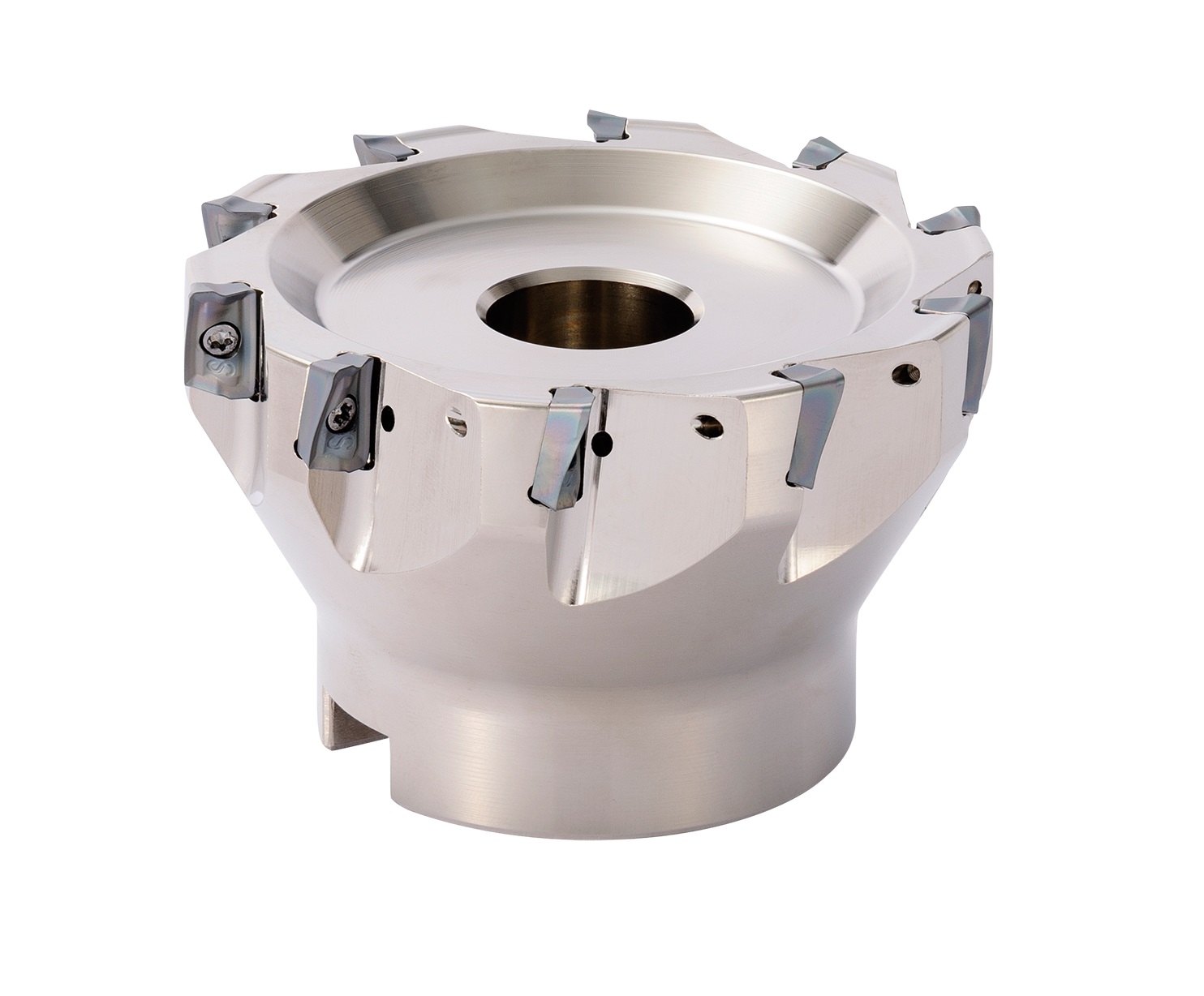
Milling cutter heads made from tool steels
Tool steels are among the most commonly used materials in the production of milling cutter heads. They are valued for their high strength, hardness, and abrasion resistance. Different types of tool steels are distinguished:
- Carbon steels - used in simpler tools where there are no requirements for extreme strength.
- Alloy steels - containing additives such as chromium, vanadium, or molybdenum, which increase their resistance to high temperatures and wear.
Application: Milling cutter heads made from tool steels are often used in less demanding applications and in the machining of wood and plastics.
Carbides in the production of CNC cutter heads
Carbides are one of the most advanced materials used in the production of milling toolsincluding cutter heads. They consist of a mixture of metals (most often tungsten, titanium, or tantalum) and a metallic binder, such as cobalt. This material is characterized by exceptional hardness, wear resistance, and the ability to work at high temperatures.
Advantages:
- Exceptional durability, especially when machining hard metals.
- Resistance to deformation and abrasion.
Application: Carbide milling cutter heads are widely used in the metalworking, aerospace, and automotive industries, where precise and fast machining is required.

Ceramic milling cutter heads
Ceramic milling cutter heads are a solution used mainly for machining hard metals and high-temperature alloys. This material is characterized by high hardness, resistance to heat and corrosion. Technical ceramics, such as aluminum oxide (Al₂O₃) or silicon nitride ceramic mixtures, perform well in conditions requiring high cutting speeds.
Advantages:
- Resistance to very high temperatures.
- Long service life when machining difficult-to-cut materials.
Disadvantages: Ceramic is more brittle, which limits its use under high dynamic loads.
Use of titanium alloys
Milling cutter heads made from titanium alloys are becoming increasingly popular in applications requiring high strength and low weight. Titanium is an excellent material thanks to its corrosion resistance, high mechanical strength, and lightness.
Application: It is used mainly in the aerospace industry and for machining materials that require minimal thermal impact.
Composite materials
In advanced machining technologies for CNC toolscomposite materials are increasingly used, combining different mechanical and chemical properties. Such cutter heads can be made from a combination of carbide and metals or ceramics and polymers.
Advantages:
- The ability to adapt properties to the specific requirements of the application.
- Reduced cutter head weight without losing strength.
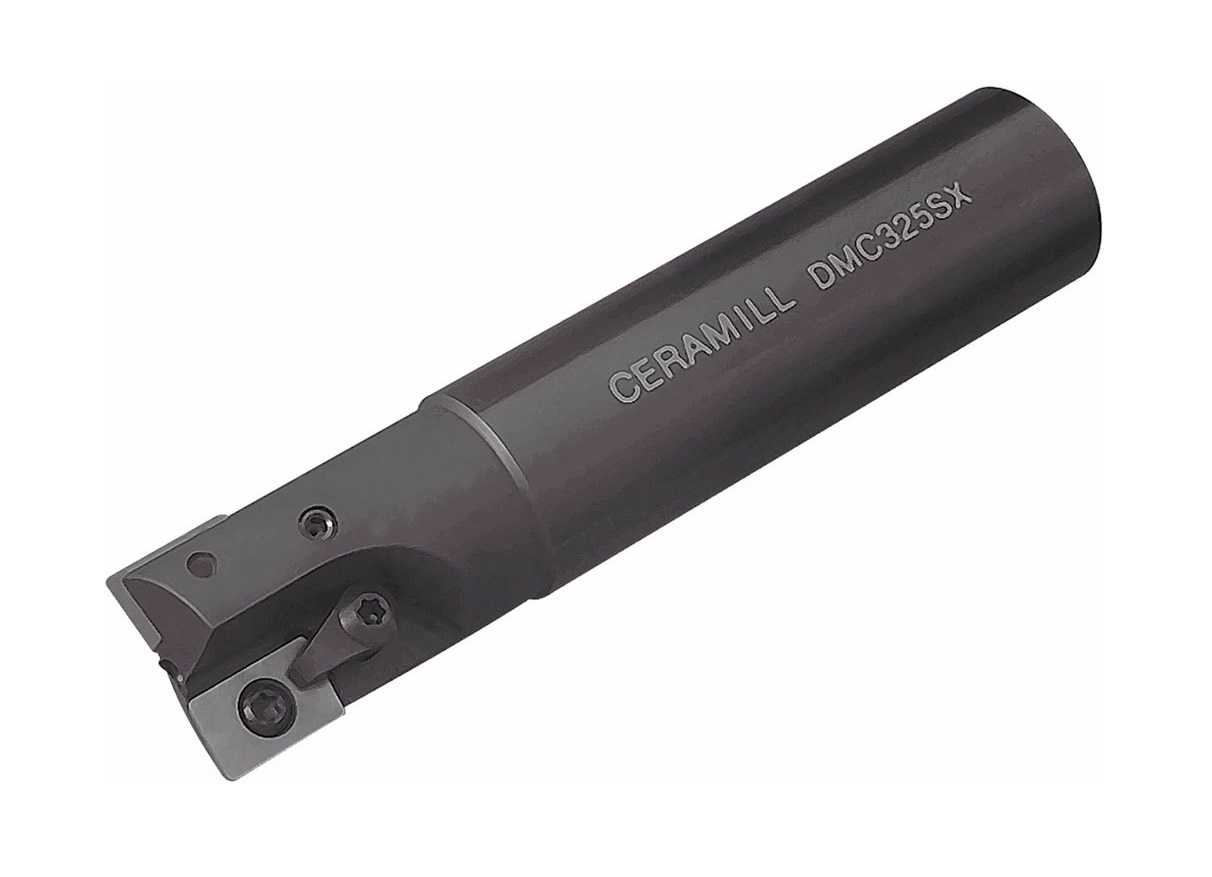
Polycrystalline diamond (PCD)
PCD is one of the hardest materials used in the production of milling cutter heads. It is used for machining non-metallic materials such as wood, plastics, composites, and aluminum.
Advantages:
- Unmatched abrasion resistance in machining.
- Long service life compared with other materials.
Summary
The choice of material from which a milling cutter head is made is crucial to its performance and durability. Tool steels, carbides, technical ceramics, titanium alloys, composite materials, and polycrystalline diamond are only some of the materials used in their production. Selecting the right material depends on the machining specifics, the type of workpiece material, and working conditions. It is worth investing in high-quality milling cutter heads that ensure precise results and long service life. Whether in the aerospace, automotive, or metalworking industry, properly selected milling cutter heads guarantee efficiency and reliability in every production process.