




Blog
CNC toolholders and machining process stability: how to avoid vibration and play?
In machining processes, tool stability is one of the key factors affecting production quality, precision, and efficiency. Vibrations and play can lead to many problems, such as tool wear, reduced surface quality, and even damage to the workpiece material. The proper selection of toolholders is fundamental to ensuring tool stability and minimizing the risk of vibration.
Toolholders, lathe centers, milling arbors, and many other clamping solutions for CNC machine tools can be found in our company's offer. We recommend the best CNC tooling from renowned manufacturers. Please contact us.
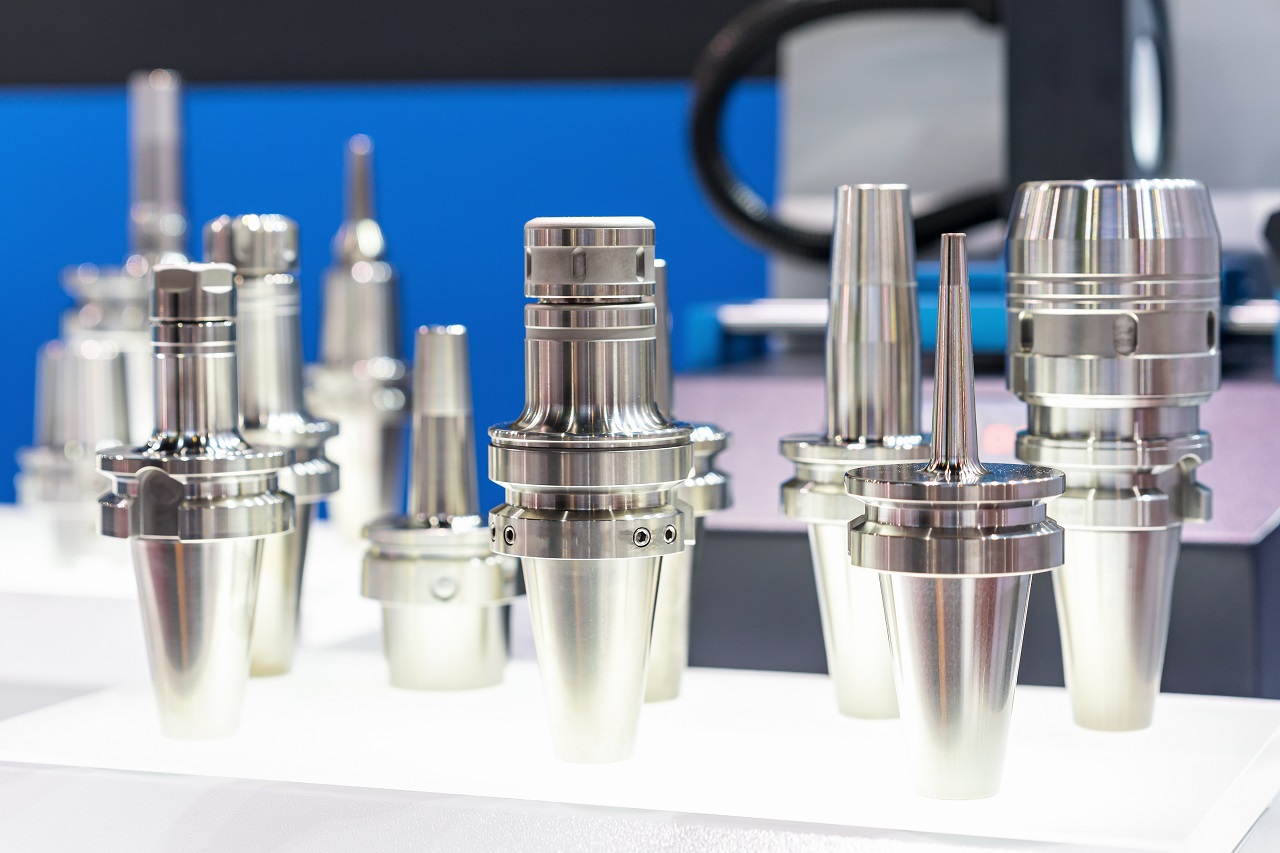
The impact of vibration on the CNC machining process
Vibration during CNC machining is a natural phenomenon that occurs as a result of cutting forces and the interaction between the tool and the material. The problem arises when these vibrations reach too high a level, which can lead to:
- Reduced surface quality - vibrations cause micro-scratches and irregularities on the machined part, which may require additional finishing operations.
- Wear of CNC tools - vibrations place a greater load on the cutting tool, shortening its service life and leading to more frequent replacements.
- Inaccurate dimensions - lack of tool stability results in dimensional errors, which may lead to the production of defective parts.
How do toolholders affect stability?
Toolholders act as the connector between the cutting tool and the machine tool. Their task is not only to hold the tool in the correct position, but also to minimize vibration and ensure stability during operation. The right choice of toolholder can significantly affect the quality of the machining process by:
- Reducing play - high-precision holders minimize clearance between the tool and the holder, preventing tool movement during machining.
- Reducing vibration - holders made from high-quality materials and equipped with vibration damping systems effectively eliminate tool vibration.
- Increasing clamping rigidity - holders with a robust design ensure secure tool holding, minimizing the risk of tool displacement during intensive cutting operations.
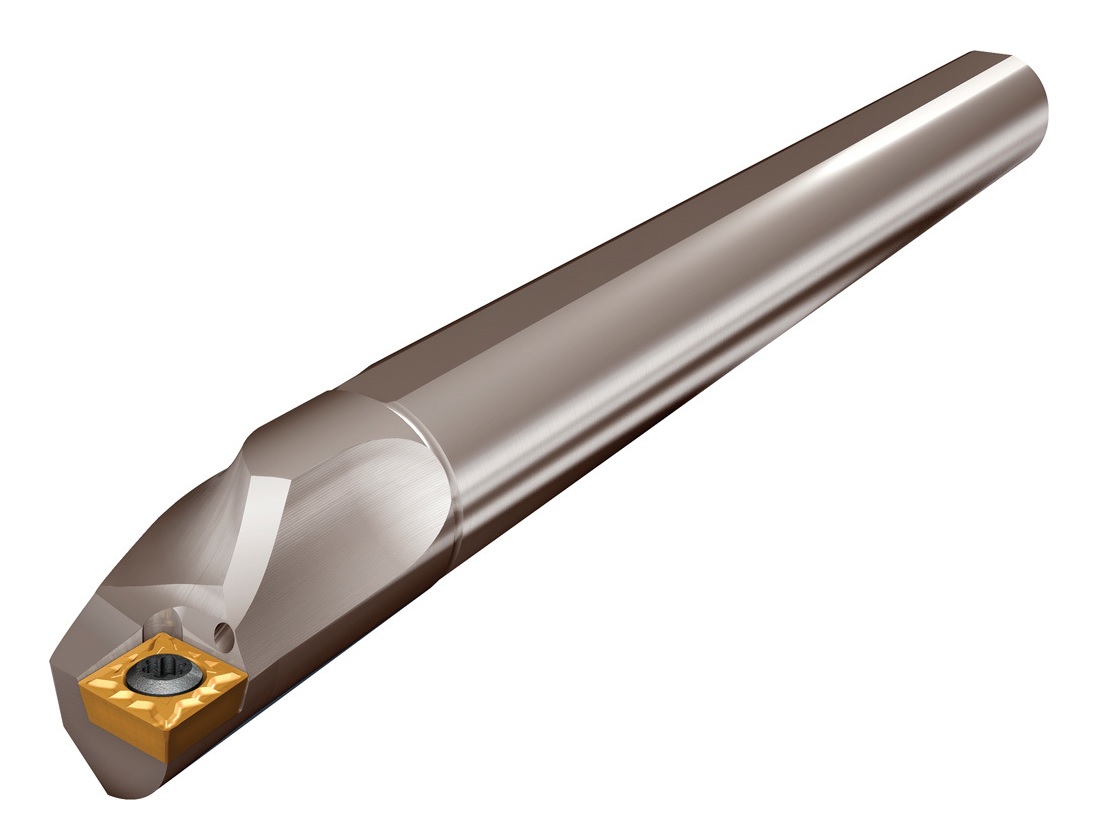
Key types of toolholders that ensure stability
The choice of the right toolholder depends on the type of machining, the material, and the required precision. Here are several types of holders that effectively reduce vibration and increase tool stability:
- Shrink Fit holders - provide minimal clearance between the tool and the holder, resulting in high stability and reduced vibration.
- Hydraulic holders - use hydraulic pressure to clamp the tool, allowing uniform pressure and excellent vibration damping.
- Weldon holders - feature a side screw clamp that provides strong tool holding, ideal for machining heavy-duty materials.
- HSK (Hollow Shank Taper) holders - holders with excellent stability, ideal for high-speed machining.
How to avoid play and vibration: practical tips
In addition to selecting the right toolholders, there are several additional steps you can take to reduce vibration and play during CNC machining:
- Regular holder maintenance - checking wear, cleaning, and lubricating holder components helps maintain their functionality and precision.
- Proper clamping of cutting tools - make sure the tool (e.g. a drill or turning tool) is precisely fitted and firmly held, with no play.
- Optimization of machining parameters - adjust speeds, feeds, and cuts to the capabilities of the machine and holders to reduce the risk of vibration.
- Use of dynamic vibration damping - in advanced operations, it is worth investing in vibration damping systems integrated with tools or toolholders.
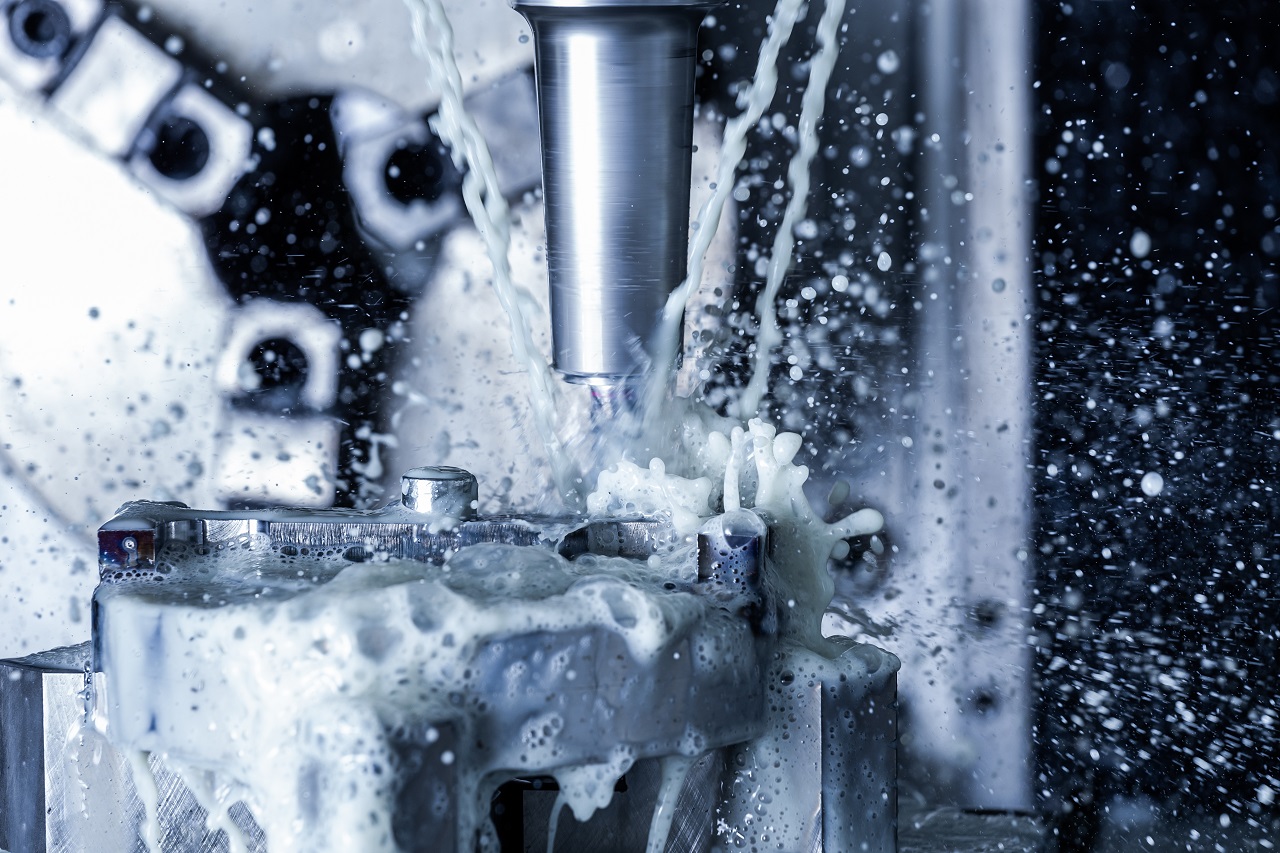
Benefits of minimizing vibration
Reducing vibration and play in the CNC machining process has many advantages, including:
- Improved surface quality - parts are smoother, eliminating the need for further finishing operations.
- Extended tool life - less vibration means lower loads on cutting tools, which leads to longer tool durability.
- Reduced number of production defects - a stable tool allows more precise dimensions to be achieved and reduces the risk of defective parts.
- Increased production efficiency - a stable tool works faster and more efficiently, shortening machining cycle time and reducing downtime.