




Blog
Selection of cutting parameters
It is no secret that the proper selection of cutting parameters is crucial for the quality, efficiency and costs of the production process. In this article, we discuss what incorrect parameter selection can affect, how to choose the right values and what factors should be considered.
Are you looking for tools for CNC machine tools or machine tooling to carry out an efficient machining process? We offer products from Kyocera, Osawa, Yamawa, Nachi and many other manufacturers. We invite you to contact our representative.
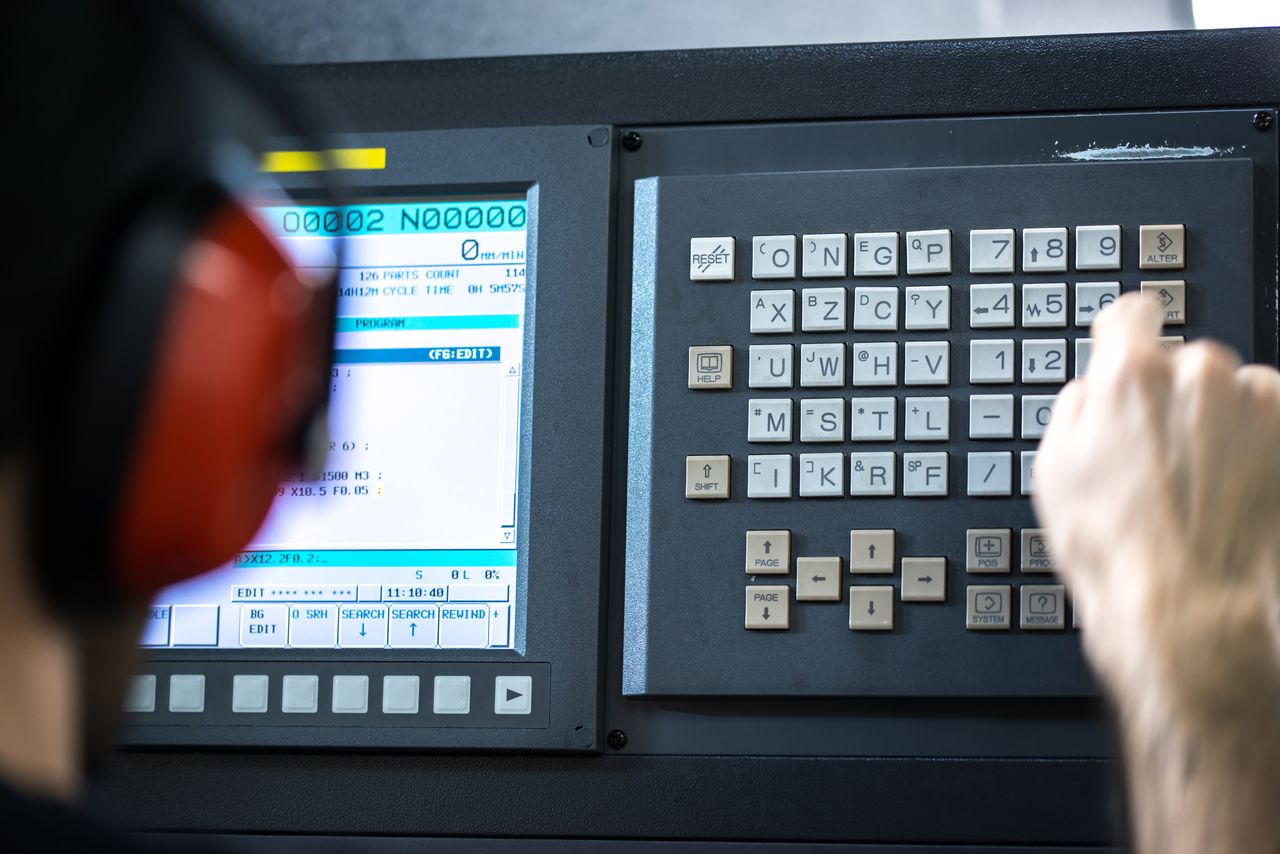
Effects of incorrect cutting parameter selection
Incorrect selection of cutting parameters can lead to a number of negative consequences that significantly affect the machining process and the final product. These may include:
- Faster tool wear: Incorrect cutting parameters, such as excessive cutting speed or improper feed, can lead to accelerated wear of cutting tools , shortening their service life.
- Lower surface quality: Excessive feed can cause irregularities and defects on the surface of the machined workpiece, requiring additional finishing.
- Vibrations: Incorrect parameters can cause vibrations that negatively affect machining precision and may damage both the tools and the workpiece material.
- Material overheating: Excessive cutting speed or inadequate cooling can lead to material overheating, which affects its mechanical properties and may cause deformation.
- Extended machining time: Non-optimal parameters can lead to longer machining time, increasing production costs.
How to select the right cutting parameter values
Selecting the right cutting parameter values requires taking into account several key activities, such as:
- Analysis of the workpiece material in terms of type and hardness - soft metals such as aluminum can be machined at higher cutting speeds, while hard materials such as stainless steel require a more cautious approach.
- Selection of cutting tools - choosing the right cutting tool geometry (cutting angles, number of cutting edges) affects machining efficiency. As for materials, cemented carbides, ceramics and polycrystalline diamonds (PCD) offer different wear resistance and hardness properties.
- Setting the cutting speed (vc) - use cutting tool catalogs provided by tool manufacturers, which include cutting speed recommendations for different materials and tool types. A useful formula for cutting speed is:
where (Dc) is the tool diameter, and (n) is the spindle speed. - Feed rate selection (vf) - the feed should be adapted to the type of machining (roughing, finishing) and the material. The formula for feed per minute is:
where (fn) is the feed per revolution, and (n) is the spindle speed. - Depth of cut - the depth of cut should be adapted to the machine power, the stability of the tool-holder system and the material properties.
- Using cutting parameter calculators - using online calculators can greatly simplify the selection of cutting parameters. These calculators allow values to be quickly converted based on the specified material and tool, minimizing the risk of errors.
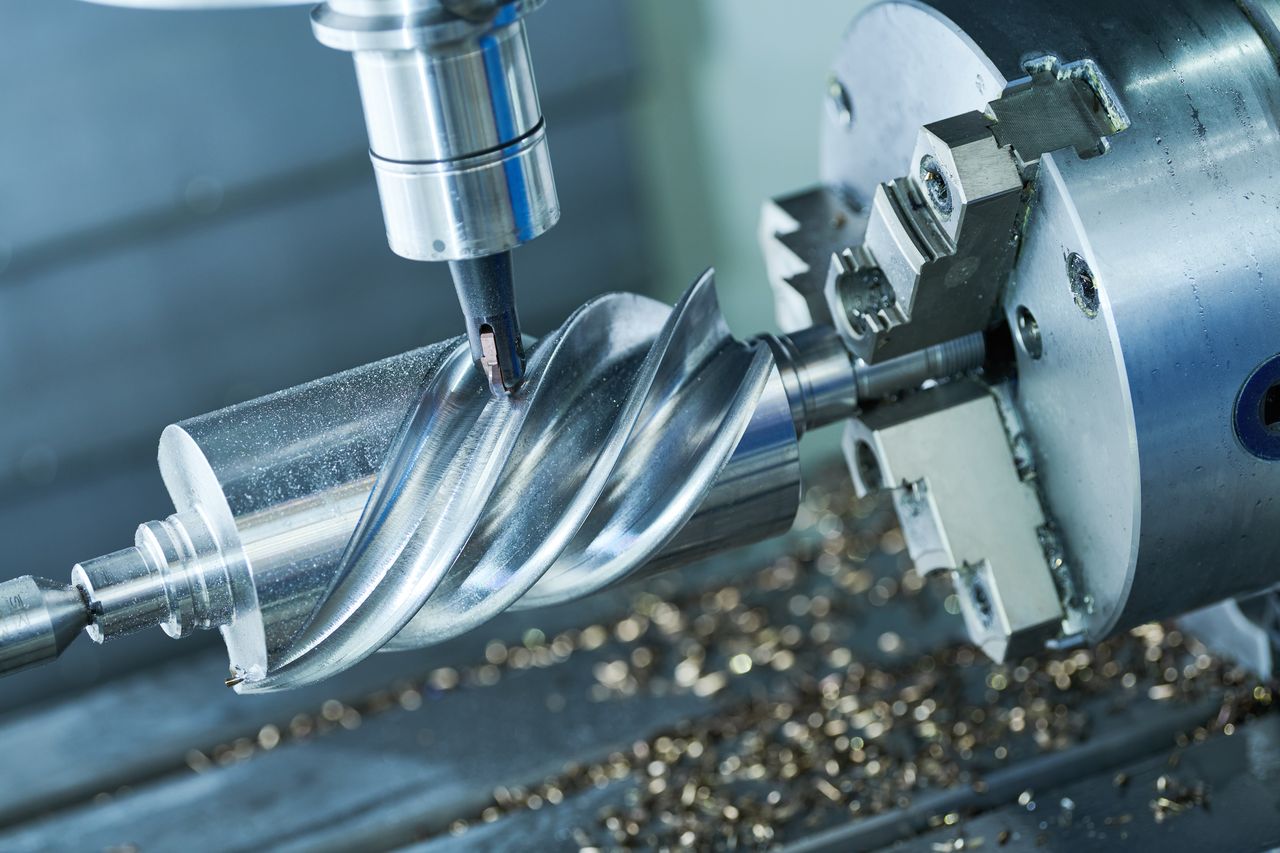
Additional factors to consider
In addition to basic cutting parameters such as speed, feed and depth of cut, there are several additional factors that have a significant impact on the efficiency and quality of machining on CNC machine tools. These are:
- Cooling - proper cooling is crucial for reducing the temperature in the cutting zone, which prevents overheating of the tool and material, so choosing the right coolant and its application method (e.g. internal or external cooling) is important.
- Machine and tool stability - ensuring proper machine stability and rigidity of the tool-holder system reduces vibrations and improves machining quality.
- Process monitoring - regular monitoring of tool condition and the quality of machined surfaces allows cutting parameters to be adjusted on an ongoing basis. Modern CNC systems are often equipped with sensors monitoring vibrations, temperature and tool wear.