




Blog
Turning inserts in specialist applications
The modern CNC machining industry is developing dynamically, and demand for tools with high precision and durability continues to grow. In specialized sectors such as aerospace, energy, medical, and automotive, cutting processes must meet very strict requirements for precision, efficiency, and tool durability. Turning inserts play a key role in these applications, enabling efficient machining of demanding materials.
Cutting inserts and other CNC tools in Technar's offer guarantee high quality and a product base from renowned manufacturers. Check our cutting tool catalogs and contact our representative.

Specialist applications - high-requirement industries
Some industries require turning inserts not only to provide precision, but also to cope with extreme working conditions. The most common specialist applications include:
- Aerospace industry: Machining components made from high-strength materials such as titanium, nickel alloys, and composites used in aircraft structures. These materials are difficult to machine, requiring turning inserts with exceptional resistance to abrasion and high temperatures.
- Energy industry: In the production of turbines and energy installation components, alloys with very high hardness and resistance to high temperatures are often used. Turning inserts must ensure not only precise finishing, but also long service life in extreme conditions.
- Medical industry: When machining surgical instruments, implants, or prostheses, exceptional precision and the highest surface finish quality play a key role. Materials used in the medical industry, such as titanium or stainless alloys, require turning inserts with high hardness and corrosion resistance.
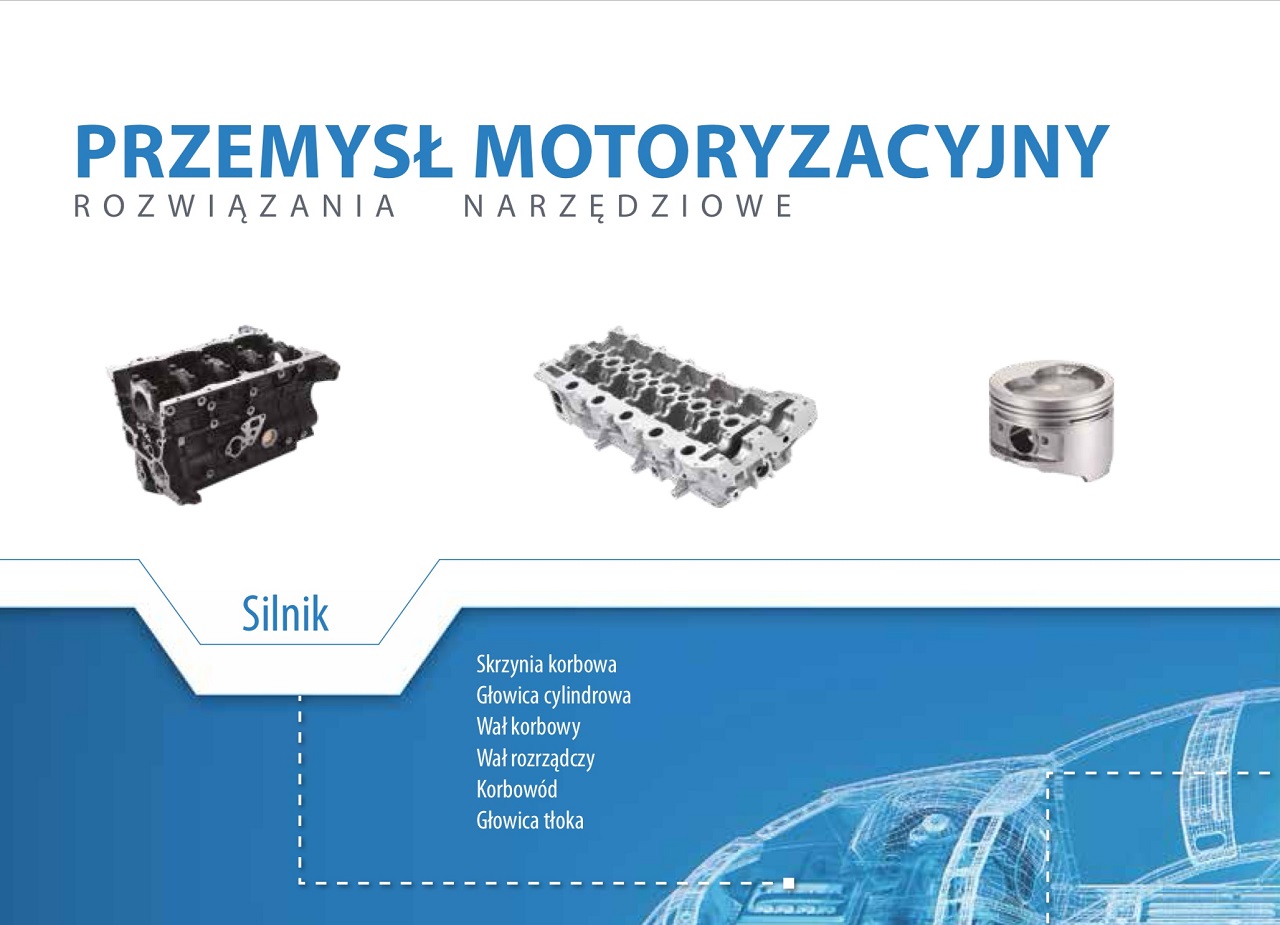
- Automotive industry: Engine, gearbox, and exhaust system components are produced from materials resistant to high temperatures and abrasion. CNC inserts must therefore meet requirements related to fast machining and precise finishing of large production series.
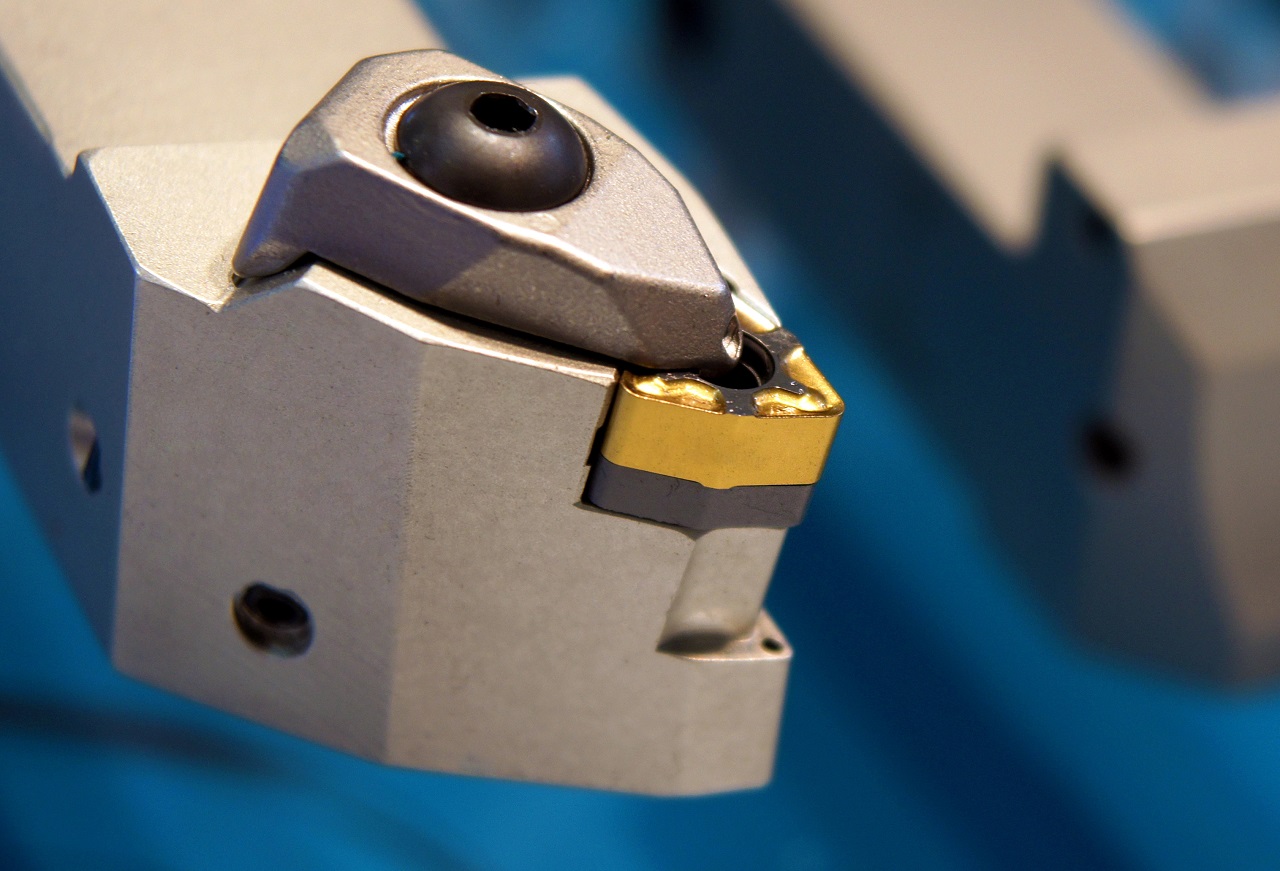
Turning insert materials for special tasks
Turning inserts used in standard operations are often made from cemented carbides. However, when machining difficult-to-cut materials or working in extreme conditions, standard tools such as carbide inserts are not always sufficient. Below are several materials used in turning inserts for special tasks:
- Ceramics: Ceramic inserts, made from aluminum oxide (Al2O3), are extremely wear-resistant and ideally suited for dry machining of high-hardness materials, such as nickel alloys, which are difficult to machine using traditional inserts.
- CBN (boron nitride): CBN inserts are ideal for machining very hard materials such as hardened steel. They offer excellent wear resistance and high thermal stability, making them ideal in applications where tool temperature reaches extreme values.
- PCD (polycrystalline diamond): Diamond inserts are ideal for machining non-metallic materials such as aluminum, copper, composites, and plastics. They are not only durable, but also provide excellent surface finish, which matters in the aerospace and medical industries.
Insert geometry and its application
The high requirements placed on CNC tools in specialist applications mean that manufacturers must pay particular attention to their geometry. The right insert geometry can significantly affect:
- Reduced cutting forces,
- Improved machining efficiency
- Reduced risk of microcracks in the machined material
When machining high-hardness materials, inserts with sharp, durable cutting edges are used, capable of maintaining their efficiency in long production cycles. In turn, when working with materials of lower hardness but with a greater tendency to accumulate heat, inserts with specially designed chip evacuation channels help cool the turning tool and extend its service life.
Technological innovations in turning insert production
The CNC machining industry constantly strives to improve tools to meet growing requirements. Over the years, several innovations have been introduced that significantly increase the performance of turning inserts in specialist applications:
- Protective coatings: Modern coatings such as TiAlN (titanium aluminum nitride) or TiCN (titanium carbonitride) increase insert resistance to high temperatures, improve wear resistance, and reduce friction.
- Hybrid technologies: Combining different materials in one insert, for example a hard core with a soft coating resistant to high temperatures, makes it possible to obtain tools with better performance in longer production cycles.
- Advanced quality control: Modern testing methods allow more accurate monitoring of turning insert quality, ensuring that every batch of tools meets high standards of durability and precision.

Summary
Turning inserts in specialist applications must meet extreme requirements, both in terms of durability and machining precision. In industries such as aerospace, energy, automotive, and medical, where every detail matters, proper tool selection is crucial to production success. Thanks to innovative technologies such as advanced protective coatings, ceramics, CBN, and PCD, modern turning inserts enable precise and efficient machining of difficult-to-cut materials.
Investing in high-quality tools is not only a way to improve product quality, but also to reduce operating costs and increase the efficiency of production processes.