




Blog
Loading the tool magazine - how to properly prepare CNC tools for a new operation?
Every machine stoppage means lost money, and the time spent retooling a machine tool (the so-called setup) is one of the most critical moments in the production process. Mistakes made during tool preparation can result not only in a ruined workpiece, but also in a costly spindle collision. How can you carry out the tool magazine loading process efficiently and safely?
Are you looking for proven CNC tools or need comprehensive advice on selecting machine tool equipment? Contact us now - Technar experts will help you match the ideal solution to your machine park.
1. Tool selection: Do not guess, check tool catalogs
The first step is always technology analysis. A common mistake among operators is choosing drills or milling cutters "by eye" or using whatever happens to be lying on the table. Before you take a tool out of the cabinet, consult the tool catalogs.
Why is this so important? The manufacturer's catalog precisely defines parameters such as maximum overhang, recommended CNC coolant, and cutting parameters for a given material. What worked for milling aluminum may destroy the tool when machining stainless steel.
2. Mounting in the holder - cleanliness is essential
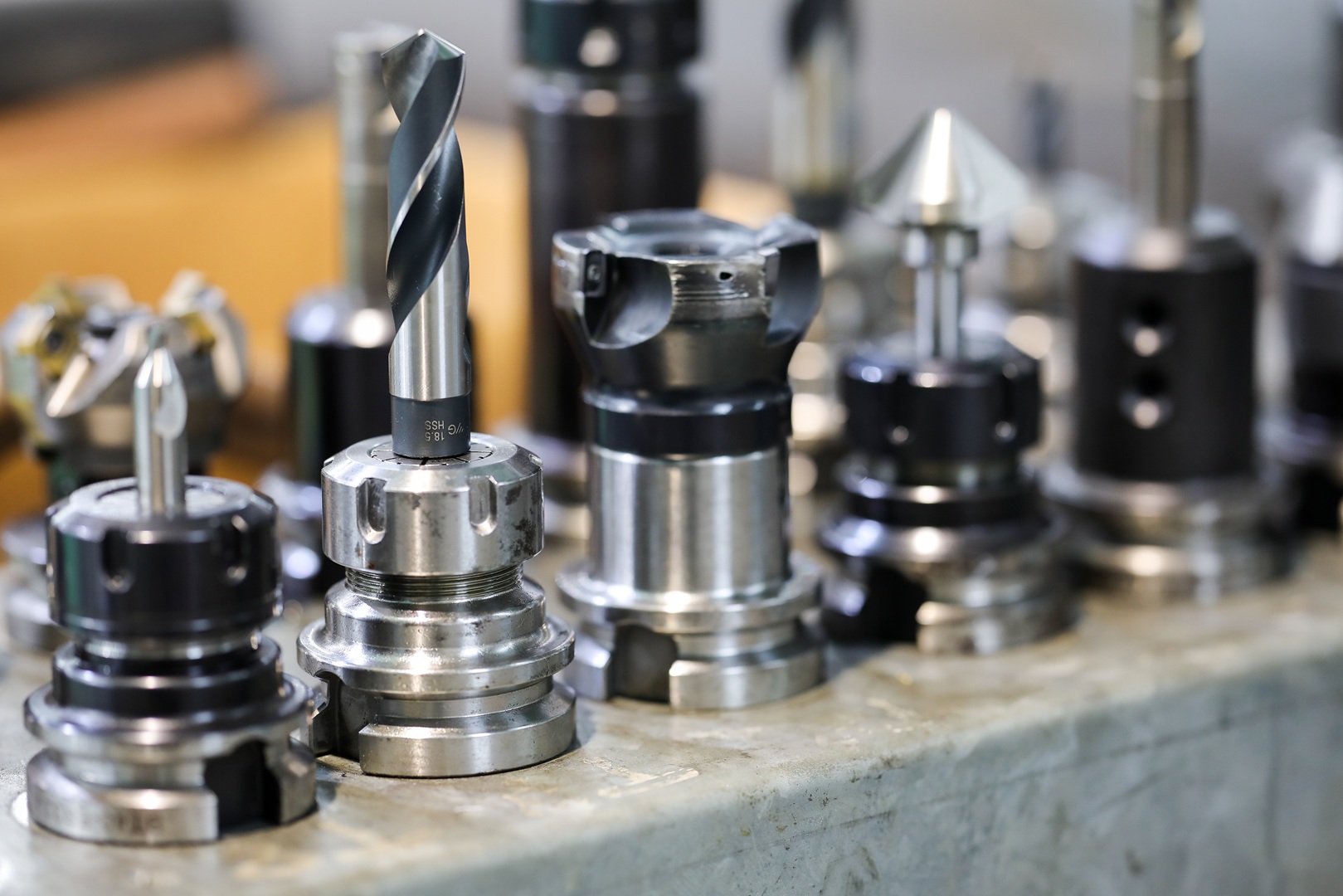
Look at your CNC tools before inserting them into the machine. Are the holder tapers shiny and clean? Are the collets free of chips in the slots? This is the stage - at the assembly bench - where tool life is determined.
- Seat verification: Even the smallest chip trapped between the collet and the milling cutter will cause radial runout. Runout destroys the cutting edge and generates vibrations, drastically shortening the life of the cutting tool.
- Correct tightening torque: Use torque wrenches. If the nut is tightened too weakly, the milling cutter may be pulled out of the holder during operation (for example, at a large engagement angle), while excessive tightening can permanently deform the collet.
- Tool overhang: Mount tools as short as possible, but as long as necessary. Excessive overhang means a larger lever arm and lower system rigidity.
3. Checking the cutting edge condition
Before placing the assembly in the magazine, carefully inspect the working part. If you use tools from previous processes, make sure they have no chipped corners or built-up material. In drilling, a dull CNC drill will not only make an unattractive hole, but will also place a much greater load on the machine spindle in the Z axis.
4. Measurement and data entry (Offsets)
A professionally assembled tool (holder with tool) should go to a presetting device (presetter). Measuring the actual length and diameter outside the machine saves valuable machining center operating time.
Tip: Remember to pay attention to the pocket number in the magazine when entering data into the control. A mistake when assigning a tool number (for example T5 instead of T6) is one of the most common causes of collisions during the first pass.
Summary
Correct magazine loading is a process that requires care. Keeping holders clean and verifying parameters in catalogs is an investment that pays off in repeatable dimensions and longer spindle operation. Remember that a CNC machine is only as precise as the weakest link in the clamping system.