




Blog
Turning inserts - a universal tool in CNC cutting operations
Multi-edge turning inserts offered by us, as well as other cutting tools, can be found in our product range. Choose a turning toolholder and inserts from renowned manufacturers - Contact our representative.
Classification of turning inserts
In terms of cutting-edge geometry, turning inserts can be divided into positive and negative inserts:
- positive inserts - occur only as single-sided inserts. They are more stable during light operations, which minimizes the risk of vibration and chatter. Positive turning inserts are suitable for machining precise and delicate components.
- negative inserts - can be double-sided or single-sided. They are used in turning operations where deep cutting and heavy-material machining are required. Negative inserts can generate higher cutting forces, which may affect lathe stability. They are less suitable for machining delicate materials and precision tasks.
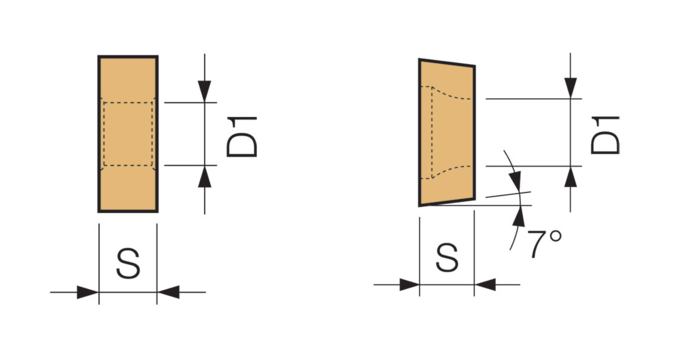
The division into inserts with positive and negative geometry allows CNC machine operators to choose tools according to the characteristics of the machining process and the type of materials they work with. Another classification of turning inserts can also be distinguished, for example by shape or material. Using the right type of turning insert affects the efficiency of the turning process and the quality of the obtained parts.
Applications of turning cutting inserts
The use of inserts is a key element in the turning process, directly affecting the efficiency, precision and quality of final products. Cutting inserts are widely used in various industrial sectors, performing diverse functions in material cutting processes. They are used in both small-batch and mass production, enabling quick and precise manufacturing of various components.
An important aspect of using turning inserts is the ability to adapt them to different types of materials, from metals through plastics to composites. New turning inserts dedicated to specific materials allow the machining process to be optimized while achieving the desired mechanical and aesthetic properties of the parts.
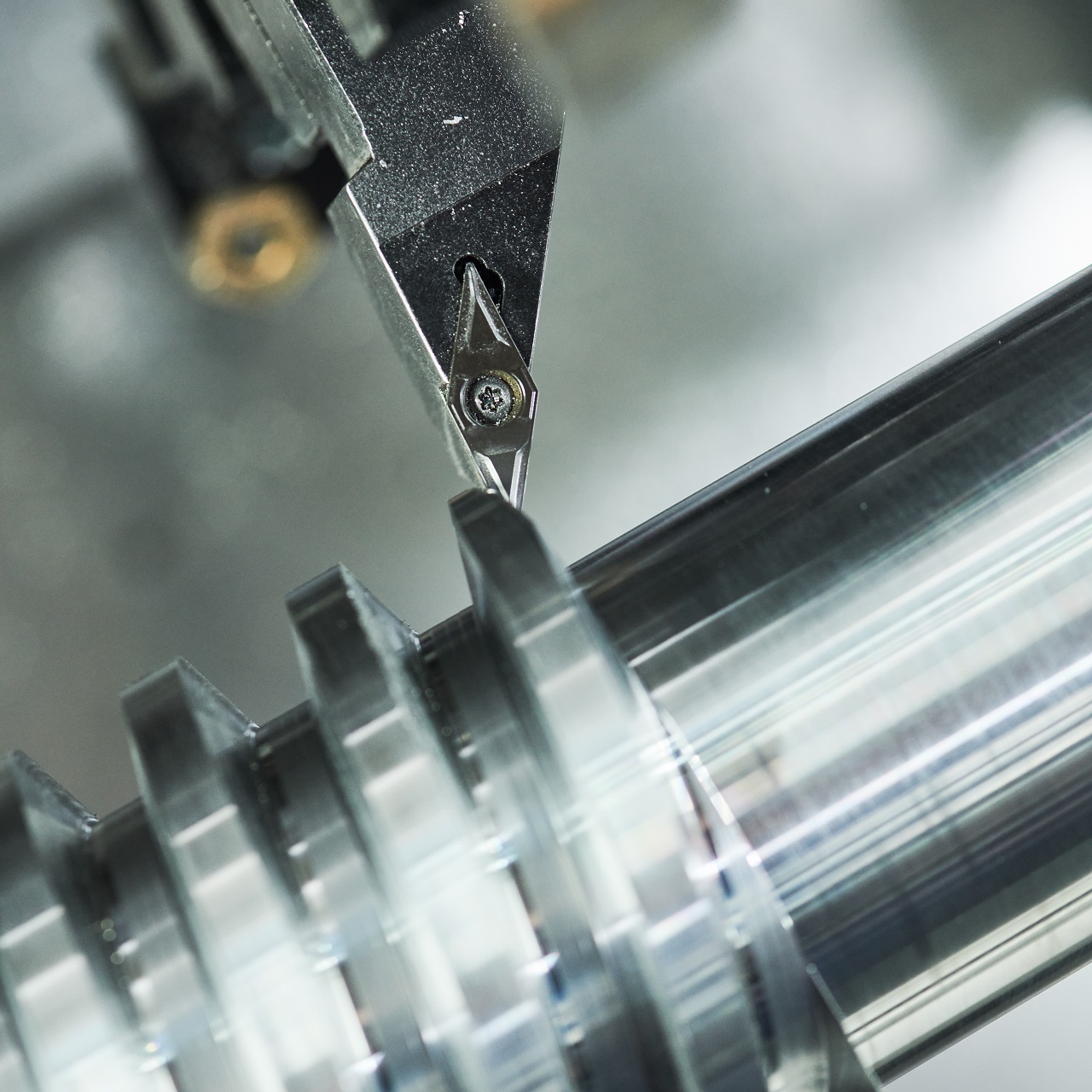
Multi-edge inserts - characteristics
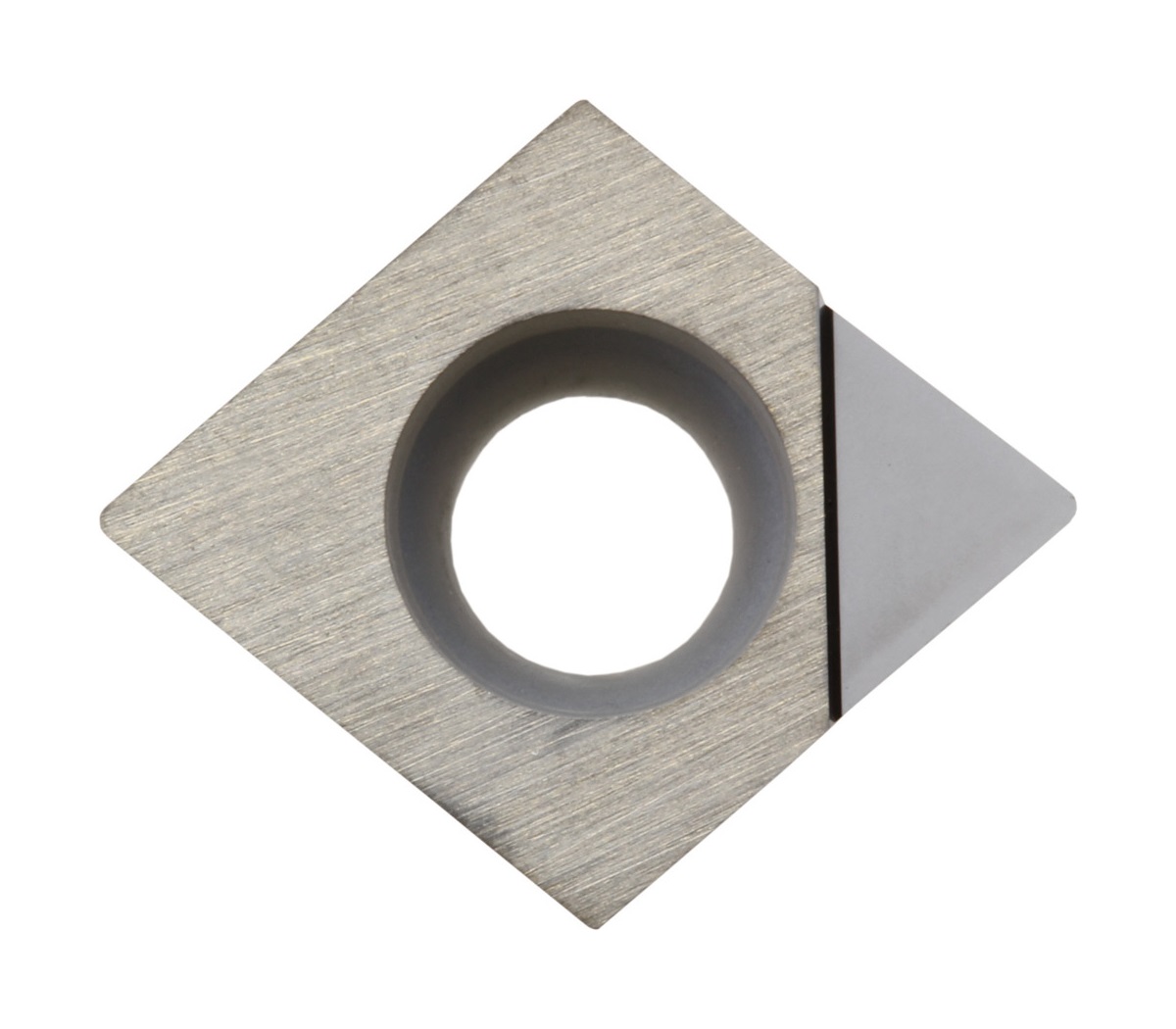
Multi-edge inserts are used in cutting operations and are characterized by having several cutting edges on one insert. They feature an innovative design that enables multiple cutting operations to be performed simultaneously with one tool. Thanks to their versatility and ability to cut simultaneously on many planes, they are a popular choice in manufacturing. Multi-edge cutting inserts come in various shapes, e.g. triangular or rhombic multi-edge inserts.
Properties of multi-edge turning inserts
We already know that multi-edge inserts are characterized by a unique design with several cutting edges on one insert. This translates into a number of important properties:
- application versatility: thanks to their ability to cut simultaneously on many planes, multi-edge inserts are universal and adapt to various turning operations.
- cutting efficiency: multi-edge turning inserts enable multiple cutting operations to be carried out simultaneously, shortening the machining cycle time.
- reduced tool changeover time: the ability to perform many operations at once eliminates the need for frequent tool changes, reducing machine downtime.
- durability and strength: multi-edge inserts are designed for durability and strength, making them resistant to intensive loads.
Turning insert manufacturers continue to introduce newer tool technologies to enable increasingly efficient cutting operations.
Turning insert manufacturers
Multi-edge turning inserts are available from many leading CNC cutting tool manufacturers such as Kyocera, Nikko Tools and Dormer Pramet. You will find a wide range of multi-edge inserts from these brands in our cutting tool offer.