




Blog
Milling inserts in machining strategy: serial production vs. one-off production
Milling inserts and other cutting tools are not only consumable components; they are one of the key factors affecting machining strategy, cycle times, and the final cost of a part.
In our offer, you will find CNC tool catalogs from renowned manufacturers such as Kyocera, Osawa and Nikko Tools. We offer a wide selection of cutting inserts, milling cutters, drills, and special tools adapted to various materials and applications. We invite you to contact us.
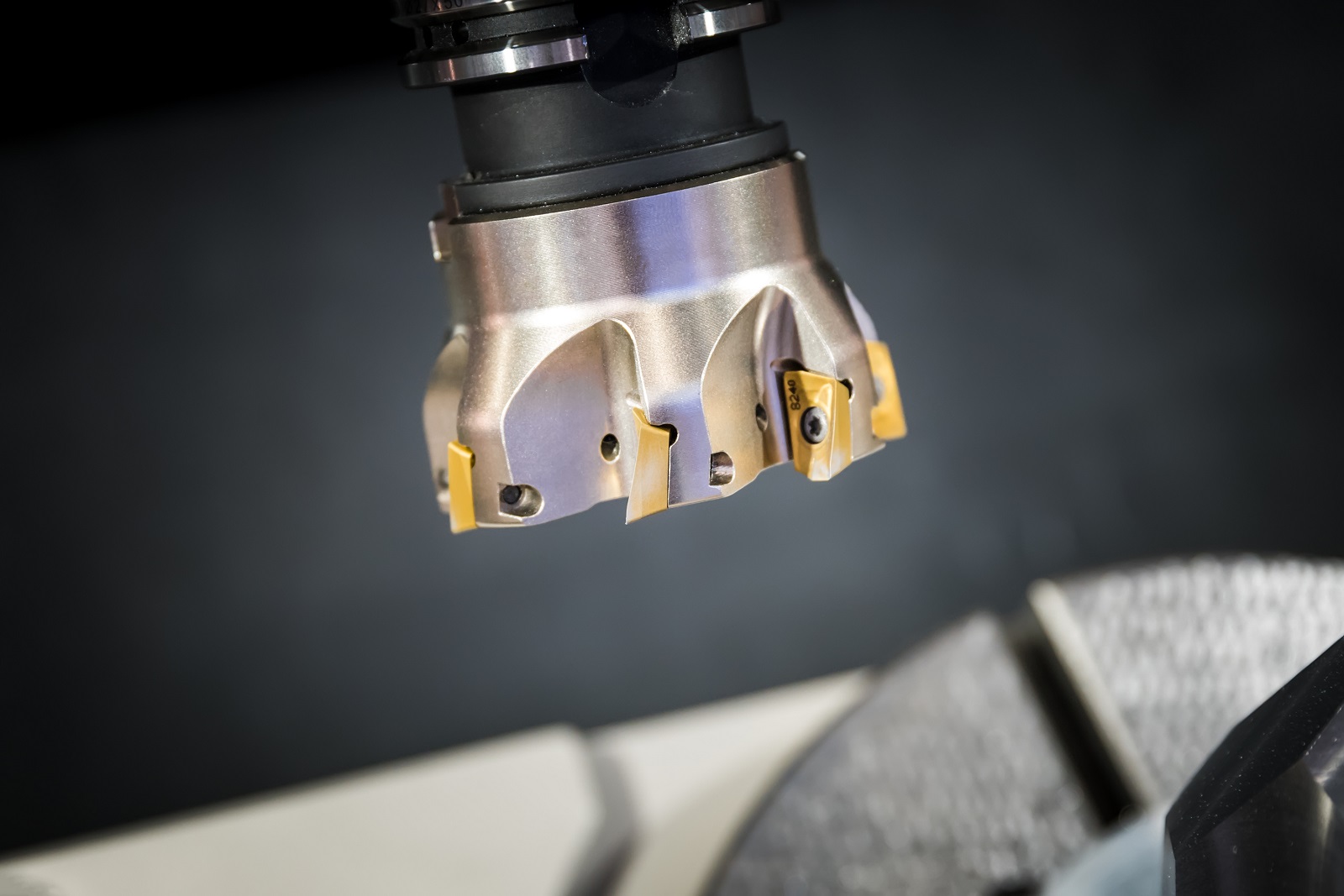
Milling inserts in one-off production: flexibility and versatility
One-off production, meaning the manufacture of single parts or short runs, requires high flexibility. In such conditions, milling inserts must be versatile and easy to change over. What matters is:
- quick insert replacement without the need to change the entire tool,
- the ability to work with different materials, such as steel, aluminum, and plastics,
- resistance to variable cutting conditions.
In one-off production, the most important factors are setup and finishing time, versatility, and ease of changeover. This is an environment where the following are often used:
- cutting inserts with neutral geometry, such as 90° or 45°, for a wide range of materials,
- universal grades, such as P30 and M20, which allow a compromise between durability and versatility,
- tools with a larger number of working edges to reduce the cost per part.
Milling inserts in serial production: durability and repeatability
In serial production, the most important factors are productivity, repeatability of machining parameters, and minimization of downtime. Therefore, cutting inserts used in this type of production should be characterized by:
- high wear resistance,
- precisely defined geometry and tolerance class,
- the ability to work at high speeds and feeds.
The use of high-quality cutting tools with properly selected inserts enables stable and safe work in long production runs. In a high-volume production environment, every micron of deviation, every second of cycle time, and every unexpected tool change translates into real costs. Here, milling inserts are selected for a specific material and strategy:
- dedicated geometries with chip control, such as PM, MM, and SM, depending on the material and depth of cut,
- grades optimized for ISO, such as P15 for mild steel at high speeds and K10 for cast iron,
- multilayer coatings, such as AlTiN + TiCN, to increase resistance to oxidation and abrasion in HSC.
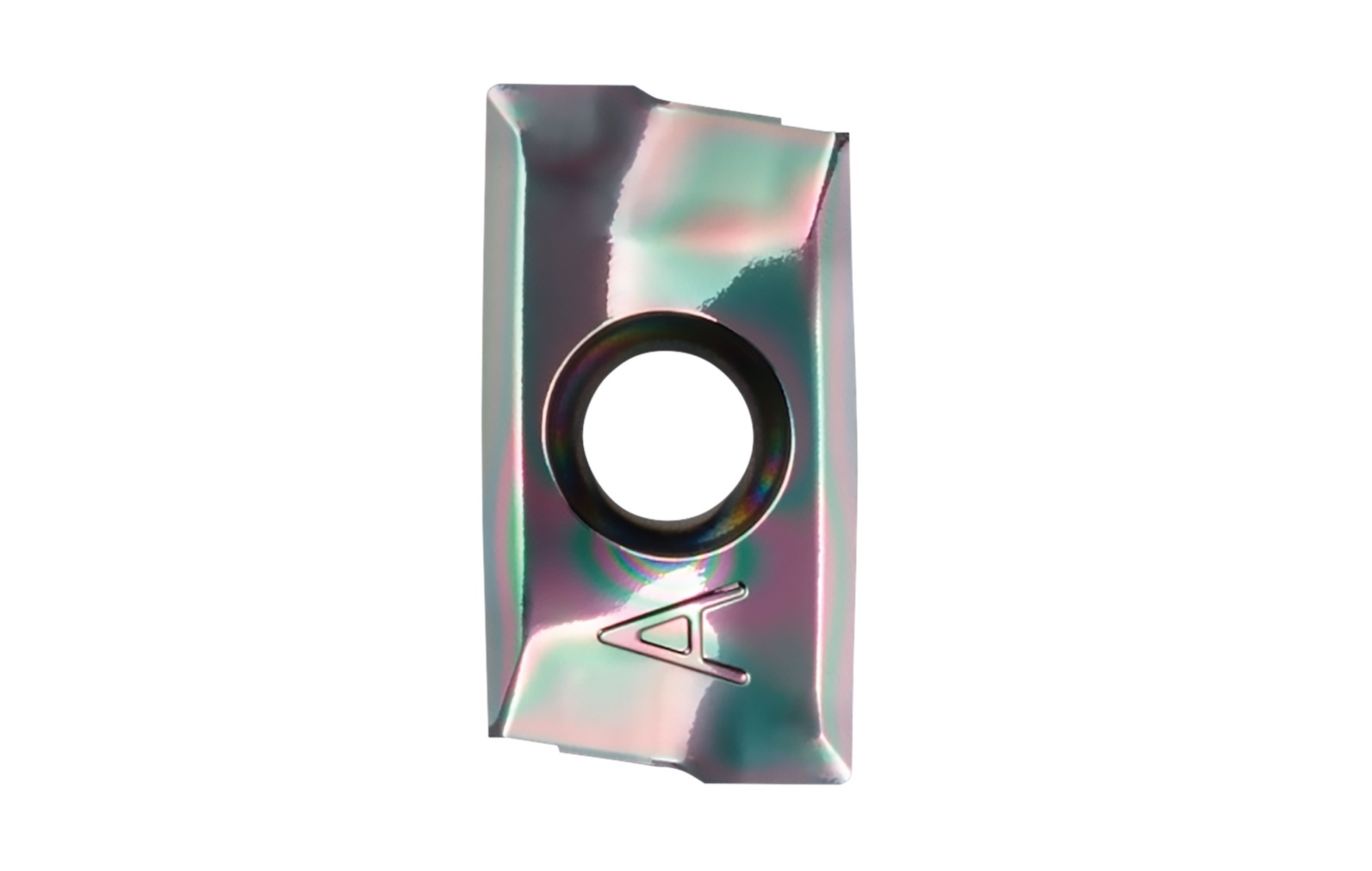
Comparison table:
| Parameter | One-off production | Serial production |
|---|---|---|
| Insert type | Universal, neutral geometry | Dedicated, optimized geometry |
| Selection criterion | Versatility, low price | Durability, precision, wear minimization |
| Tolerance for deviations | High | Low: high control over repeatability |
| Tool wear | Acceptable, variable | Monitored, standardized |
Summary: a different approach, the same goal
Although cutting inserts in both types of production serve the same purpose, efficient machining, their selection and use look completely different. In one-off production, flexibility matters, while in serial production, process optimization and predictability are key. Understanding these differences makes it possible not only to select better cutting tools, but also to build a competitive advantage in the manufacturing process.