




Blog
The Impact of Turning Insert Geometry on Machining Quality
In CNC machining, precision and surface quality are extremely important for achieving excellent accuracy results. One of the key factors affecting these parameters is the geometry of the turning insert. The shape and rake angle of turning inserts have a direct impact on the machining process and the quality of the resulting surface. In this article, we look at how different aspects of turning insert geometry affect the performance of cutting tools and what benefits can be achieved through the right selection of these tools.
We offer everything you need for turning operations on CNC machine tools in your company. Turning tools, cutting inserts and CNC tooling from renowned manufacturers - check our tool catalogs and contact us.
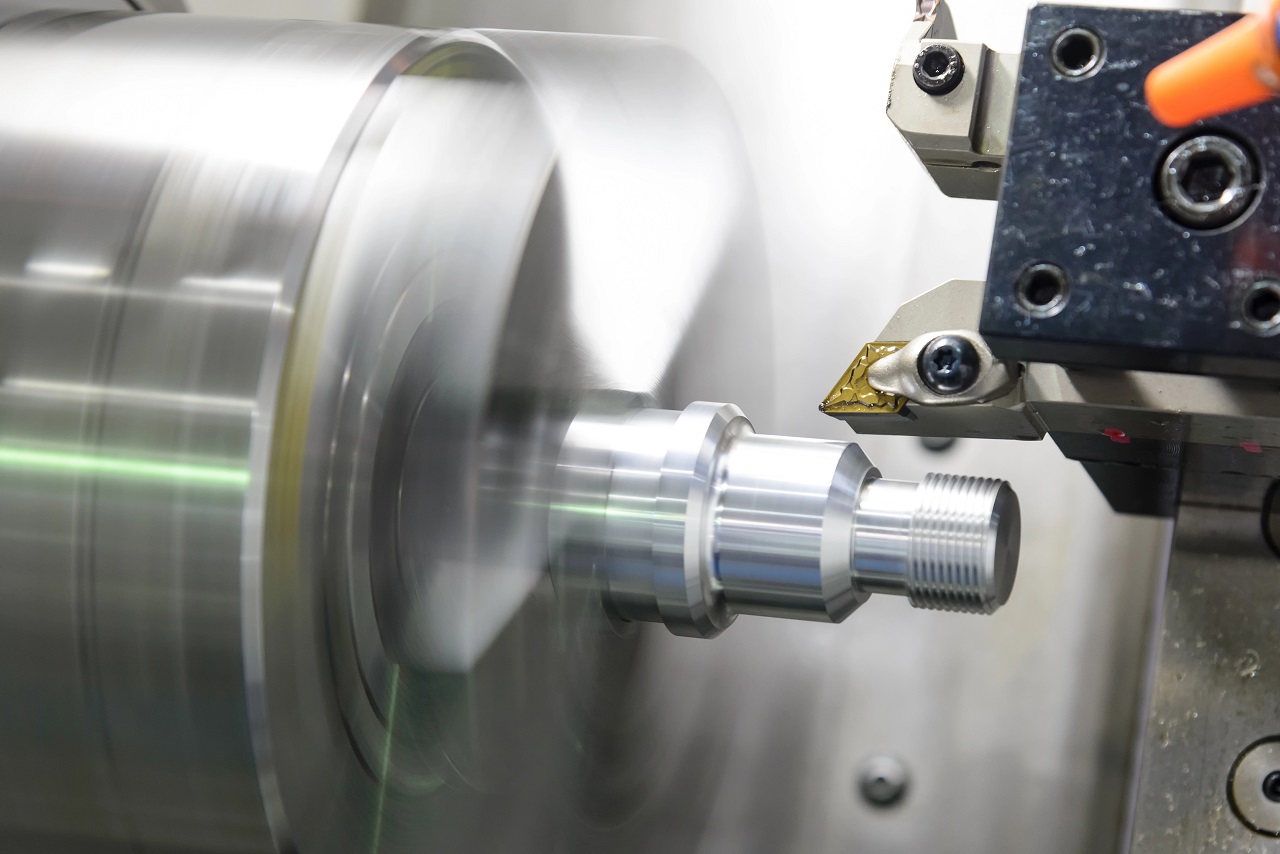
Turning insert shape
The shape of a turning insert determines how the tool comes into contact with the material and how the cutting force is distributed. Here are several popular shapes and their impact on machining:
- Square turning inserts: provide stability and are ideal for simple turning operations. They have a larger number of cutting edges, which allows them to be used multiple times. They are excellent for roughing, where high tool strength is required.
Triangular turning inserts: have three cutting edges, making them more economical. Ideal for precision operations where an accurate surface finish is required.
- Rhombic turning inserts: often used for external and internal turning. They provide a good balance between strength and cutting precision.
- Round turning inserts: ideal for complex shapes and surfaces. They disperse cutting forces over a larger area, reducing tool wear.
- Polygonal inserts, such as pentagonal or hexagonal inserts: are used for specialized machining where cutting in different directions is required. Ideal for multi-tasking machines.
Rake angle of a turning insert
The rake angle of a turning insert refers to the angle between the tool plane and the material surface. It affects how the material is cut and the quality of the resulting surface. Here is how different rake angles affect machining:
- Positive angle: makes cutting easier and reduces cutting forces. Ideal for machining soft and gummy materials, such as aluminum and copper. It reduces the risk of burrs and improves surface quality.
- Negative angle: Increases cutting edge strength. Better for machining hard materials, such as stainless steel and cast iron. It can cause higher cutting forces, but increases tool life.
- Turning tools: The choice of turning tools should be adapted to the type of operation (external, internal, profile turning) and the workpiece material.
- Turning holders: The stability of the turning holder affects vibration and cutting accuracy. Holders should be well matched to the tool and turning insert, ensuring firm clamping and minimizing play.
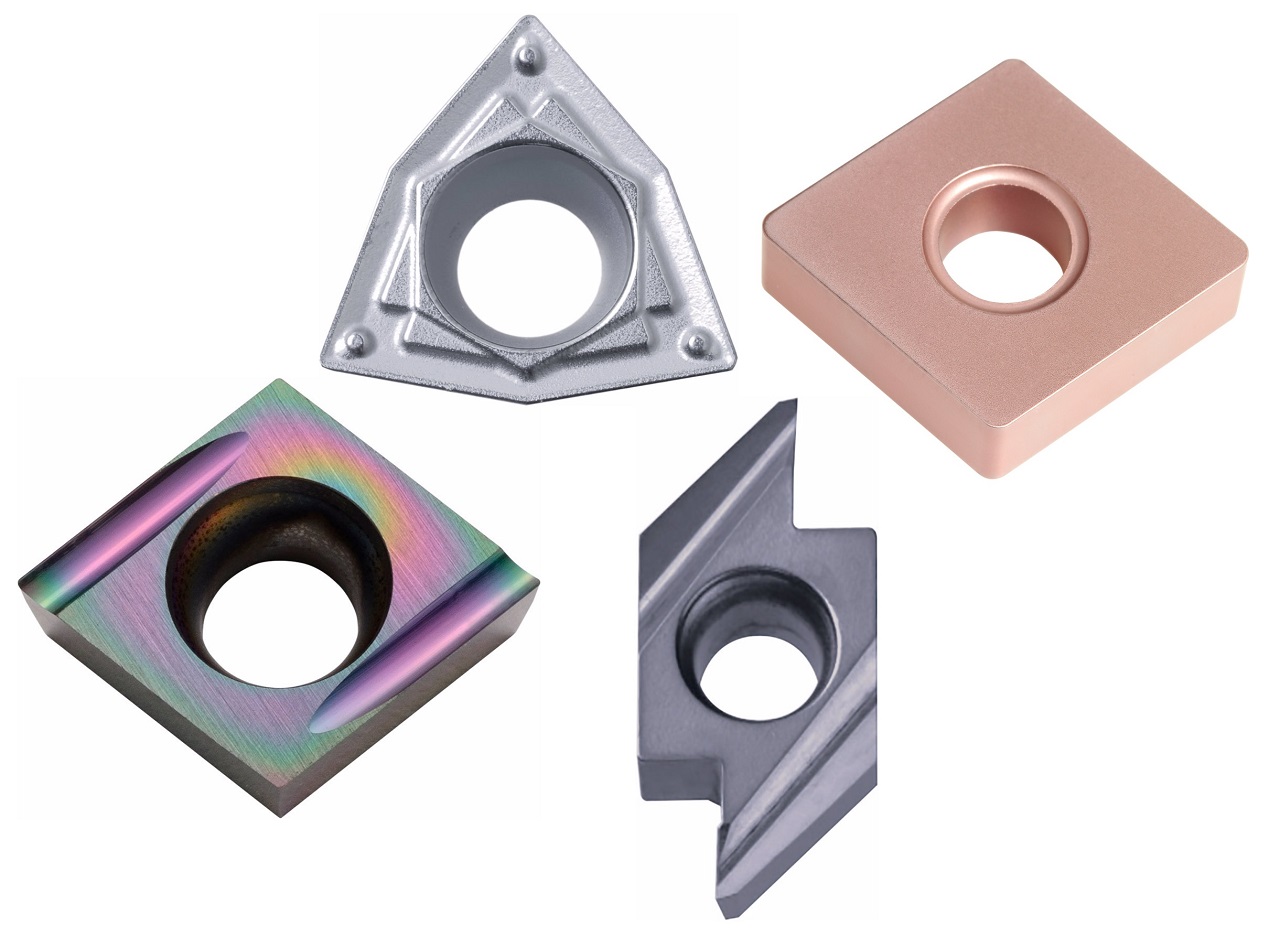
Using the right turning tools and holders
Choosing the right turning tools and turning holders is just as important as the geometry of the turning insert. The right cutting tools and holders can improve tool stability and machining precision, resulting in better surface quality and longer CNC tool life.
Turning insert geometry, including its shape and rake angle, has a key impact on machining quality and cutting tool performance. The right selection of insert, turning tools and turning holders makes it possible to optimize the CNC machining process, increase precision and improve surface quality. Understanding these relationships is essential for every company involved in CNC machining that aims to achieve the best results.