




Blog
Indexable turning tools: Secrets of longer service life
In the world of modern CNC tools, indexable turning tools are the foundation of efficient and precise machining. Their greatest advantage is the ability to quickly replace a worn cutting edge without replacing the entire tool. However, even the best tool will not work for long or efficiently without proper care. Correct setup, regular inspection, and simple maintenance are the key to making full use of the potential offered by turning inserts and complete holders.
At Technar, we specialize in supplying top-quality solutions for industry, from turning tools and milling cutters to specialist cutting inserts and CNC machine tooling. Contact our technical advisors from Warsaw, the Tri-City, Wroclaw, and other regions of Poland.
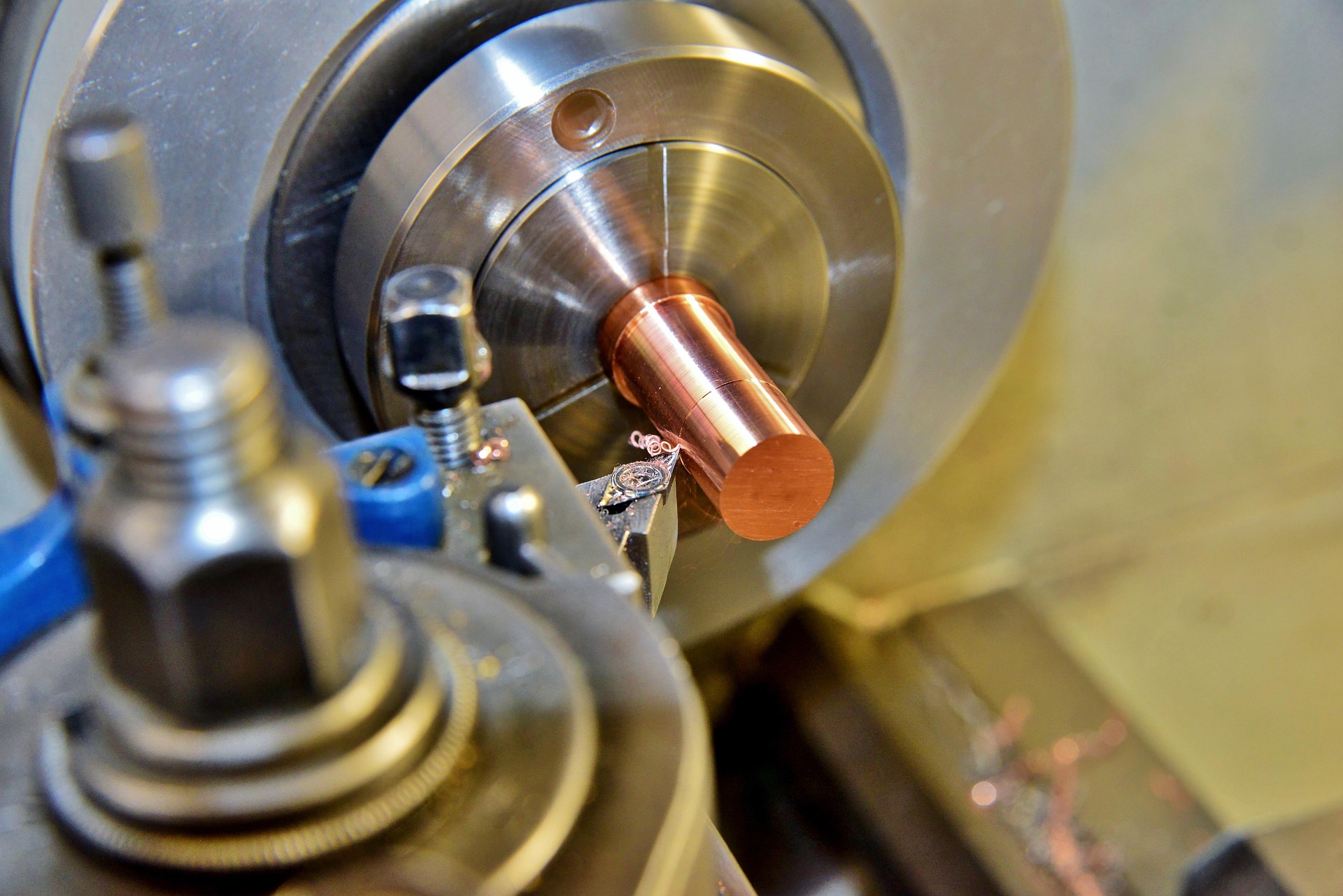
Step 1: Correct installation of the turning insert in the pocket
Everything starts with solid and precise clamping of the insert in the tool pocket. Mistakes made at this stage are the most common cause of premature wear or even damage to both the insert and the tool itself.
- Cleanliness is essential: Before installing a new insert, make sure the tool pocket is perfectly clean. Use compressed air or a brush to remove all chips, dust, and residues of old coolant. Even the smallest contamination can cause improper insert seating, leading to vibration and microcracks.
- Inspect the pocket and spare parts: Visually check the condition of the pocket and the clamping screw or lever. Any deformation, cracks, or worn threads qualify the component for replacement.
- Use a torque wrench: Every CNC tool manufacturer specifies the recommended tightening torque for the clamping screw. Using a torque wrench ensures that the insert is clamped firmly enough, but not too tightly. Insufficient tightening may cause it to loosen during operation, while overtightening may create stresses and damage the insert or screw.
- Correct seating: Make sure the insert sits perfectly against the support surfaces of the pocket. After lightly tightening it, gently move the insert to check whether it is stable, then tighten it to the recommended torque.
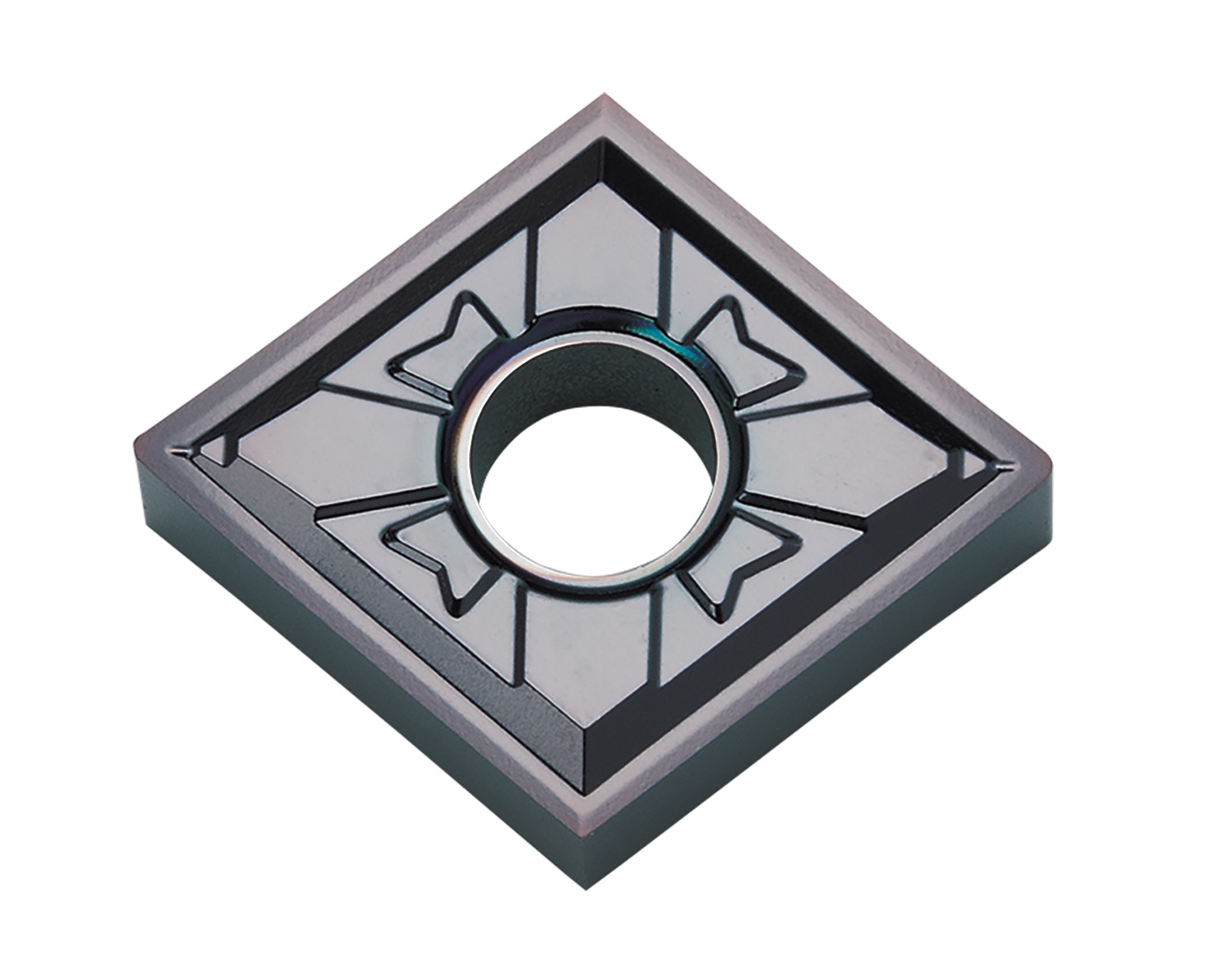
Step 2: Setting the tool in the machine
A correctly assembled tool still needs to be precisely set in the machine. Work with the tool post, turret, or other clamping systems is crucial here; these are often referred to as turning holders for tools.
- Center height: The tip of the insert cutting edge must be exactly on the spindle axis. Setting it too high or too low changes the cutting geometry, which negatively affects chip control, surface quality, and tool life. Use a measuring probe or proven workshop methods for precise setup.
- Clamping rigidity: The entire tool must be stably and rigidly clamped in the holder. Check that the contact surfaces are clean and tighten the clamping screws with the correct force. Any vibration at the holder-tool interface will be transferred to the cutting edge, drastically shortening its service life.
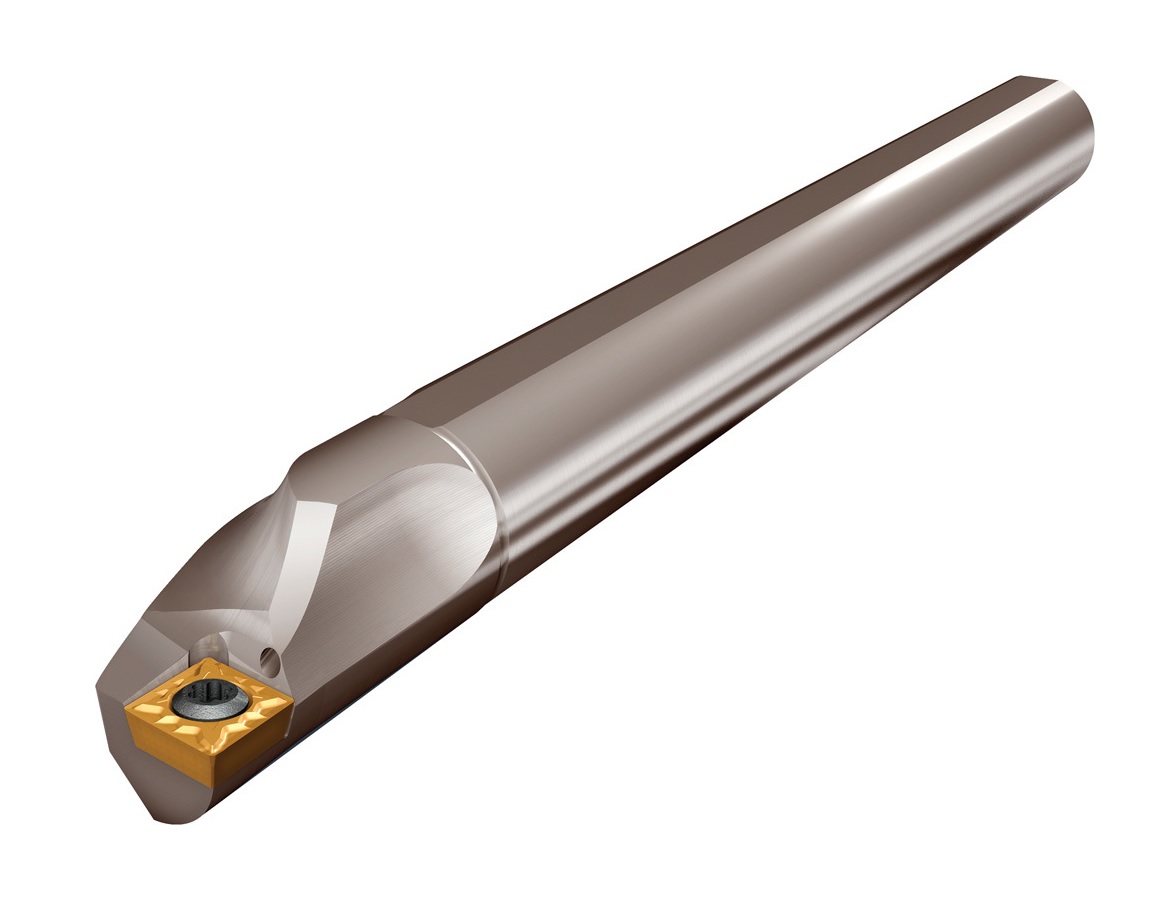
Step 3: Wear inspection: when to index or replace turning inserts?
Working with a worn cutting edge is uneconomical and unsafe. It increases cutting forces, worsens surface roughness, and may end with sudden insert fracture, risking damage to the workpiece and holder. Learn to recognize the first signs of wear:
- Flank wear: A shiny, worn band on the insert edge just below the cutting edge.
- Deterioration of surface quality: Visible scratches, color changes, or roughness changes on the workpiece.
- Change in chip shape: Chips become "ragged", change to a darker color, or instead of flowing smoothly, tangle around the tool.
- Increase in noise and vibration: Any change in the sound of machine operation should be a signal to inspect the tool condition.
Remember: Most turning inserts are multi-edge. Before discarding an insert, check whether you can index it to use another fresh cutting edge. This is a simple way to reduce tooling costs.
Step 4: Daily maintenance and storage
Good habits after finishing work pay off with longer tool life.
- Cleaning after work: After finishing a shift or production cycle, remove chips and coolant residues from tools and holders. Dried emulsion can lead to corrosion and problems with later assembly.
- Corrosion protection: If tools will not be used for a longer period, it is worth protecting them with a thin layer of preservative oil.
- Proper storage: Do not throw tools loosely into a drawer. Use dedicated cabinets, organizers, or original packaging. This protects not only the tools themselves from mechanical damage, but above all delicate and precise < href="/en/products/turning-tools/turning-inserts/#">turning inserts from chipping.
Summary
Caring for indexable turning tools is not an unnecessary waste of time, but an investment that pays back many times over. By remembering these simple rules, from pocket cleanliness and wear inspection to proper storage, you will ensure long and trouble-free operation for your CNC tools, which will directly translate into the quality of your products and the profitability of the entire production process.