




Blog
Application of solid end mills in machining difficult-to-machine materials
Machining difficult-to-machine materials, such as stainless steel, titanium, nickel, or composites, places exceptionally high demands on cutting tools. In such cases, solid end mills, made from a single piece of material, become the tool of first choice. Thanks to their strength, precision, and various geometry options, this type of CNC milling cutter handles the challenges posed by hard and difficult-to-machine materials perfectly.
Looking for the right milling tool or another type of CNC machining tool? We will help select the right products for your company's needs. Contact our representative.
What are solid end mills?
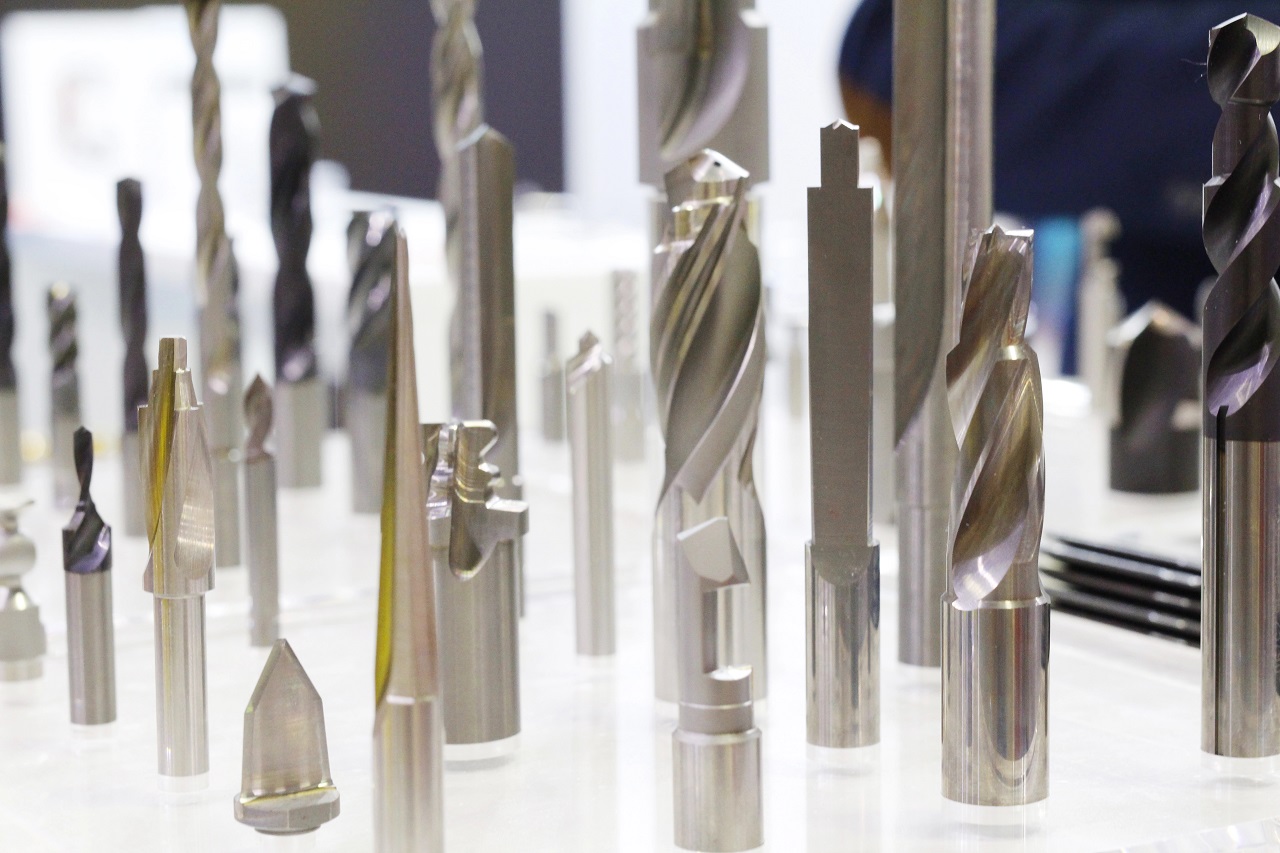
Solid end mills are tools made from a single piece of material, usually cemented carbide, which is characterized by high hardness and wear resistance. Unlike indexable milling cutters, which consist of replaceable milling inserts, solid end mills offer a uniform structure, which translates into greater stability during machining.
Why are solid end mills ideal for machining difficult-to-machine materials?
Difficult-to-machine materials are characterized by high hardness, high abrasion resistance, and the ability to maintain their mechanical properties at high temperatures. This requires tools that are not only durable, but also capable of maintaining cutting edge sharpness for a long time. Solid end mills meet these requirements perfectly for several reasons:
- High hardness: Mills, especially those made from cemented carbide, are characterized by exceptionally high hardness, which allows them to effectively resist wear even in difficult machining conditions.
- Dimensional stability: The uniform structure of a solid end mill ensures high dimensional stability, which is crucial in precision machining of difficult-to-machine materials, where any deviations can lead to defective products.
- Better chip control: solid tools offer various cutting edge geometry options that can be adapted for optimal chip control. When machining materials such as titanium or nickel alloys, chip control is crucial to preventing jamming and improving surface quality.
Specifics of machining different difficult-to-machine materials
Each difficult-to-machine material has unique characteristics that affect the choice of cutter geometry and machining parameters.
- Stainless steel: Stainless steel is a very popular material, but difficult to machine due to its tendency to work-harden and its low thermal conductivity. Solid end mills with a positive rake angle and a high helix angle are ideal for machining this material, providing better chip evacuation and reduced stresses on the cutting edge.
- Titanium: Titanium is known for its high strength-to-weight ratio, but it is also difficult to machine due to its toughness and tendency to cause rapid tool wear. Milling cutters with a rounded edge or chamfer and high-temperature-resistant coatings (e.g. TiAlN) perform excellently in such conditions, minimizing tool wear and improving finish quality.
- Nickel alloys (e.g. Inconel): Nickel alloys are extremely resistant to corrosion and high temperatures, but their machining can be difficult due to a tendency toward rapid tool wear and the generation of high temperatures. Solid end mills with specially designed cutting edge geometry and a low rake angle can minimize the work-hardening effect and improve tool life.
- Composites: Machining composites, especially carbon-fiber-reinforced ones, requires tools with a very sharp cutting edge to prevent delamination of the material. Solid end mills with sharp edges and suitable anti-adhesive coatings ensure precise machining without damaging the composite structure.
The importance of protective coatings in solid end mills
Protective coatings play a key role in extending the life of solid end mills during machining of difficult-to-machine materials. Coatings such as TiAlN (titanium aluminum nitride) or DLC (diamond-like coating) provide:
- Wear resistance: These coatings protect the cutter against abrasion, which is especially important when machining hard materials.
- High-temperature resistance: During machining of difficult-to-machine materials, high temperatures are generated that can accelerate wear of the CNC tool cutting edge. Coatings increase temperature resistance, enabling longer cutter operation without loss of its properties.
- Reduced friction: Coatings reduce friction between the cutter and the workpiece material, which translates into lower cutting forces and better surface quality.

Optimization of the machining process with solid end mills
To fully use the potential of solid end mills in machining difficult-to-machine materials, several key principles should be kept in mind:
- Selection of appropriate cutting parameters: Low spindle speeds and moderate feeds are often more effective when machining materials such as titanium or nickel alloys, in order to avoid excessive tool heating.
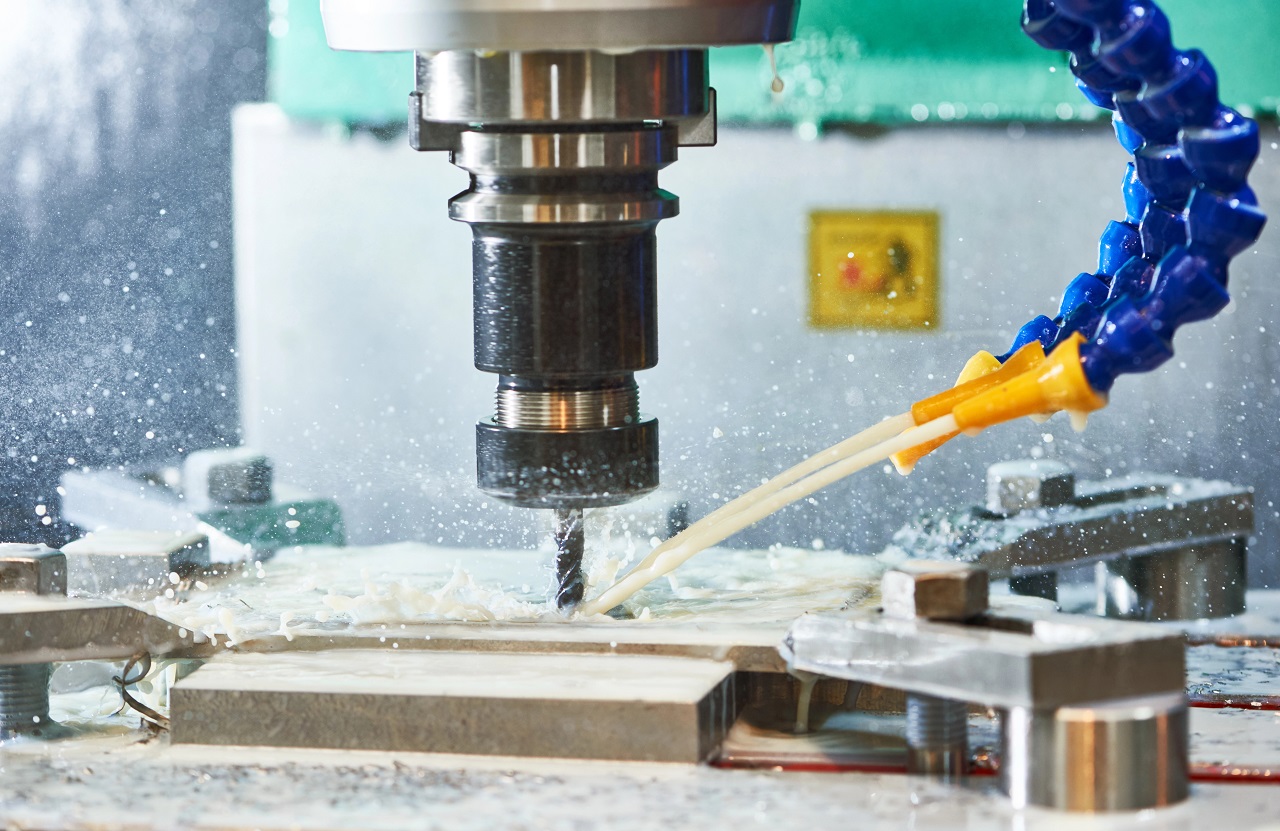
- Cooling: Proper cooling is crucial, especially when machining materials that generate a lot of heat. Using the right coolant for a CNC machine tool can significantly extend tool life.
- Regular maintenance of CNC tools: Regular monitoring and sharpening of solid end mills is essential to maintain their optimal performance throughout their service life.
Summary
Solid end mills are an indispensable tool in machining difficult-to-machine materials. Thanks to their strength, precision, and wide range of available geometries, they can meet the most demanding tasks while ensuring high surface finish quality and long tool life. Choosing the right cutter, adjusting machining parameters, and applying suitable protective coatings are key success factors in machining hard and difficult-to-cut materials.