




Blog
How to ensure a long service life for cutting tools?
CNC machine tools are now widely used in industry for precise material machining. Efficient, high-quality cutting tools used on these machines are essential for maintaining production efficiency. Due to their cost and importance, it is important to maximize their service life. In this article, we present best practices for maintaining, handling and storing machining tools used on CNC machine tools.
Are you looking for cutting tools that will be the optimal choice for your company? We offer cutting inserts, lathe tools, drills and many other tools necessary for efficient machining on CNC machine tools. We invite you to contact us.
Choosing the right tools
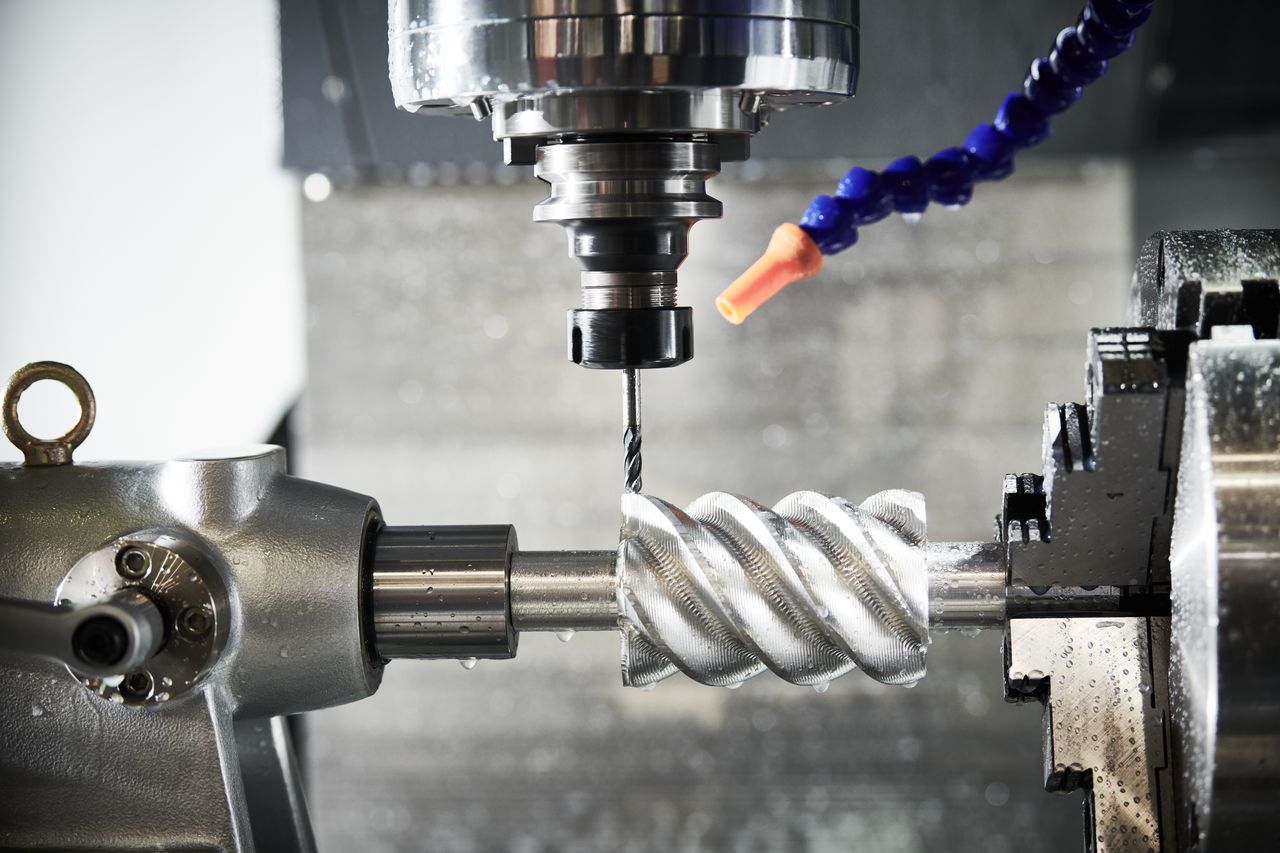
The first step is to choose tools made from suitable materials and matched to the type of raw material being machined. For example, carbide tools are excellent for machining hard metals, while high-speed steel is ideal for softer materials. Tool geometry, including rake angle, clearance angle and cutting edge shape, should be precisely adapted to the specific requirements of the cutting operation, which reduces cutting forces and tool wear. Before deciding on tool selection, it is important to understand the process requirements, and sometimes consultation with machining experts may be useful.
Taking care of machining parameters
The selection of appropriate cutting parameters is crucial not only for achieving optimal machining results, but also for extending the service life of the working parts of our tools. Optimal parameters such as rotational speed, feed and depth of cut should be carefully adapted to the type of material being machined, tool geometry and working conditions. Overly aggressive settings can lead to excessive tool wear, increased temperature and shortened tool life. On the other hand, overly conservative parameters can lead to poor machining quality and inefficient tool use. Therefore, continuous monitoring and optimization of cutting parameters are key to keeping tools in optimal condition and ensuring an efficient and trouble-free machining process. Regular analysis and adjustment of cutting parameters based on experience and data on the wear of our tools allows the production process efficiency to be optimized and the service life of cutting edges to be significantly extended.
Using good coolant for machining
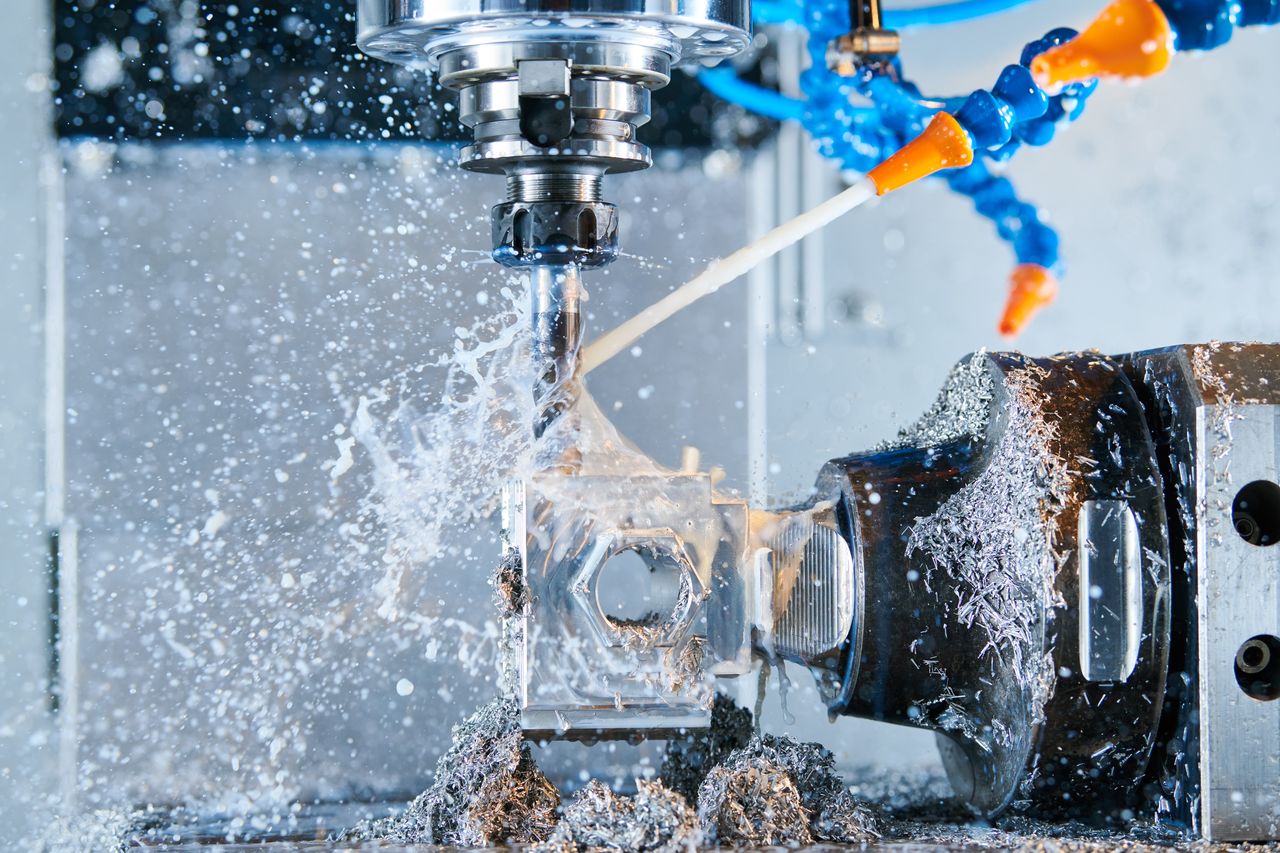
Coolant performs several key functions during the cutting process, including cooling the tool and workpiece material, lubrication and chip removal. A well-selected coolant helps reduce tool temperature, which lowers the risk of overheating and reduces tool wear. In addition, the right coolant can significantly improve machining quality by eliminating the risk of burrs or irregularities on machined surfaces. It is also important to choose coolants that are compatible with the workpiece material and tools to avoid corrosion and other negative effects on tools and machine tools. Therefore, selecting the right coolant and using it properly are essential for efficient machining and extending tool life.
Proper storage of cutting tools
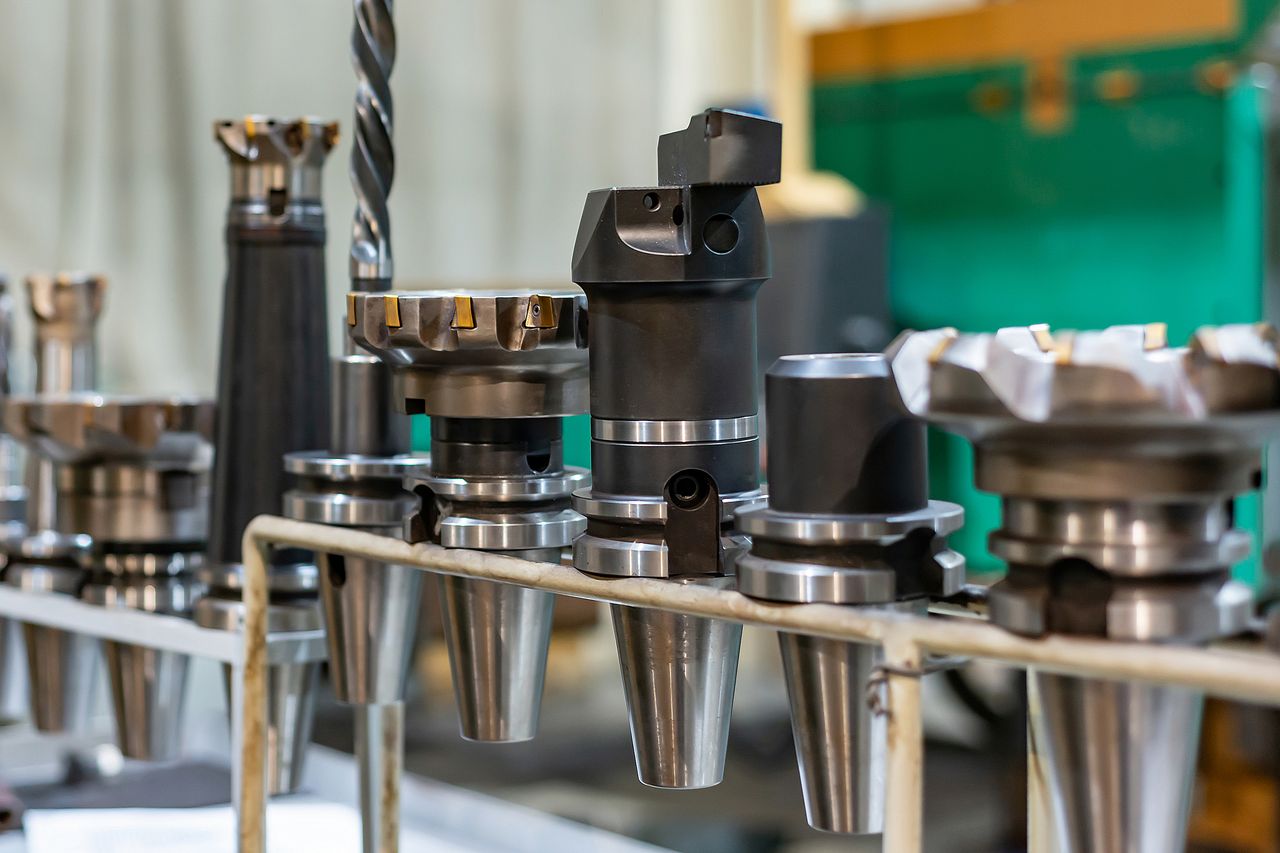
Storage conditions for cutting tools are extremely important for maintaining their quality and performance. Tools should be stored in a dry, clean and well-ventilated place to prevent corrosion and mechanical damage. It is also worth avoiding extreme temperature conditions, which can adversely affect the properties of the materials from which the tools are made. It is also important to ensure a proper tool organization system to avoid accidental damage during storage and to make it easier to quickly and efficiently find the required tool when working.
Sharpening and reconditioning
Tools subject to sharpening may include various types of cutting inserts, drills, milling cutters, lathe tools, as well as tools for thread machining and milling. Sharpening is necessary when a tool loses its sharpness due to normal wear during work. Reconditioning CNC tools is a more comprehensive process that involves restoring the entire tool to its original or near-original condition. In the case of tools whose cutting edge or other parts have been damaged, reconditioning may include repair, resharpening and even replacement of damaged components.
Summary
Caring for cutting tools on CNC machine tools requires a systematic approach. This includes selecting the right tools, regular sharpening, proper storage, lubrication and monitoring their condition. Investing in these practices will bring long-term benefits, such as reduced tool replacement costs, improved machining quality and increased work efficiency. Well-maintained tools are the key to success in any machining process in a manufacturing plant.