




Blog
Abrasive Tools in CNC Machining: Resin-Bonded, Vitrified, and Semi-Flexible - Which Should You Choose for Your Production?
CNC machining is a process that requires precision and advanced technologies, especially in the context of finishing part surfaces. Abrasive tools such as grinding wheels play a key role in ensuring proper surface quality, tool durability, and production efficiency. Choosing the right type of abrasive tools depends on the machined material, required precision, and the specifics of the given technological process. In this article, we will look at three main types of abrasive tools: resin-bonded abrasive tools, vitrified-bonded abrasive tools, and semi-flexible abrasive tools.
We offer high-quality Andre grinding wheels of various types - mounted points, disc wheels, flap wheels, and many others. Check our range of abrasive tools and contact us.
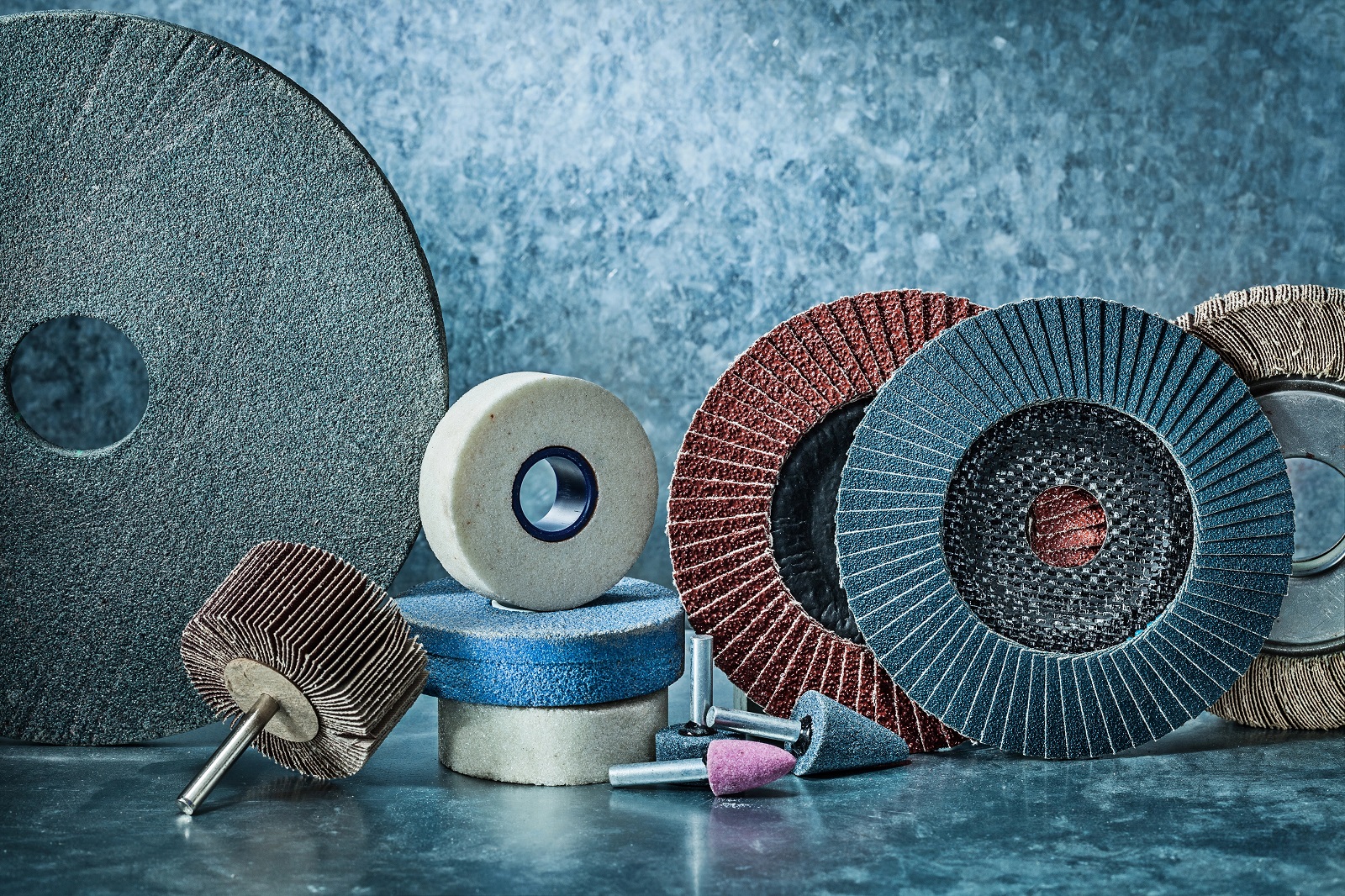
Resin-Bonded Abrasive Tools
Resin-bonded abrasive tools are among the most commonly used tools in CNC machining processes. The resin bond, most often epoxy or phenolic, provides high flexibility and tool stability during work. Thanks to their structure, grinding wheels of this type are characterized by a good ability to abrade material evenly, which results in a smooth and accurate surface.
Advantages:
- Flexibility - Resin tools work perfectly in machining materials of varied hardness, such as stainless steel, aluminum, or composites.
- Excellent abrasive properties - Thanks to a selected combination of abrasive grain and bond, resin grinding wheels achieve high performance with minimal material consumption.
- High impact resistance - These tools handle machining high-hardness materials, offering strength and reliability.
Application:
- Machining metal parts, including steel and aluminum alloys
- Grinding surfaces requiring medium precision
- Work in the automotive and aerospace industries
Vitrified-Bonded Abrasive Tools
Compared to a resin bond, a vitrified bond is characterized by higher hardness and resistance to high temperatures. Grinding wheels of this type are used primarily for machining hard materials such as hardened steel, cast iron, or composite materials. Thanks to their ceramic structure, these tools are exceptionally durable and long-lasting, making them an ideal choice for demanding machining processes.
Advantages:
- High temperature resistance - Ceramic tools perform well in high-temperature conditions, making them an ideal choice for intensive machining processes.
- Long service life - Due to the hardness of the material, ceramic tools are more durable and wear-resistant, allowing longer working time without replacement.
- Precision - ceramic grinding wheels provide very high grinding accuracy, making them perfectly suited for machining parts requiring high precision.
Application:
- Machining hard metal alloys (e.g. hardened steel, tool steel)
- Grinding composite materials and high-hardness materials
- In the toolmaking and aerospace industries
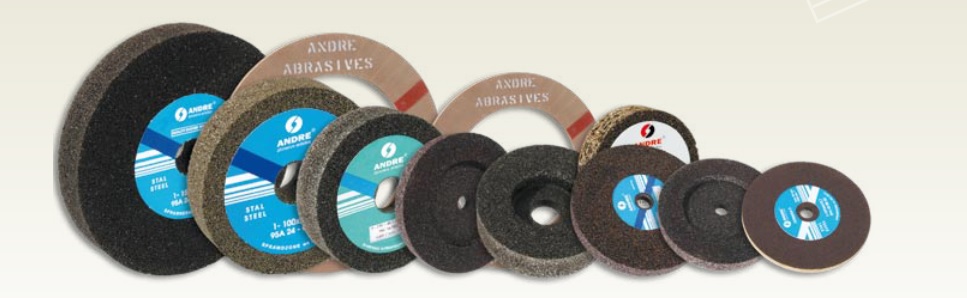
Semi-Flexible Grinding Wheels
Semi-flexible abrasive tools are specialized tools that combine the properties of rigid tools with flexible features. Thanks to the use of unique bonds that provide a balance between rigidity and flexibility, these tools offer an exceptional ability to work in difficult conditions. They often use a combination of materials such as rubber, plastics, and resins, which allows excellent results to be achieved when machining complex shapes.
Advantages:
- Versatility - Semi-flexible tools work well across a wide range of materials, including machining difficult geometries and irregular surfaces.
- Ability to work in difficult conditions - Thanks to their flexibility, these tools can adapt to the shape of the machined part, ensuring even abrasion.
- Reduced risk of part damage - Tool flexibility reduces the risk of damaging the material surface, which is especially important when machining delicate materials.
Application:
- Machining parts with complex shapes
- Grinding and polishing surfaces requiring precise fitting
- Work in the jewelry, automotive, and aerospace industries
Summary
Choosing the right abrasive tools in CNC machining is crucial for the quality of manufactured parts and the efficiency of the entire production process. Resin-bonded, vitrified-bonded, and semi-flexible abrasive tools offer different properties that can be adapted to specific needs depending on the machined material, required precision, and working conditions.
- Resin-bonded abrasive tools are an ideal choice for machining medium-hardness materials, providing good performance and flexibility.
- Vitrified-bonded abrasive tools are characterized by strength and resistance to high temperatures, performing excellently in machining hard materials.
- Semi-flexible abrasive tools, on the other hand, offer a unique combination of rigidity and flexibility, making them an excellent solution for precision machining of parts with complex shapes.
The choice of tools depends on many factors, but understanding their properties and applications allows an informed decision to be made, contributing to the success of any machining and production process in CNC technology.