




Blog
Turning tools and machining efficiency - what should you look for when buying?
Turning tools are essential tools used in machining, with a direct impact on the quality, precision, and efficiency of the turning process. Choosing the right turning tools and using them properly can significantly increase production efficiency and reduce tooling costs.
Need help selecting cutting tools? Please contact us; we provide expert advice and offer a wide range of CNC equipment and tooling. Check the tool catalogs from renowned manufacturers.
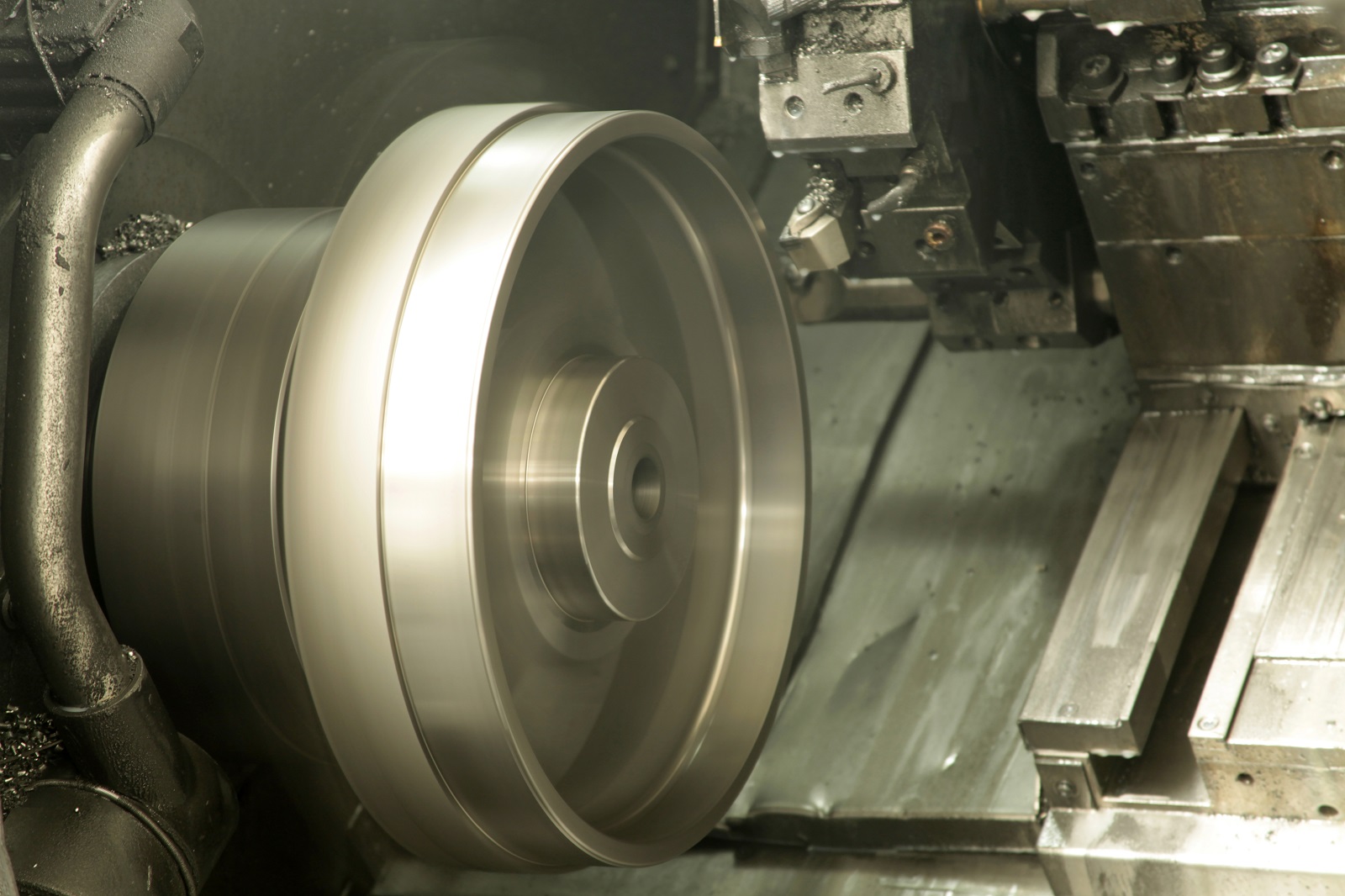
Types of turning tools and their applications
Various types of turning tools are available on the market, and their selection should depend on the type of machining being performed and the workpiece material.
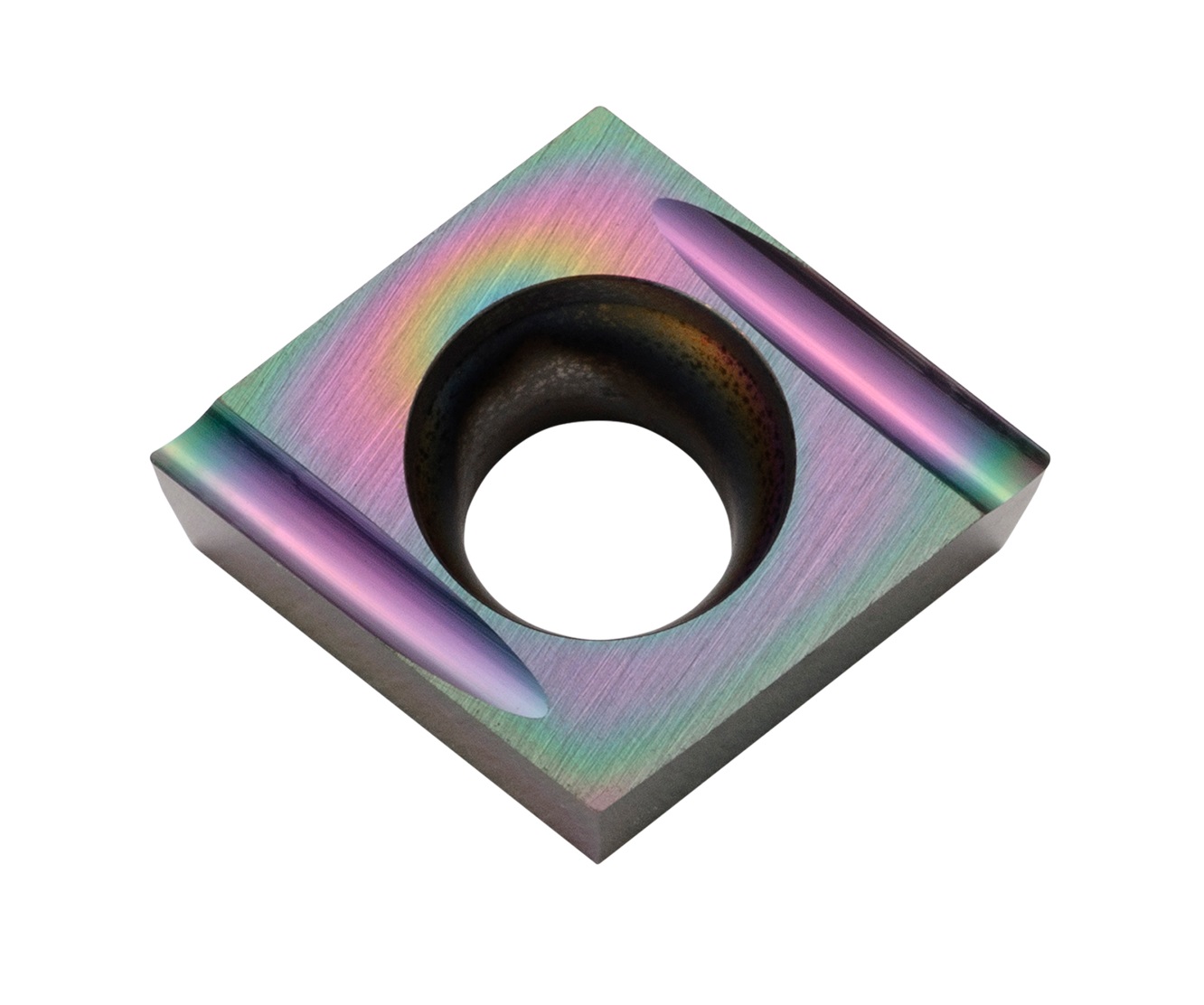
- Indexable turning tools - consist of a body and a replaceable cutting insert, allowing the tool to be quickly adapted to different working conditions and reducing operating costs. They are an ideal solution for machining hard metals and precision turning.
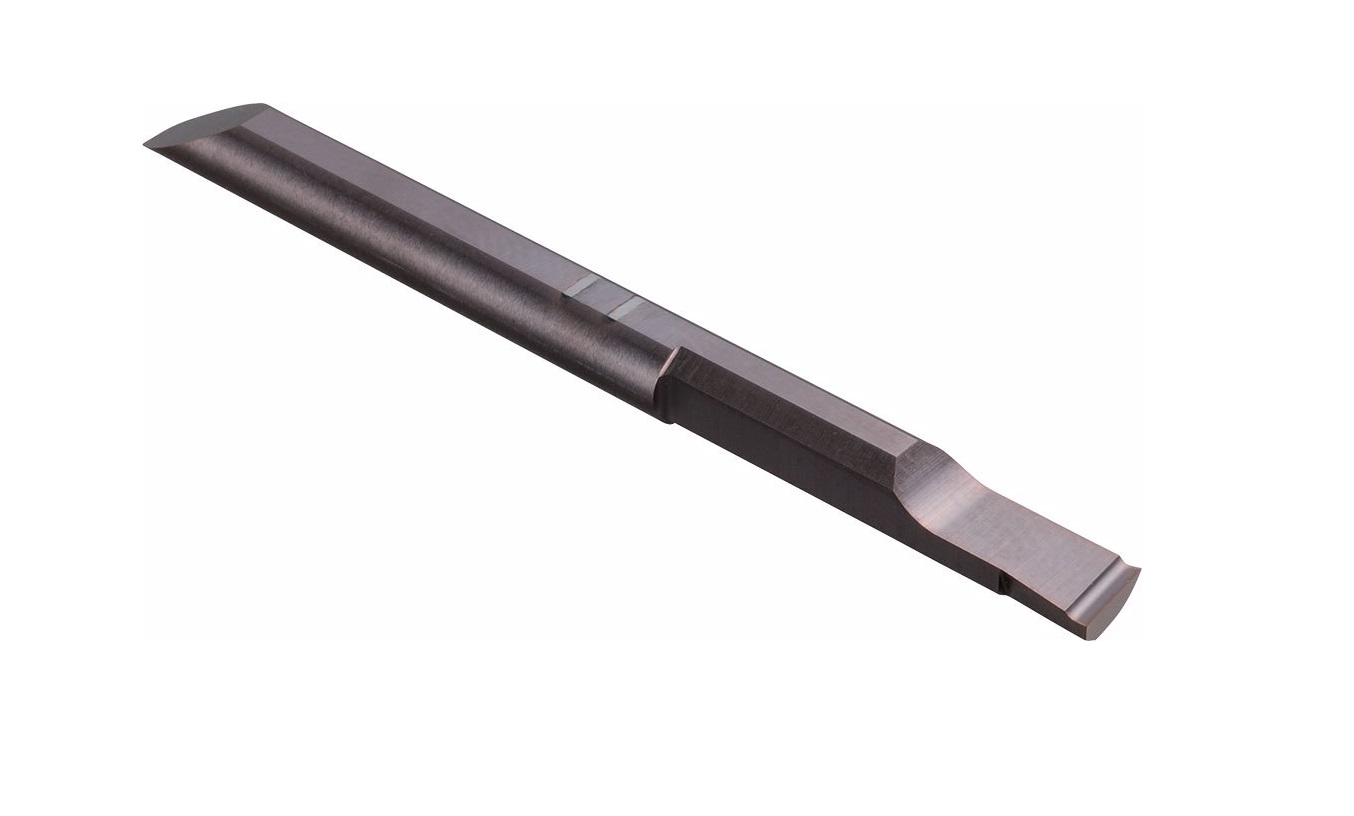
- Solid turning tools - made from a single material (e.g. carbide). They are highly durable, but once dulled they require sharpening or replacement.
- External and internal turning tools - selecting the right tool type is crucial for machining quality. Internal turning tools must be sufficiently slim to fit inside the bore of the workpiece.
Key features of good turning tools
When choosing turning tools for machining, it is worth paying attention to several important aspects. Properly selected CNC tools make it possible to increase machining precision, extend tool life, and reduce operating costs.
Cutting edge material
Turning tools can be made from various materials, which directly affects their durability and ability to work at high temperatures:
- High-speed steel (HSS) - used mainly for machining soft metals and alloys. It has good impact resistance, but is less durable at high temperatures.
- Carbide (HM) - one of the most popular solutions used in modern CNC tools, characterized by high resistance to wear and temperature.
- Ceramics and CBN (cubic boron nitride) - used in the machining of cast iron and hardened materials where exceptional temperature resistance is required.
- Polycrystalline diamond (PCD) - the best solution for machining aluminum, copper, and other non-ferrous metals.
Cutting edge geometry
Every CNC tool should have properly selected cutting edge geometry, which affects cutting quality:
- Rake angle - determines how the tool cutting edge engages the material; a large angle improves cutting quality in soft materials, while a smaller angle increases tool life in hard materials.
- Clearance angle - affects friction between the tool and the machined surface. Too large an angle can cause excessive cutting edge wear.
- Nose radius - a larger radius provides longer tool life, while a smaller one increases machining precision.
Protective coating
Protective coatings on turning tools are designed to reduce friction, improve resistance to high temperatures, and extend cutting edge life. The most commonly used coatings in modern CNC tools are:
- TiN (titanium nitride) - increases wear resistance, reduces friction, and improves heat dissipation.
- TiAlN (titanium aluminum nitride) - improves resistance to high temperatures, ideal for machining stainless steels.
- DLC (diamond-like carbon coating) - reduces friction and prevents material from adhering to the cutting edge, especially useful when machining aluminum and copper.
Type of clamping
When choosing turning tools, attention should be paid to how the tool is clamped in the lathe holder. A popular solution in CNC tools is indexable turning tools, which have replaceable turning inserts. This allows quick replacement of a worn insert without changing the entire tool, significantly increasing work efficiency.
Good CNC tools are the key to efficient and precise machining. The choice of the right turning tools depends on the type of material being machined, cutting edge geometry, protective coating, and clamping method. By investing in high-quality tools, production costs can be significantly reduced and equipment life increased.
How to choose turning tools for the workpiece material?
Not every turning tool is suitable for every material. When selecting one, it is worth following these rules:
- Stainless steel - requires carbide tools with a positive rake angle and coatings that increase wear resistance.
- Cast iron - tools with high impact resistance work best, e.g. ceramic tools or uncoated tools, because cast iron tends to break chips.
- Non-ferrous metals (e.g. aluminum, copper) - tools with a large rake angle and smooth coatings that prevent material adhesion are used for machining them.
- Hardened steels and superalloys - require tools with increased temperature resistance, e.g. coated with TiAlN or made from polycrystalline diamond (PCD).
Maintenance and use of turning tools
To extend the life of turning tools and ensure high machining quality, it is worth following several rules:
- Regular replacement of cutting inserts - in indexable turning tools, the condition of inserts should be checked systematically and they should be replaced when they start to lose sharpness.
- Optimal cutting parameters - selecting the right rotational speed, feed, and depth of cut helps minimize tool wear.
- Use of appropriate cooling - coolant reduces the temperature in the cutting zone, preventing premature tool wear and improving surface quality.
- Proper tool clamping - stable clamping of the tool and a properly selected turning holder eliminate vibration and improve machining precision.
Summary
Turning tools are crucial to machining efficiency. When choosing the right type of tool, attention should be paid to the cutting edge material, geometry, protective coating, and clamping method. Indexable turning tools with replaceable inserts for a milling cutter head provide high flexibility and economical use. Proper maintenance and the use of appropriate cutting parameters will maximize tool life and improve machining quality.